
Psychology of immigration: how to deal with the stress of moving to Luxembourg


Psychotherapy is not a fashion or a trend. It is an urgent need in today's society. When stress levels reach critical levels, hidden problems that we may not have been aware of or paid attention to come to light.
How the outbreak of war changed the demand for therapy
I can't say that there were many more requests after the war started. The main increase came from COVID. In terms of numbers, it would probably be easier. I used to have a 20-hour practice a week, but now it's up to 35-40 hours. That's almost double.
Most of my clients, probably 98%, are Ukrainians. Including those who moved to Luxembourg. There are also people from other countries: North America, South America, Europe, Australia and New Zealand.
Another part of my practice is working with teenagers. In the last year, their number has increased significantly. This is due to the stress in general. Most of the requests are for help with adaptation and depressive disorders: homesickness, missing friends, missing the familiar way of life.
There is also the impact of parental stress. Children are more sensitive to things like moving or losing a job. Adults adapt more easily. They are more likely to work, they have a more established social circle. In addition, they have access to forms of entertainment that children don't have. Children in general have very limited opportunities.
What do people ask for most often
People's requests have not changed much in recent years. The paradoxical thing is that when people's stress levels reach a critical point, the problems that they had before — with work, with family, with friends, with relationships — get worse. This is true for those who have simply moved to another country as well as for those who have fled, for example, from a war.
Added to this is the inability to plan one's life. Not knowing what to do next. These are still depressive states and anxiety-depressive disorders.

Anxiety-depressive disorders and depression are not the same. In anxiety-depressive disorders, there are problems with sleep. For example, a person may not be able to fall asleep at all or may wake up in the middle of the night. He is overwhelmed by thoughts. He cannot get rid of them. Of course, with an increase in anxiety, the somatic condition worsens. If there were any psychosomatic moments, they are now actively manifested.
Women get gynaecological and stomach problems. But in general, anxiety can develop into panic attacks.
A panic attack is a lot like a heart attack. People go to cardiologists and they can't help. There's nothing wrong with the heart, no abnormalities. And I am very grateful to specialists for explaining that panic attacks are not treated with pills for heart and blood vessels, you need to go to a session of psychotherapy.
But what are people doing? They want a pill to make it go away and get rid of it quickly. I'm often paired with gynaecologists, endocrinologists, and gastroenterologists. These are the doctors who bear the greatest brunt of the side effects of constant anxiety. They refer people directly to therapy. Not even to a neurologist, but to a therapist.
I love medicine, and I'm always trying to convince my clients not to ignore their physical condition. Have them take vitamins, magnesium and exercise.
A healthy body is a healthy mind. This is more important today than ever before.
The body is a holistic system. It is constantly carrying our psycho-emotional load. Therefore, it is always necessary to work in a complex way — from both the psychological and physical sides.
Depression is a different condition, although it is similar in some ways. First, there are no disturbing anxious thoughts. Second, it is a state of imaginary calm. A person's activity slows down. He is not happy about anything: he does not want to see his friends, he does not want to do his hobby, and he does not want anything at all. Sometimes he just sleeps all the time, or on the other hand, he almost can't sleep.
An imbalance in the body's higher hormones causes depression. The imbalance can be so severe that some of the hormones in the body simply stop being produced. Clinical depression is a disease that is treated with medication by a psychiatrist.
And while an anxiety-depressive disorder and depression are two different things, it's easy to slip into depression if you don't deal with your condition for a long period of time.
If you feel you need help, don't hesitate.
The emergency number in Luxembourg is 112. You can also receive emergency care in Luxembourg's hospitals or go to one of the on-call medical centres (Maisons Médicales).
Helplines:
- SOS Distress — a general crisis line for people who need help or are suicidal. Phone: 45 45 45 45 (open from 11:00 a.m. to 11:00 p.m., until 3:00 a.m. on Fridays and Saturdays).
- Kanner-Jugendtelefon — crisis line for children and teenagers. Call: 116 111.
- Femmes en Détresse — crisis hotline for women. Call: 12344.
- Domestic violence hotline - 2060 1060 (weekends from 12:00 a.m. to 8:00 p.m.).
Some of these lines may not have English-language versions. You may need a French or German translator.
What is the difference between a psychiatrist and a psychotherapist
A psychiatrist is a doctor. A person with a medical degree who treats illness. In most cases, this involves medications to help balance the hormones and neurotransmitters of the higher nervous system. They also treat pathological disorders that require hospitalization, such as schizophrenia or epilepsy.
A psychotherapist is most often a liberal arts speciality. These specialists deal with the mental state of conditionally healthy people. But there are often times when we work in pairs.
For example, a psychiatrist prescribes pills for clinical depression, but at the same time, he sends you to therapy. Because if a person has reached such a state, it means that something is wrong in his life. And in the sessions, we try to get to the bottom of it and correct it.
The most common problems people have are related to shame, guilt, and fear. These are the three emotions that will lead to the therapist's office.
When to seek help
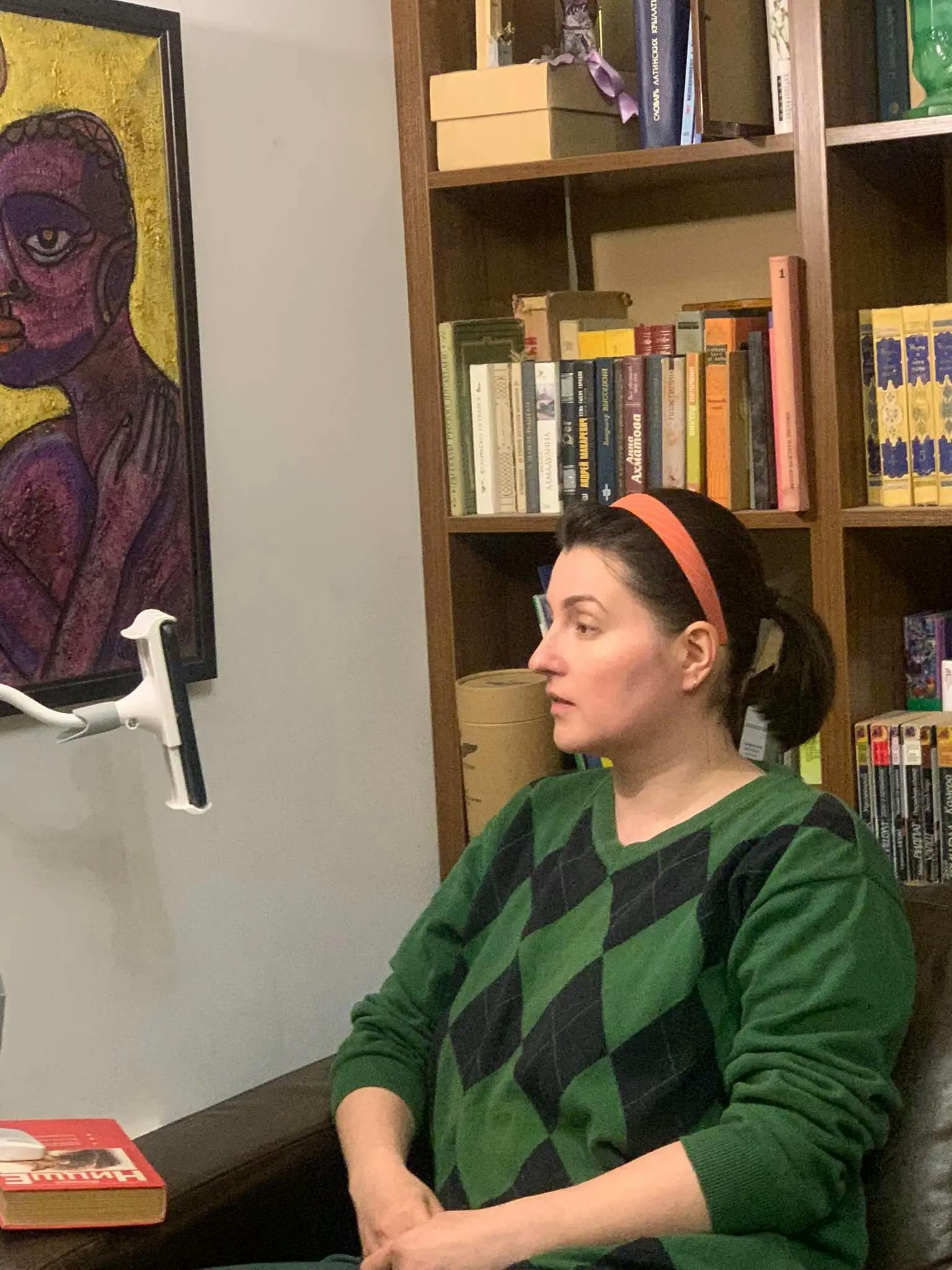
If a person is aware that he or she has a problem — that's already half the battle. Once a person has an understanding of what the root of the problem is, he has a solution. These days, even small problems can be dealt with by people on their own. This is due to a large extent to the fact that there is a lot of open information available now.
Even on social media, Instagram, TikTok, you can find videos of people talking about how to deal with anxiety.
But you have to be careful. The Internet is very big and not all information is reliable. Sometimes it is worth checking the background of a person who tells you psychotherapeutic or medical things.
If he's a doctor, he has the training, practice, and some merit, that's one thing. But if a person has been working as a salesman for 10 years and is now telling you about Gestalt therapy, having taken courses, you should think about whether you should trust his words completely.
Nevertheless, there are many exercises in the public domain that help in this or that situation. You can find them, figure out what works for you, and start practising. It helps.
Here's some advice, not from psychology, but from my great-grandmother: "You can talk to others any way you want, but you have no right to lie to yourself". If a person can avoid lying to himself, then he can handle the problem himself.
Is it possible to get people to stop self-diagnosing?
That's a good question. It seems to me that the first thing we need to do is to increase the amount of information in the public domain. Thanks also to the doctors who explain what to do and how to do it.
In addition, we need to help people change their perception of therapy. This is especially true in the CIS countries. Many people still see going to a psychiatrist or psychotherapist as a punitive measure. Unfortunately, this is a legacy of the Soviet Union. Back then, if you went to a psychiatrist, if you were registered, that was it — you could end your career and your person.
I spent a lot of time explaining to people what therapy is and how it differs from psychiatry. The good thing is that the younger generations now have a positive attitude towards such sessions. Often teenagers ask their parents to take them to therapy, and their elders resent them: "Why do you need it?"
How to deal with sadness when you are immigrating
It is possible and necessary to work with emotions and experiences. Here is a short list of recommendations on how to do this:
- Find new friends
Meet, befriend, and yearn together. A circle of "your own" is what reduces anxiety. Again, speaking the language in which you think and feel is very important. You will be understood without having to translate, and these are people who are going through something similar.
- Explore the country, don't miss the opportunity
Learn new things about the culture, customs, history, language, places, and people. For the brain, new information is a high and a pleasure. That's why IT professionals who stay home and don't see their country are more likely to have emotional problems.
- Engage in a common activity
Not beadwork, of course, but dancing, and volleyball. The main thing is not to shut yourself off, to give your energy an outflow.
You can also find out more about health care in Luxembourg and other important topics in the Knowledge Library:
Share your stories with us. If you would like to tell us about moving to Luxembourg and about life here, please write to our editors via Telegram or email editorial@luxtoday.lu. One person's experience can help many.