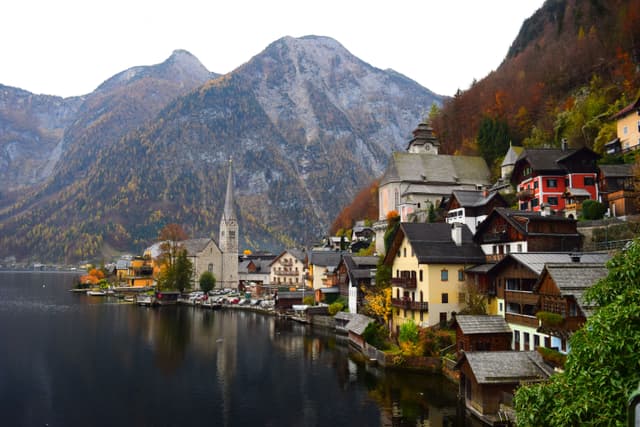
The Port of Mertert has run aground
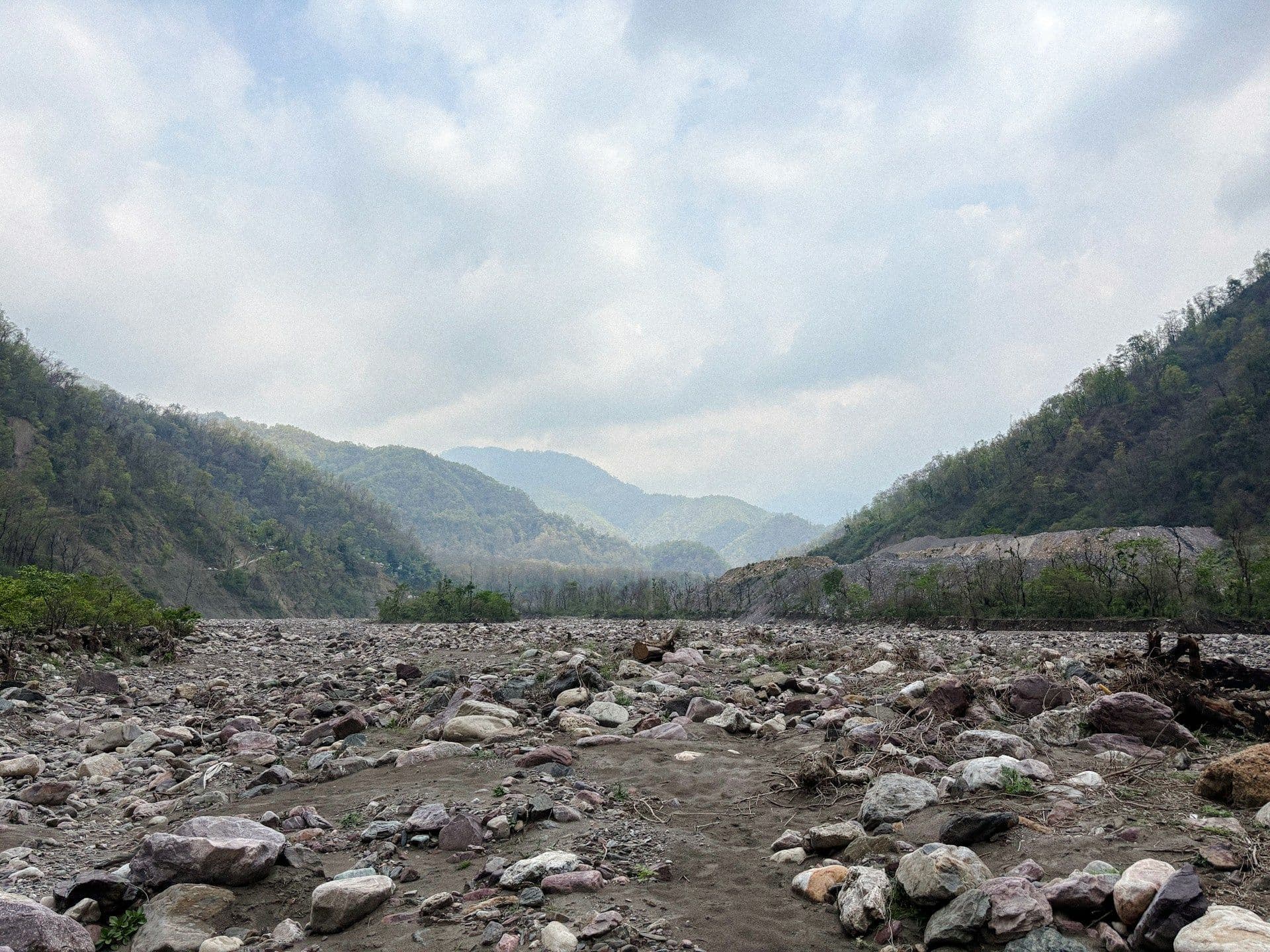
Pramod Tiwari, Unsplash
Extreme heat and a lack of rainfall have caused a significant drop in water levels in Europe’s major rivers, including the Loire, the Po and the Danube. A similar situation has arisen on the Rhine, where a record low water level was recorded as early as the beginning of August, rather than at the end of summer or in autumn, as had been the case in previous years. Near the German town of Bingen, the depth of the navigable channel has fallen below 1.40 metres in some sections. As a result, large cargo ships, houseboats and tourist boats heading for the Lorelei rock have been forced to remain moored for more than ten days, although the ferry service to the town of Rüdesheim is still operating.
The crisis on the Rhine has had a direct impact on shipping on the Moselle and operations at the port of Mertert in Luxembourg. Unlike the Moselle, where water levels are partly controlled by a system of locks, the 700-kilometre stretch of the Rhine between Rotterdam and Basel lacks such infrastructure. As Gilles Braquet, CEO of the operator Luxport, notes, vessels currently arriving at the port can utilise only 25–30 per cent of their carrying capacity. Ships capable of carrying up to 2,000 tonnes of petroleum products, sand, fertilisers and steel are currently being loaded with only 450–500 tonnes. A further six vessels with reduced cargo volumes are expected to arrive at the port by the end of the week, whilst the transport of the remaining consignments will have to be rescheduled.
To mitigate the impact of the crisis, the port is capitalising on its trimodal infrastructure by diverting cargo from waterborne transport to rail and road. However, Gilles Braquet warns that mobilising a sufficient number of lorries and rail wagons to compensate for the idle fleet poses a serious challenge. When loads are below 400 tonnes, waterborne transport ceases to be economically viable, whilst a prolonged period of low water levels threatens to disrupt the entire logistics chain. These developments are already affecting the supply of sensitive goods such as petroleum products: price rises have been recorded in western Germany, whilst Luxembourg has experienced brief, localised delivery disruptions.