
Paris, slot machines, online gambling: is Luxembourg about to tighten the screws?
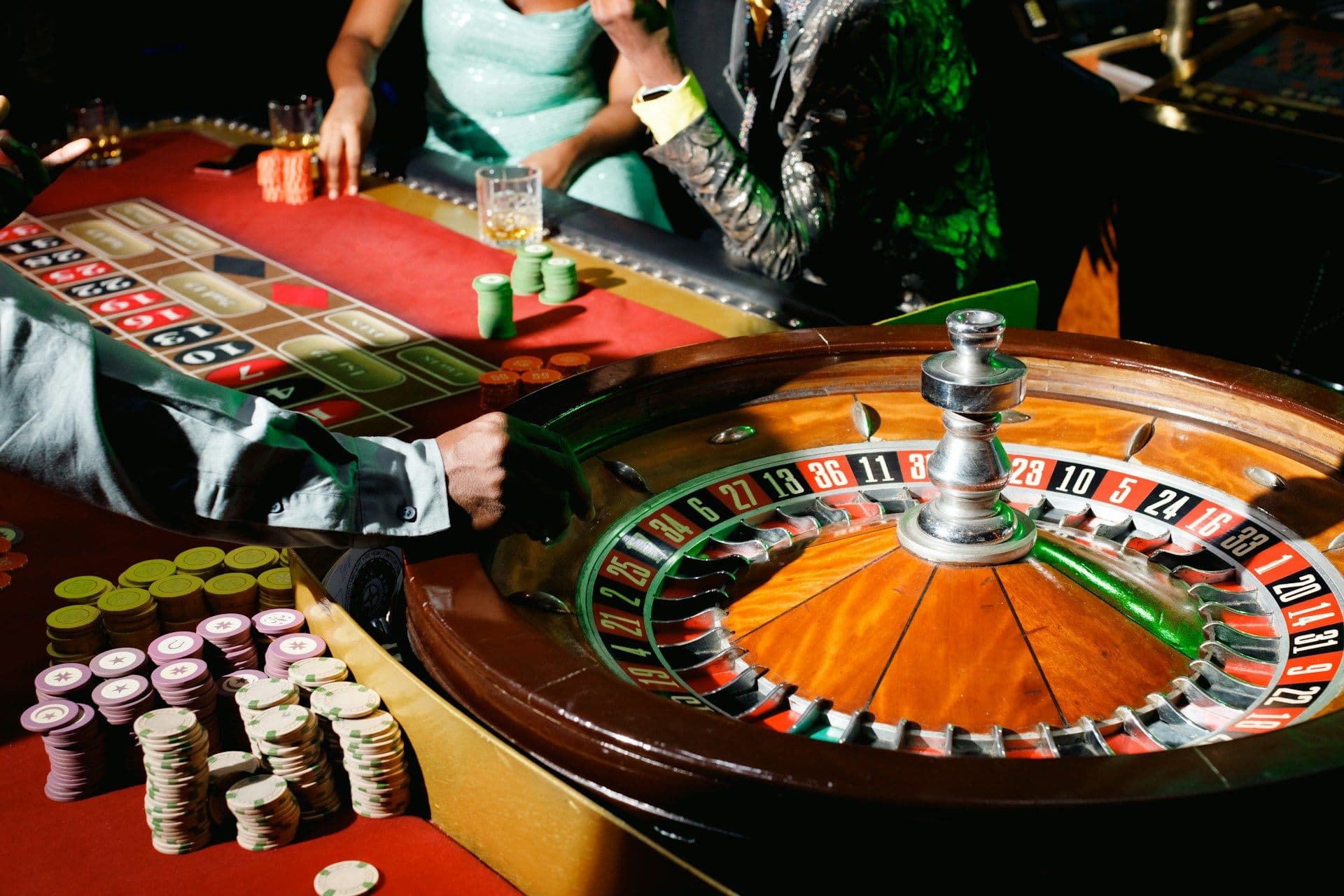
Luxembourg is preparing a reform of its gambling legislation in order to better combat illegal offerings and impose a stricter framework on online gambling, particularly for casinos. In the crosshairs: slot machines installed in everyday venues, devices resembling gaming terminals in the hospitality sector, and the widening gap between a tightly controlled licensing system and the reality of a digital market accessible in just a few clicks.
A simple principle: no authorisation, no gambling
Luxembourg’s legal framework is based on prior authorisation. Games of chance are not limited to roulette tables: the definition also includes devices designed to provide winnings in exchange for a stake. Operation is not open to everyone. It is reserved for casinos and similar establishments, set up with a tourism-related purpose, and subject to authorisation granted after an investigation and on the basis of formalised conditions.
The same logic applies to sports betting: accepting wagers on sporting events, even occasionally, falls within the scope of an activity that must be authorised. Operations are conducted under public oversight, with supervision shared among several administrations. Behind the administrative wording, the message is clear: the State wants to know who is offering games, where, how, and under which rules.
Bringing online in line with the “physical” casino
The announced reform targets a major lock in the system: online casinos. The idea under discussion is to reserve access to the digital market for land-based casinos that already hold a licence, allowing them to apply for an additional authorisation to operate their games online. If this approach is confirmed, it would change the current logic: online gambling would no longer be treated as a separate zone, but as an extension of the casino subject to the same constraints.
This prospect is closely monitored by websites that map the online casino offer accessible from the country, such as casino.org Luxembourg, where players look for guidance on what exists, what is accessible, and what falls within a regulated framework. In the background, the reform aims to reduce the ambiguity between what the public sees on the internet and what the State actually authorises.
Lotteries and raffles: a two-tier framework
Lotteries and raffles also follow a precise mechanism. A financial threshold distinguishes small local operations from larger schemes: above a certain amount, authorisation falls under the State; below it, competence shifts to the municipality. In both cases, the spirit is the same: these operations must serve a purpose of general interest (philanthropic, social, sporting, cultural, educational, etc.).
The authorising authority may impose concrete conditions on organisation, the draw, or oversight. This is not a minor detail: such conditional power helps prevent opaque arrangements, regulate advertising, and avoid practices that could mislead participants.
Sports betting: legal, but a tightly controlled market
Sports betting has been authorised in Luxembourg for several decades, and the minimum legal age is set at 18. On paper, online gambling is also permitted. In practice, however, the authorised offer is described as very limited, with the landscape dominated by the historic public operator.
As a result, some players turn to foreign platforms, attracted by more aggressive interfaces, more visible bonuses, and broader catalogues of games.
The Luxembourg paradox lies here: the State regulates the legal offer but struggles to contain the accessibility of unauthorised operators. Players themselves are not the primary target. Pressure is shifting towards operators, distribution points, and intermediaries. In a European space where services circulate freely, the boundary between “accessible” and “authorised” quickly becomes a legal and practical headache.
Taxation: an element of attraction for players
From a tax perspective, Luxembourg highlights a factor that matters in bettors’ decisions: gambling winnings are generally presented as not subject to personal income tax. By contrast, taxation primarily targets companies offering online gambling services, with a specific rate mentioned for sports betting.
This structure creates a dual dynamic: it makes the country attractive for players, while reminding that gambling remains a sector where the State intends to keep control.
Addiction: the issue weighing on the entire reform
Behind the legal texts are personal trajectories. The addictive mechanisms linked to slot machines are regularly cited by healthcare professionals: rapid play, random rewards, loss of reference points, and escalating stakes. The affected population is not limited to heavy gamblers. The risk also lies in normalisation: playing “a little” in a café, then continuing on a platform, then returning to the counter.
Luxembourg also points to the existence of a specialised centre for behavioural addictions, offering free and anonymous consultations. Its scope goes beyond gambling: screens, compulsive shopping, work-related addictions, and more.
The political challenge is to connect this therapeutic work with a coherent regulatory framework. A law does not cure anyone, but it can reduce exposure, impose safeguards, and make the transition from leisure to trap less easy.