
"I'll be back!" Contemporary dance at the heart of dialogue between amateurs and professionals in Luxembourg
Meetings, masterclasses, inclusive performances and European creations — discover how the AWA 2026 Platform is establishing itself as a key contemporary dance festival in Luxembourg and opening its doors to all audiences.
©Jonathan Couvent
Could you briefly introduce the AWA Platform: its mission, its vision, and what makes it unique in Luxembourg?
The AWA Platform is an unmissable event in contemporary dance, designed as a space for amateurs and professionals to meet and share ideas. Firmly rooted in the region, it builds bridges through strong collaborations with the CND Luxembourg and TROIS C-L / Maison pour la danse around workshops and masterclasses, as well as with Kinneksbond and TROIS C-L / Maison pour la danse for a demanding programme of shows open to all.
What motivated the creation of this festival, and how has it evolved since the first edition?
Born in 2018 from a simple but essential observation — the lack of bridges between amateur and professional dance circles in Luxembourg — the AWA Platform was created as a space for meeting, transmission and transformation through movement. From the outset, AWA has affirmed a strong conviction: dance is not reserved for the few, it is a universal language capable of creating bonds, emancipating and strengthening collective dynamics.
Over the course of its various editions, the AWA Platform has continued to evolve, constantly rethinking its formats to broaden its impact and reach an increasingly diverse audience. From an initial edition centred on a week of workshops and masterclasses, accompanied by an evening of performances bringing together amateurs and professionals, the project has grown to become a two-week festival in 2024 and then in 2026.
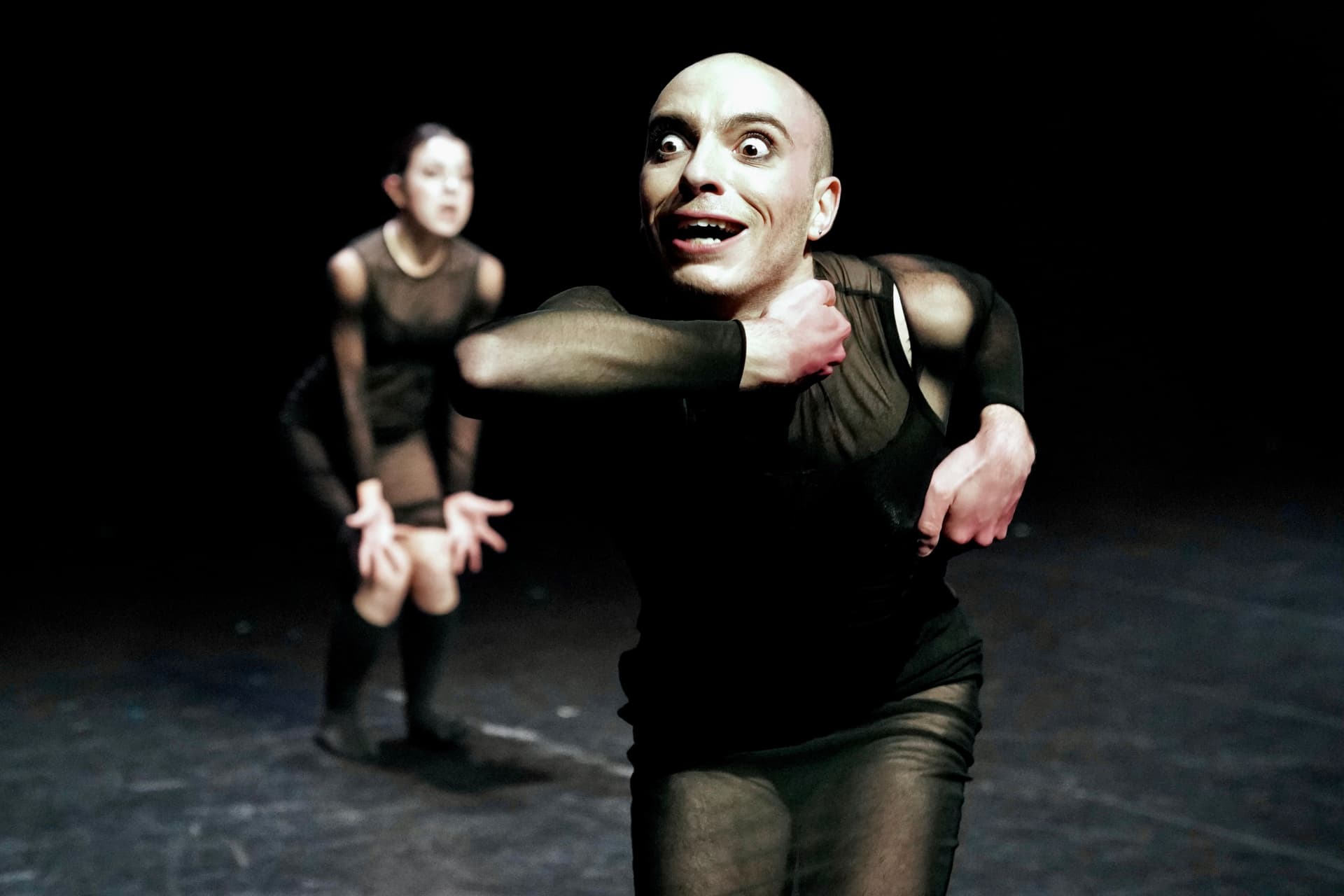
Today, AWA is a major event dedicated to contemporary dance in Luxembourg, combining workshops, masterclasses, round tables and a deeply inclusive artistic programme. On stage and in the studios, bodies come together: children, adults, seniors, emerging and established artists, and audiences with specific needs. Together, they share an experience of movement that goes beyond performance to become an act of participation, visibility and dialogue.
Through this evolution, the AWA Platform affirms its commitment to dance that is open, accessible and rooted in society, while actively contributing to the influence and dynamism of the contemporary choreographic scene in Luxembourg.
What is the artistic theme of the 2026 edition? Is there a theme, an intention, a central question?
This edition confirms the choice of an extended format over two weeks, which was already successfully trialled in the 2024 edition.
There is no set theme, but the programme highlights creations that speak to our current world, as seen through the eyes of young European artists. Each in their own way, their works address the issues and realities that permeate our society today.
Through this deliberately open selection, we aim to enable both the public and participants in the various activities to discover a broad and vibrant picture of contemporary dance as it is created and shared today.
How do you select the shows/companies you invite? What criteria are most important to you?
With each edition, the festival strives, as far as possible, to explore the diversity of creative visions in Europe. In an ultra-connected and globalised world, where one might assume a homogenisation of artistic perspectives, we affirm, on the contrary, the existence — and richness — of unique points of view, rooted in distinct cultural and aesthetic contexts.
From a technical standpoint, this approach involves deliberately concise creative formats, accompanied by flexible technical specifications. As performance evenings are shared between several companies, this configuration represents a real challenge for the technical teams at the venues. We are fortunate to be able to count on the expertise and know-how of the Kinneksbond in Mamer and the TROIS C-L / Maison pour la danse, whose teams are among the most renowned in this field.
How would you describe the contemporary dance scene in Luxembourg today: opportunities, challenges, energy?
The Luxembourg dance scene is currently booming. Thanks to the ongoing efforts of TROIS C-L / Maison pour la danse, with the support of the Ministry of Culture and Kultur | LX – Arts Council Luxembourg, Luxembourg dance is becoming increasingly prominent on the highly competitive European scene.
Initiatives are multiplying and international tours of Luxembourgish productions are experiencing sustained growth each season. Given the current budgetary situation in neighbouring countries, it is all the more essential to encourage Luxembourg to continue and strengthen this ambitious momentum.
The festival aims to bring amateurs and professionals closer together. In practical terms, how is this bridge built into the programme?
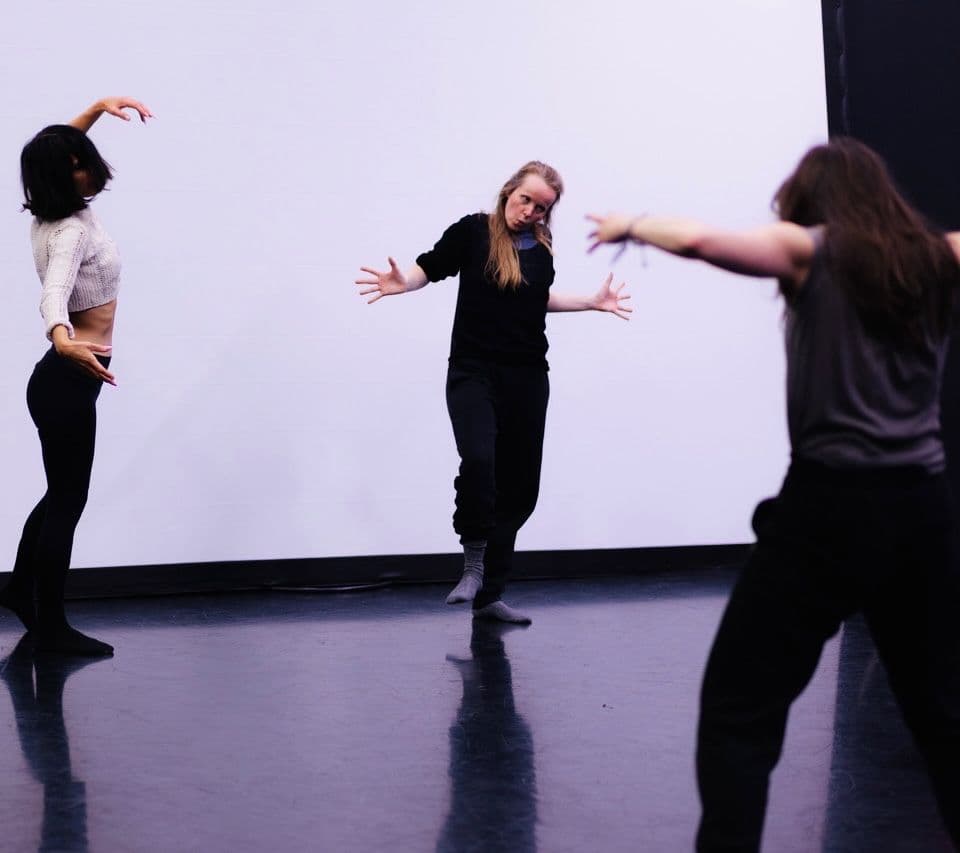
Through the organisation of masterclasses and workshops specifically dedicated to amateurs, whether experienced or not, as well as dancers of all ages, particularly the youngest thanks to the integration of the existing Young Movers programme from TROIS C-L, but also older dancers via the 55+ programme. This approach is also being continued with the creation of an original piece, this year in collaboration with Luxembourg choreographer Anne-Mareike Hess and the young dancers of the CND Luxembourg Junior Company.
Since the last edition, you have strengthened the inclusive aspect. Could you explain what this involves and who it is aimed at?
Indeed, since the 2024 edition, we have incorporated a more inclusive aspect into our event. This includes organising workshops dedicated to people with disabilities, led by a specialist facilitator. We also benefit from the involvement of specific actors to reach these audiences, such as the MOSAIK network and the dance company Ensemble BlancContact.
What are the "must-see" moments of the 2026 edition (featured shows, masterclasses, workshops, new additions)?
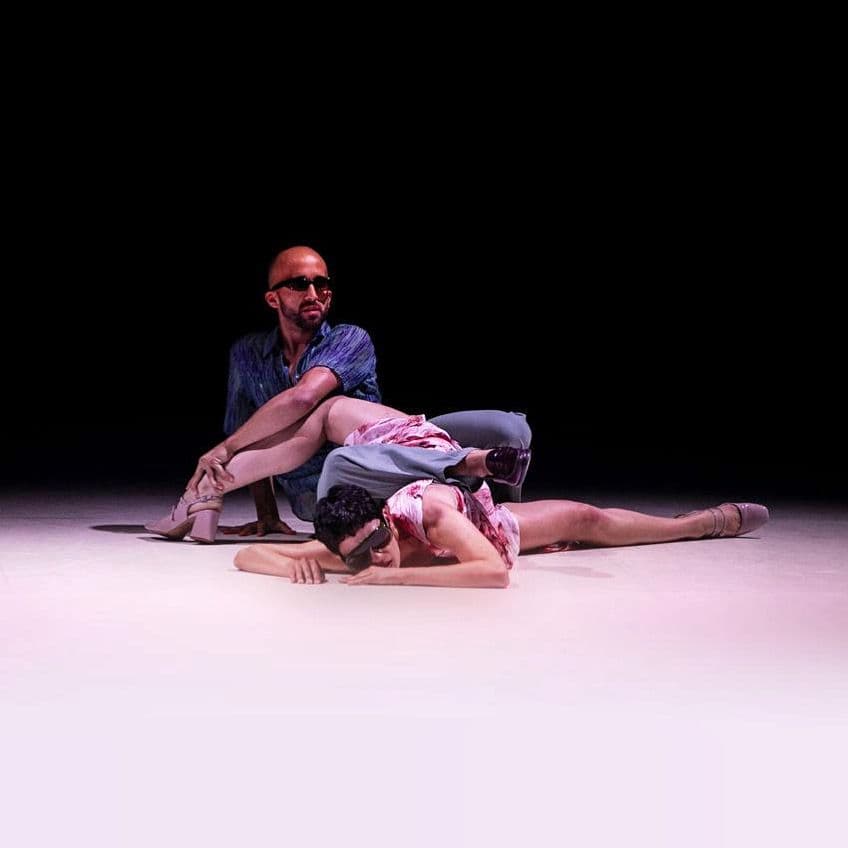
The programme, which becomes more and more demanding with each edition, would lead me to say that the opening and closing nights will be the highlights of this Plate-Forme. For professionals, the masterclasses will also be led by exceptional speakers, so don't miss them.
What advice would you give to (semi-)professional dancers living in Luxembourg who wish to move into contemporary dance?
Beyond the rigour and intense work that this path requires, one must never neglect the relational aspect, which is paramount in our field. Knowing how to create and maintain healthy and diverse professional relationships is essential. You also need to be prepared to accept that your professional situation may be different from what you imagine, often compared to more "traditional" professions that are widely acclaimed in our Western society.
What skills/recommendations do you think are most important for progressing (technique, improvisation, research, physical preparation, mental preparation)?
In my opinion, an interpreter's wide range of skills is essential and constitutes their greatest asset. It is important to encourage diversity of skills rather than exclusive specialisation, but be careful: one does not preclude the other. Apart from this specific opinion, it is clear that physical and mental rigour are very important factors.
Are there any courses, schools, organisations or opportunities in Luxembourg that you would recommend to those who wish to become professionals?
The CND Luxembourg plays a decisive role in preparing future professional dancers in Luxembourg. Through original creations, tours and intensive training, the CND offers a stimulating and realistic environment for the artistic and technical development of young talent.
In my opinion, it is the best programme for dancers wishing to pursue professional training. However, it is important to note that, unfortunately, comprehensive professional training will have to be continued in a facility abroad.
In this context, I can personally recommend reputable institutions such as the Ballet Junior de Genève, or certain English schools such as The Place in London or the NSCD in Leeds, which offer a recognised professional environment for the development of young dancers.
Your professional masterclasses: who are they for and how do you register? What are the prerequisites/levels required?
The professional masterclasses are primarily intended for experienced performers, selected on an individual basis after submitting a CV. However, we also offer a degree of flexibility to allow young pre-professional dancers to benefit from them. These sessions offer them the opportunity to strengthen their skills and discover the demands of training as a professional dancer.
To register, visit the TROIS C-L / Maison pour la danse website: www.danse.lu. Hurry, places are limited, but registration is free, which is absolutely exceptional, but places are going fast.
For someone who has never seen contemporary dance before: what would you recommend as a good starting point for discovering the festival without feeling intimidated?
Performance evenings have always been designed to satisfy as many people as possible. BUT we must never forget that, beyond each individual's personal tastes, what matters most before entering a performance space is open-mindedness and our ability to let ourselves be guided by what happens there.
Finally, what would you like the audience to take away from Plate-Forme AWA 2026?
May every participant leave our events saying, "I'll be back!"