
Unisex toilets in schools have sparked a wave of criticism
Possessed Photography, Unsplash
The CSV party has come out strongly against a government pilot project to replace separate school toilets with unisex facilities in new school buildings. The initiative was presented by Yuriko Backes, Minister for Gender Equality and Diversity from the Democratic Party (DP), during discussions in the parliamentary committee on LGBTIQ+ issues.
The project was conceived as a measure to combat bullying and harassment in schools. However, the reaction to it turned out to be much more critical than the authorities had expected. In surveys conducted by RTL journalists among schoolchildren, many teenagers said they considered shared toilets to be a violation of personal privacy. Separate facilities for girls and boys, they said, are not a form of discrimination, but are perceived as a natural and understandable norm. Some directly pointed to concerns about possible inappropriate behaviour in such spaces.
The Ministry of Education, on the other hand, insists that the new concept actually enhances privacy. Senior ministry official Christian Ginter explained that these are not common rooms in the usual sense, but completely isolated individual cubicles without urinals or open areas. According to him, this should eliminate situations of hidden filming, reduce the level of aggression and vandalism, and thus increase the sense of security.
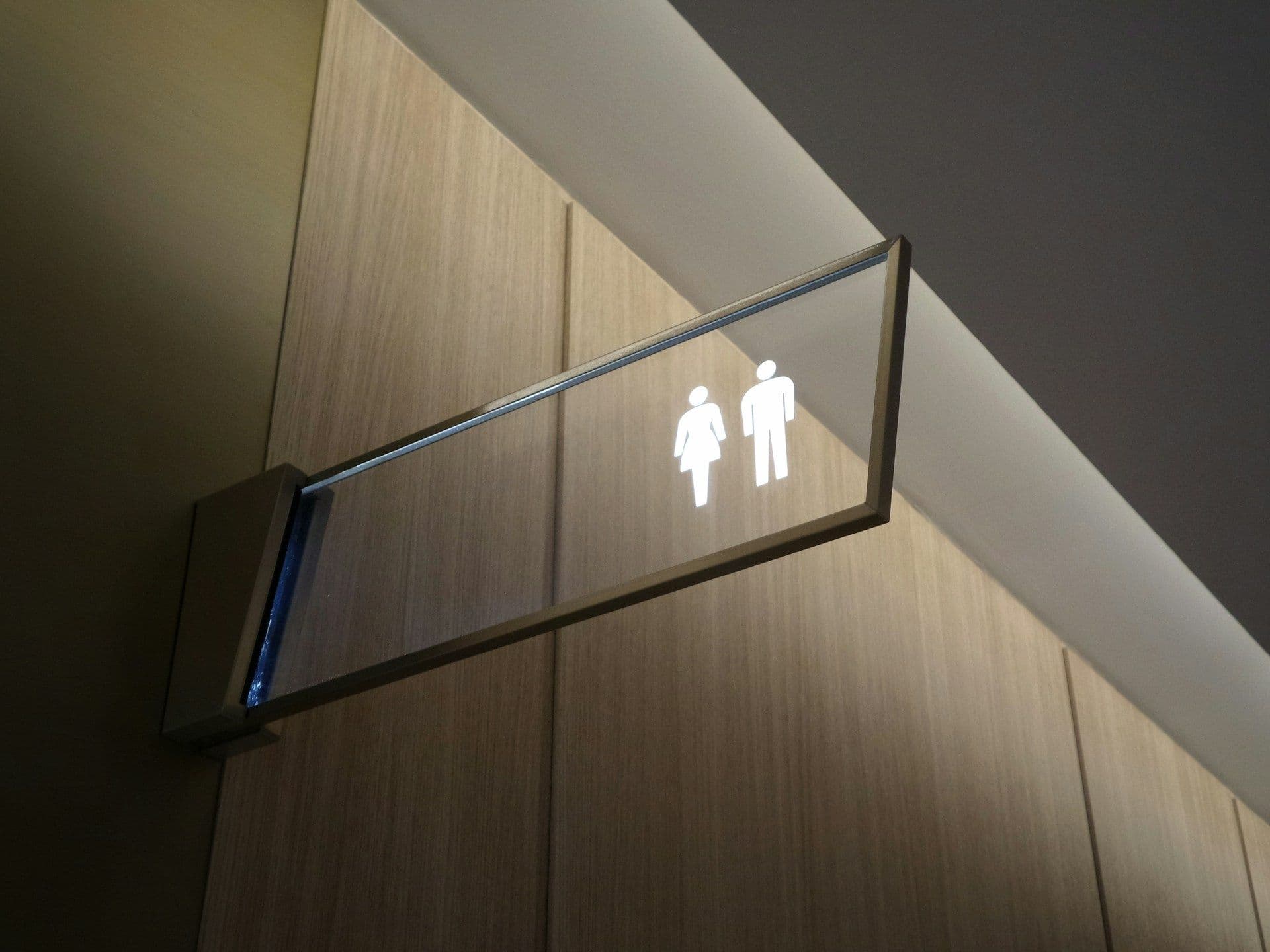
At the same time, the ministry emphasises that schools will retain freedom of choice and, if they wish, will be able to keep gender-specific toilet signage. However, these explanations have not eased tensions. Social media is actively discussing the risks of possible harassment, especially against girls.
The National Parents' Association confirms an increase in alarming reports. Its president, Alain Massen, notes that adolescence is a vulnerable period in itself, and many families are not ready to accept the idea of shared toilets. According to the organisation, a compromise is only possible if unisex cubicles exist alongside traditional separate facilities.
The CSV's political stance remains firm. The party says that children and teenagers need clear rules and stable guidelines, especially when it comes to intimate spaces. MP Ricardo Marques added that the demand for unisex toilets was not among the citizens' appeals that initially prompted parliamentary discussions.
At this point, it remains unclear whether the initiative will be limited to a pilot project, which schools will be affected, and whether this model could eventually become mandatory. The discussion shows that the issue of school infrastructure in the context of gender policy has proven to be much more sensitive than its authors had anticipated.