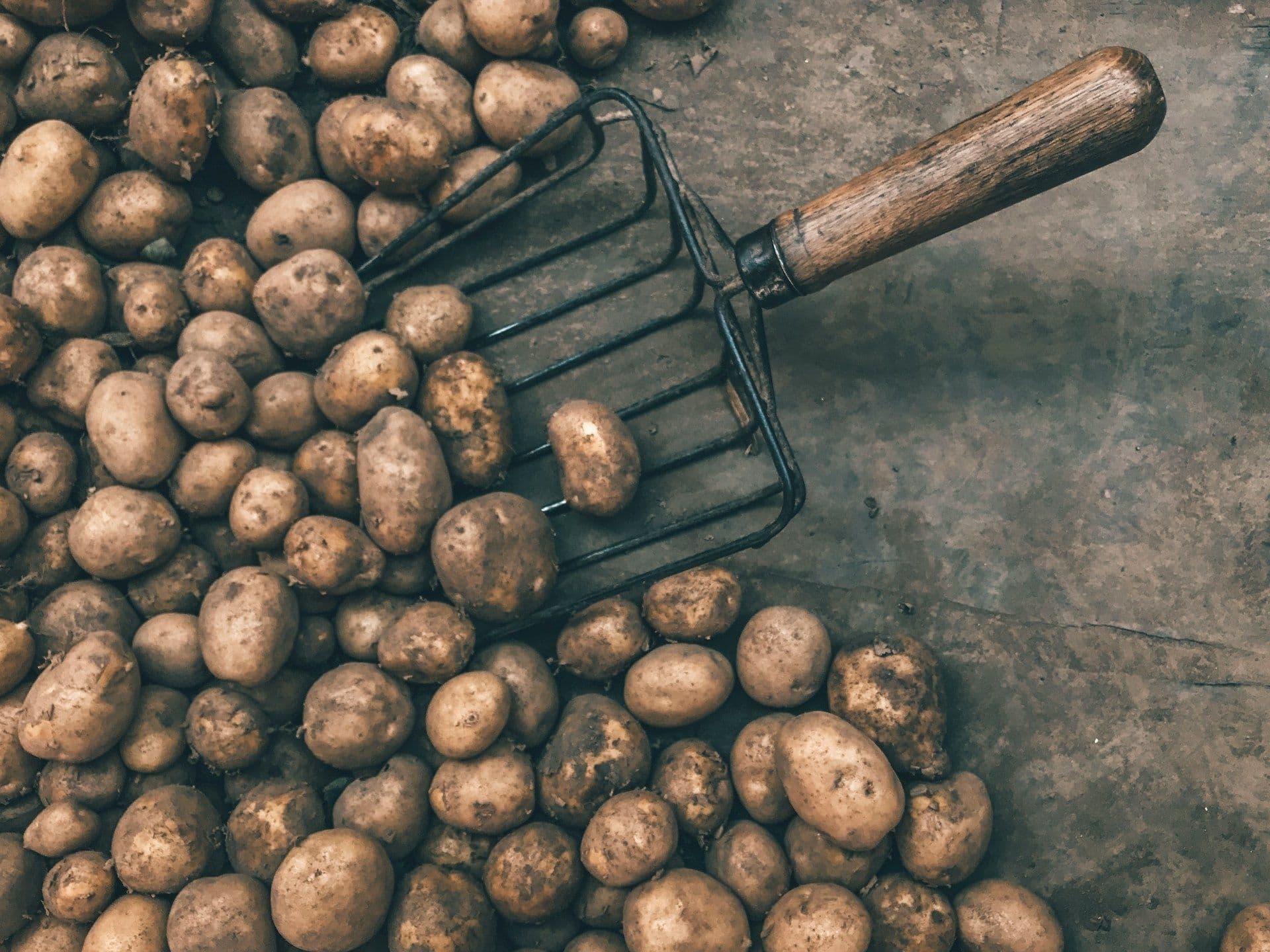
The potatoes in Luxembourg turned out to be too small
Jan Antonin Kolar, Unsplash
Luxembourg’s agricultural sector has faced serious consequences as a result of the summer drought and extreme heat. According to the Minister for Agriculture, Martine Hansen, this year’s potato harvest has proved to be too small, rendering it unsuitable for industrial processing, particularly for the production of crisps. At the same time, the situation with cereal crops remains mixed. According to Steve Turmes, director of the Saatbau-Genossenschaft cooperative, winter crops such as wheat, barley, rye and triticale, were of acceptable quality, whilst yield figures were only slightly below the long-term average.
However, spring crops were affected much more severely. Serge Turmes, Director-General of De Verband, noted a 10–15 per cent drop in both the volume and quality of spring crops compared with last year. The main cause was the abnormal heatwave at the end of June, when temperatures in the municipality of Remich exceeded 40 degrees Celsius. Nevertheless, some crops, including winter rapeseed, spelt and oats, weathered the adverse conditions with fewer losses.
Farmers are particularly concerned about the shortage of animal feed. Whilst the first two cuts of hay from the pastures were of good quality, the third cut was almost entirely lost due to widespread damage to the land. As a result, many agricultural enterprises have already begun to draw on their winter reserves. Silage maize had to be harvested at a record-early date this season – harvesting from the worst-affected fields began as early as the end of July. Martine Hansen emphasises that the state insurance scheme covers 65 per cent of the cost of crop failure policies; however, financial compensation is unable to make up for the physical shortage of fodder currently being observed throughout the Greater Region.
In addition to climatic factors, geopolitical crises continue to put pressure on agricultural profitability. Serge Turmes points out that, despite a 10–12 per cent rise in grain prices, production remains unprofitable due to a sharp increase in the cost of inputs and fertilisers. A similar situation is unfolding in the rapeseed market: its price has risen significantly following the surge in global oil prices caused by instability in the Middle East; however, this increase does not offset the farmers’ rising costs, particularly given the decline in harvest volumes.
State subsidies remain critically important. Martine Hansen and Steve Turmes (Steve Turmes) agree that without financial support under the Common Agricultural Policy, the sector will become unviable and Europe risks becoming entirely dependent on food imports. According to industry representatives, policymakers must make a definitive choice: to maintain sustainable domestic production or to rely entirely on external supplies.