‘De mémoire d’arbre’ tells the story of a tree
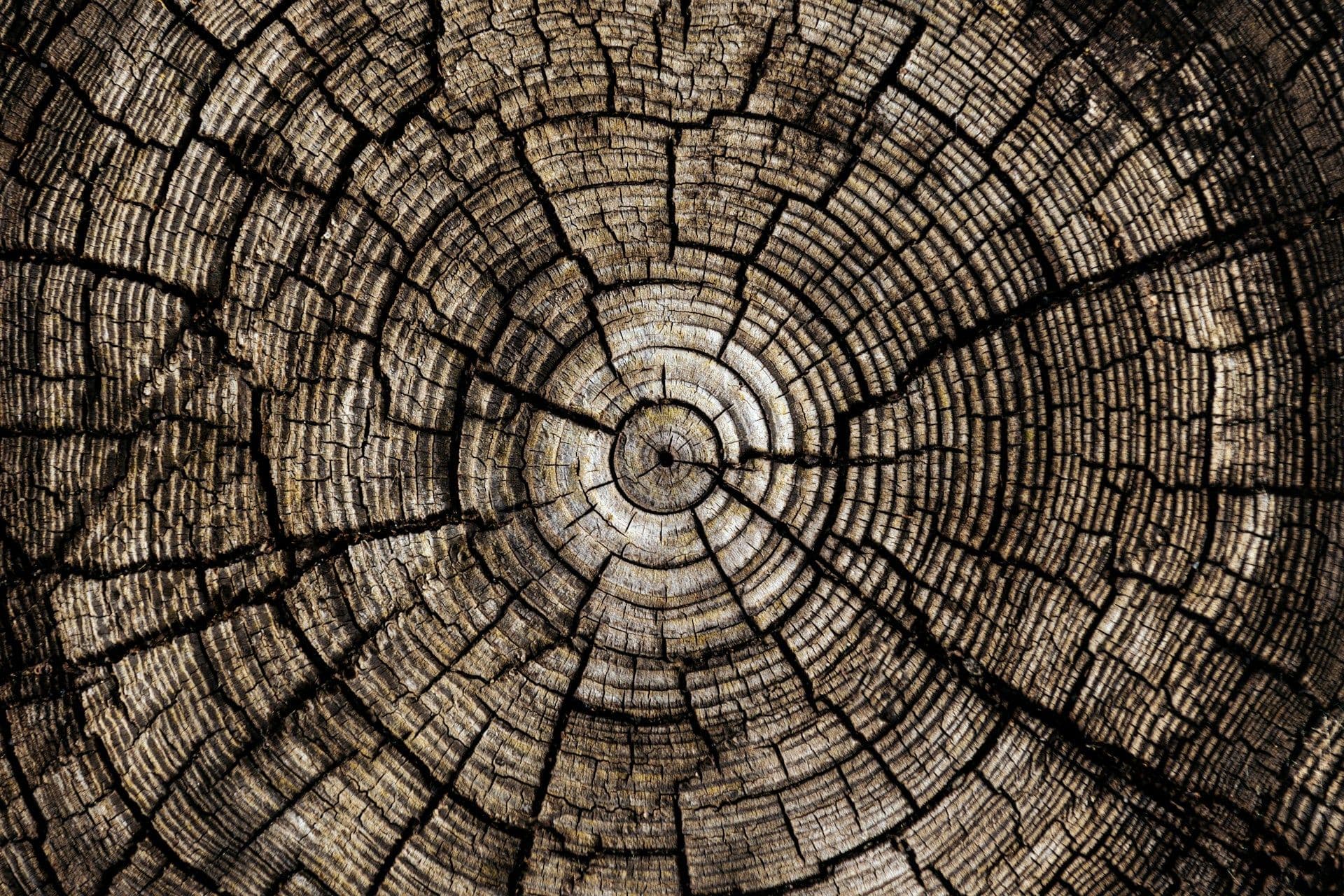
Tim Mossholder, Unsplash
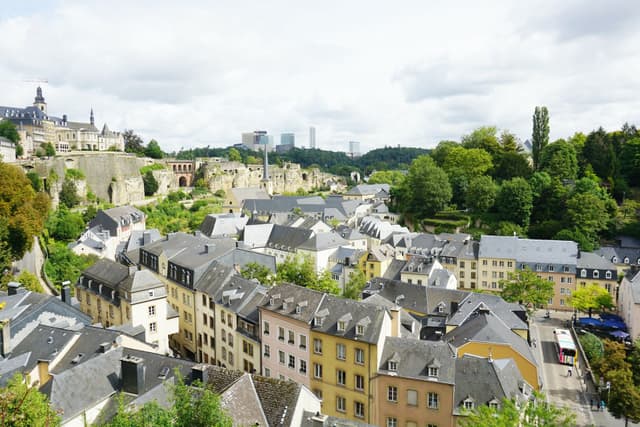
The exhibition ‘De mémoire d’arbre’ (‘Memory of a Tree’) has opened at the Luxembourg City Museum and will run from 23 April to 13 September 2026. The exhibition is dedicated to the story of the majestic European beech tree, which has graced the museum’s courtyard for over a century and a half, creating an oasis of tranquillity in the very heart of the capital.
The tree, which boasted an impressive 24-metre trunk, was planted between 1856 and 1858 – before the demolition of the Luxembourg Fortress in 1867. As such, the beech tree has stood as a silent witness to major historical events, including both world wars.
Unfortunately, in March 2022, the tree had to be felled for safety reasons due to a fungal disease exacerbated by an abnormal drought. However, the museum decided to preserve sections of the trunk and present them to artists, so that the memory of this centuries-old giant might be immortalised through art.
Eight renowned sculptors from Luxembourg and across Europe rose to the challenge, creating unique works of art from the wood of a fallen beech tree:
- Jhemp Bastin: a chainsaw artist who created the sculpture ‘Mémoire d’arbre’.
- Pitt Brandenburger: the creator of ‘Gardien’ (‘The Guardian’), a piece combining beech and walnut.
- Gérard Claude: presented the deeply symbolic work *Memento*.
- Katarzyna Kot: has created a tribute to the poet Anis Koltz – the installation ‘S’adonner au silence’.
- Jean-Paul Thiefels: creator of the philosophical sculpture ‘Au fil du temps’.
- Laurent Turping: created the works ‘Symbiose’ and ‘Générations’.
- Wouter van der Vlugt: a designer and sculptor who presented the project ‘Chaotic route III’.
- Nadine Zangarini: a follower of Brancusi and the creator of the ‘Refuges’ series.
The exhibition, curated by Guy Thewes and Anne Hoffmann, invites visitors to explore three centuries of history through the lens of a single tree. The artists’ works have now been added to the City of Luxembourg’s permanent art collection. The exhibition is complemented by archive photographs and the results of a dendrochronological study conducted by the National Museum of Natural History.