
Plants are cleaning up the industrial areas of Uckange
Roberta Sant'Anna, Unsplash
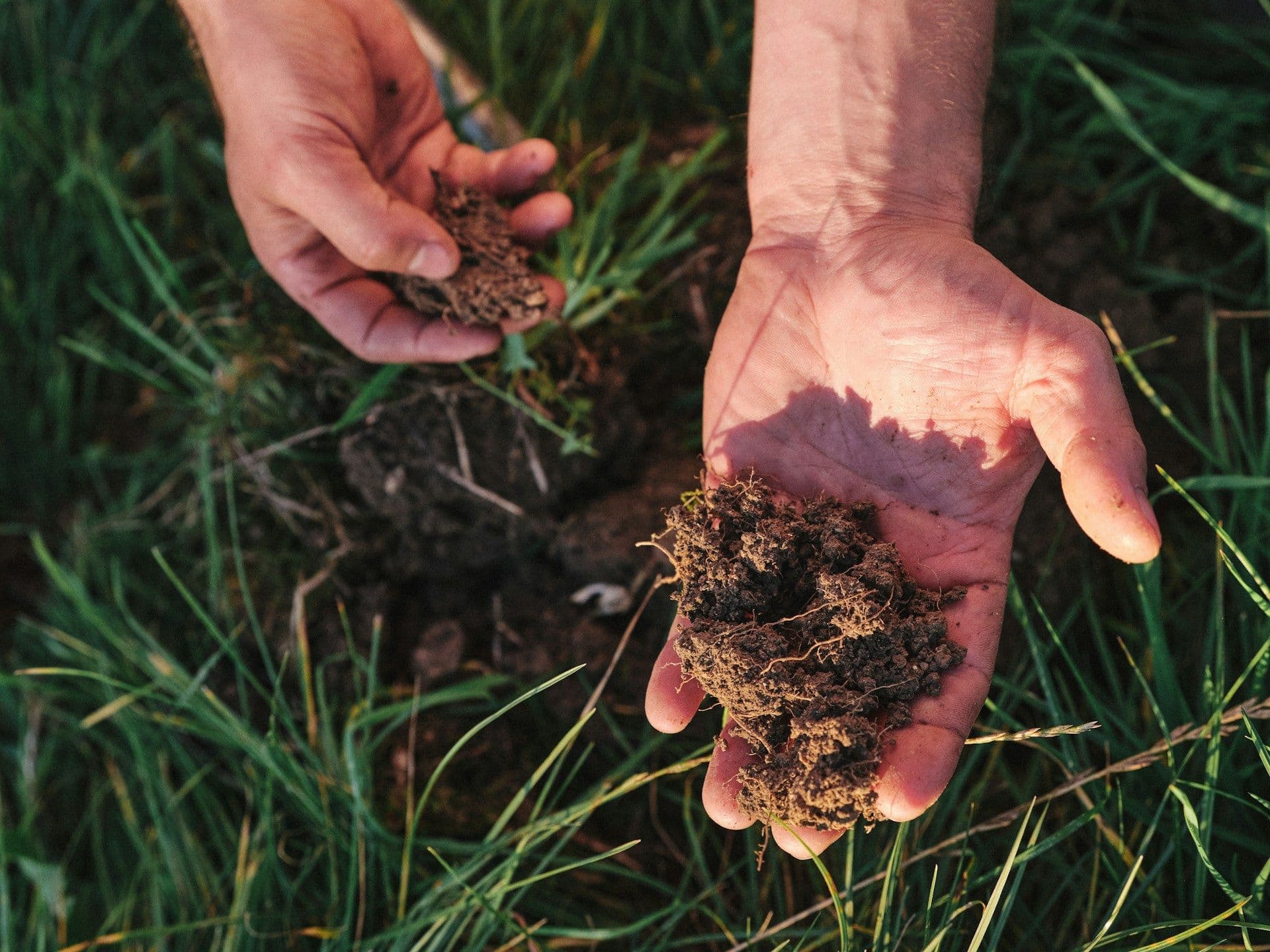
On the site of an abandoned steelworks in the French town of Uckange, situated near Thionville, a scientific experiment is being conducted to naturally cleanse the soil of hydrocarbons and heavy metals. The project leader, Sonia Henry, a lecturer at the Institute of Technology at the University of Lorraine, is growing specialised crops on the industrial wasteland. The main species used in the trials is elephant grass — Miscanthus x Giganteus. This plant stimulates the activity of microorganisms in the root system, which helps to trap metals in place and alter the chemical composition of the soil, thereby contributing to the breakdown of organic pollutants.
Since 2022, the former steelworks has served as an open-air laboratory for testing phytoremediation methods — the process of using plants to absorb, stabilise or break down pollutants. The initiative, run by the Val de Fensch local community in partnership with the University of Lorraine and the National Institute for Agricultural, Food and the Environment (INRAE), aims to find environmentally friendly alternatives to costly and aggressive methods such as chemical treatment or soil excavation. The uniqueness of this pilot project lies in the use of combinations of different plant species. In addition to miscanthus, the scientists have planted another crop, the name of which is currently being kept secret. Whilst miscanthus breaks down organic compounds, the second plant specialises in removing metallic pollutants, in particular zinc.
The second plant absorbs metals from the soil and accumulates them in its above-ground parts. Subsequently, this contaminated plant material, which does not release pollution into the air, is collected for further extraction and potential reuse of the metals by another group of researchers. This approach makes it possible to tackle both organic substances and inorganic pollutants – including nickel, chromium, zinc and copper – which are unevenly distributed across the Uckange area. According to Sonia Henry, the rate of remediation depends directly on the concentration of toxins and their bioavailability — a measure of how easily root systems or microbes can interact with harmful substances. Sometimes pollutants are so firmly bound to soil particles that the remediation process becomes less effective.
Although the experiment is only in its second year, the initial results are already showing clear signs of successful soil decontamination. Further monitoring will be required to fully assess the long-term impact and the time needed to completely clean up the test site. Ultimately, the researchers hope to develop a working model of phytoremediation so that this technology can be scaled up and applied to other contaminated industrial sites.