Can allergies fight brain cancer? Scientists in Luxembourg are searching for the answer
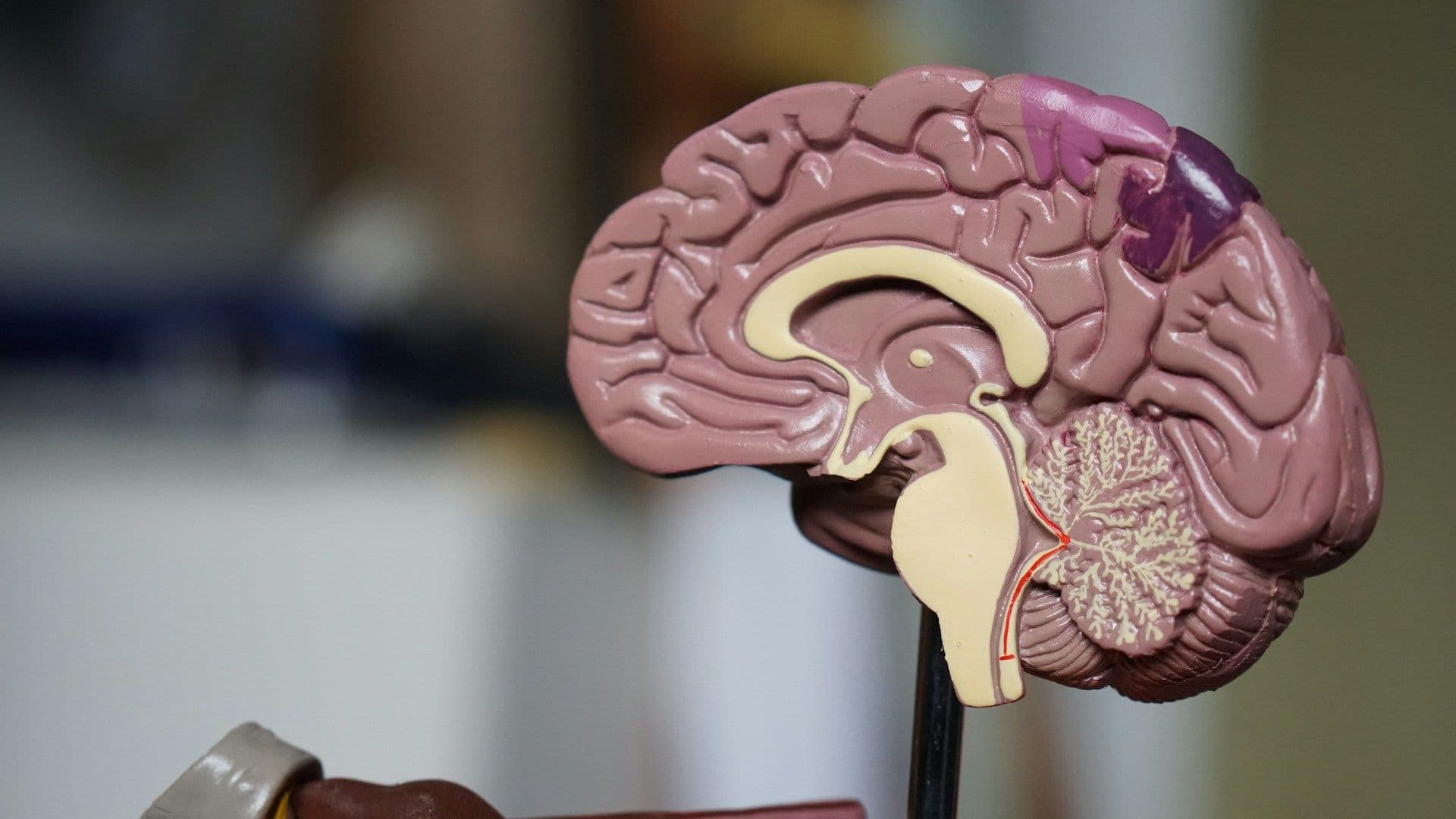
Robina Weermeijer, Unsplash
Scientists at the Luxembourg Institute of Health (LIH) have launched a study that could change our understanding of the link between allergies and cancer. According to epidemiological data, people with respiratory allergies, such as hay fever or allergic asthma, have a roughly 30% lower risk of developing glioblastoma.
Glioblastoma is a rare but extremely aggressive form of brain cancer, characterised by rapid growth and the ability to suppress the body's immune response. It is this feature that makes many modern treatments, including immunotherapy, ineffective. However, the observed "protective" role of allergies points to a possible key to understanding how to activate the immune system against tumours.
The Glioma Risk and Allergy (GRALL) project, led by Aurélie Poli, focuses on identifying the biological mechanisms behind this phenomenon. According to her, the working hypothesis is that allergies keep the immune system in a state of heightened alert. Under such conditions, immune cells become more aggressive towards substances that would normally be ignored — and possibly towards tumour cells as well.
Particular attention is paid to microglia, specific immune cells in the brain. Alessandro Michelucci, head of the LIH neuroimmunology group, notes that during an allergic reaction, microglia are activated and begin to produce molecules that can slow tumour progression. In addition, other immune cells from peripheral blood join the fight. These effects have already been demonstrated in experimental models.
The next stage of research will involve a detailed investigation of the specific signalling pathways and molecular mechanisms that enhance the antitumour activity of immune cells in allergic conditions. In the long term, the knowledge gained could form the basis for new drugs or more effective immunotherapeutic strategies.
Scientists emphasise that the path from fundamental science to clinical application will be long and may take years. The GRALL project is funded by the National Research Fund (Fonds National de la Recherche, FNR) and the Cancer Fund and will run until April 2028. Nevertheless, the results already open up the prospect of rethinking the role of the immune system in the treatment of one of the most severe forms of cancer.