Is French cadmium dangerous?
Roman Synkevych, Unsplash
At the end of March, the French National Agency for Food, Environmental and Occupational Health & Safety (ANSES) issued an urgent warning stating that almost half of the French population is exposed to excessive levels of cadmium. This toxic heavy metal is officially classified as a carcinogenic and mutagenic substance, posing a serious risk to the reproductive system. Cadmium accumulates in the human body over many years, primarily in the kidneys and bone tissue, and is excreted extremely slowly. Long-term exposure to this element is directly linked to the development of kidney failure and osteoporosis, as well as an increased risk of various cancers.
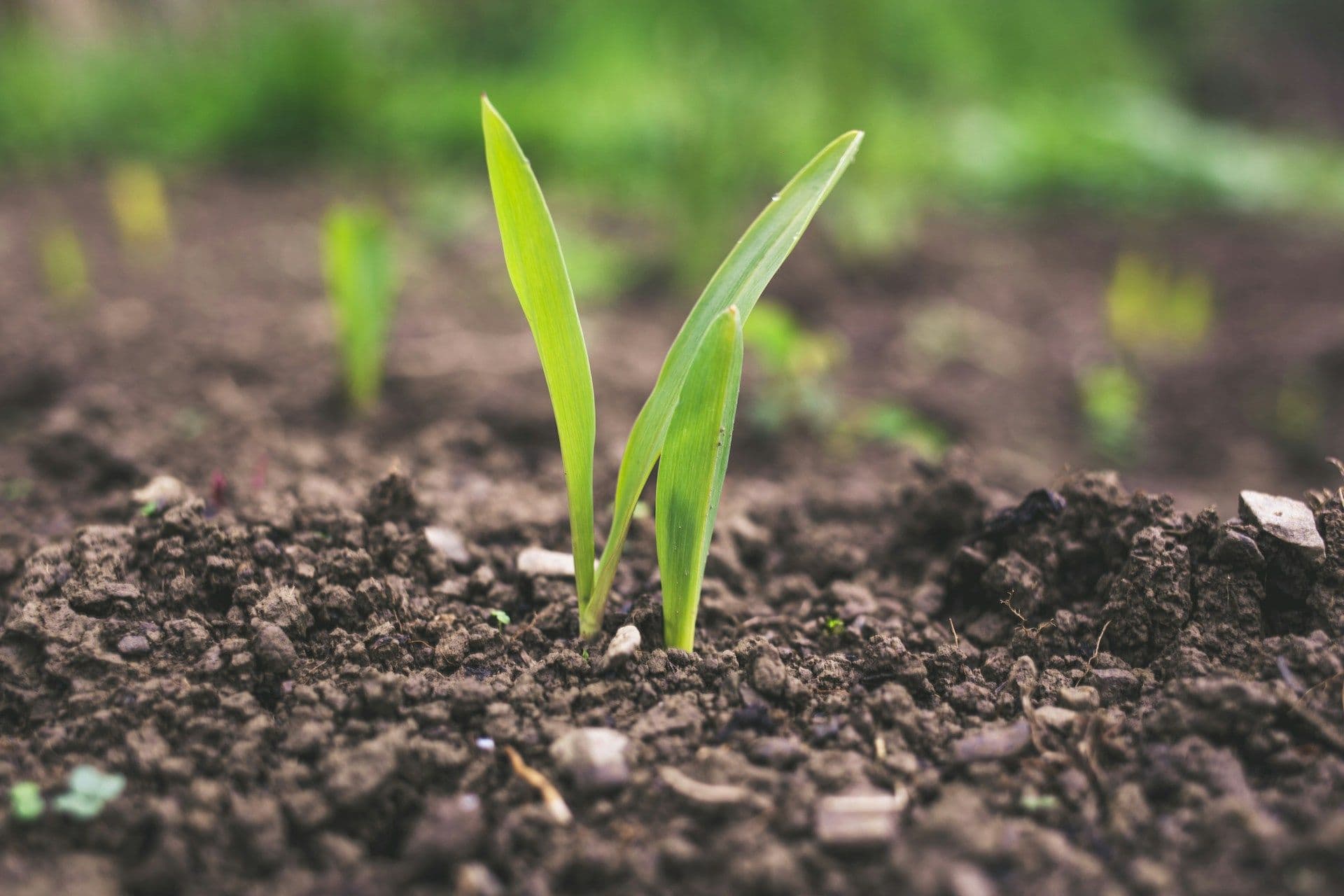
Although cadmium is present in soil, water and air as a naturally occurring element, its concentration has risen significantly due to industrial activity and intensive farming. Phosphate fertilisers containing metal impurities play a particular role in this process, as these impurities accumulate in arable land over time. The toxin enters the food chain from the soil, being absorbed by crops such as wheat, potatoes, vegetables and cocoa beans.
The critical situation in France is largely due to the fact that the local agricultural sector uses imported phosphate fertilisers from regions with traditionally high cadmium levels. Furthermore, French legislation permits higher fertiliser application rates than those recommended by European standards. At the same time, the Luxembourg Veterinary Authority (ALVA) has not identified any systemic violations during its regular inspections in recent years, as the national authorities strictly adhere to European Union regulations.
Between 2009 and 2024, the agency’s experts analysed more than 1,500 food samples, and only in isolated cases were levels found to exceed the legal limits. Elevated levels of cadmium were occasionally detected in wheat-based baby food, shiitake mushrooms, cocoa powder, spinach and seaweed; however, all unsafe batches were immediately withdrawn from the retail network. Data from a 2022 pan-European study confirms that Luxembourg is significantly less exposed to this risk: high cadmium concentrations were found in only 4.6% of the country’s adult population, compared with 38% in France.
To minimise individual risks, the Luxembourg Ministry of Health recommends that citizens, first and foremost, give up smoking completely and avoid exposure to second-hand smoke, as tobacco is a major source of this substance. Experts also advise maintaining a varied and balanced diet, emphasising that there is no need to completely exclude any specific foods. Owners of private vegetable gardens are advised to use mineral fertilisers in moderation and to carry out a soil analysis if contamination is suspected.