Cannabis in Luxembourg: between home cultivation, the black market and adolescent vulnerability
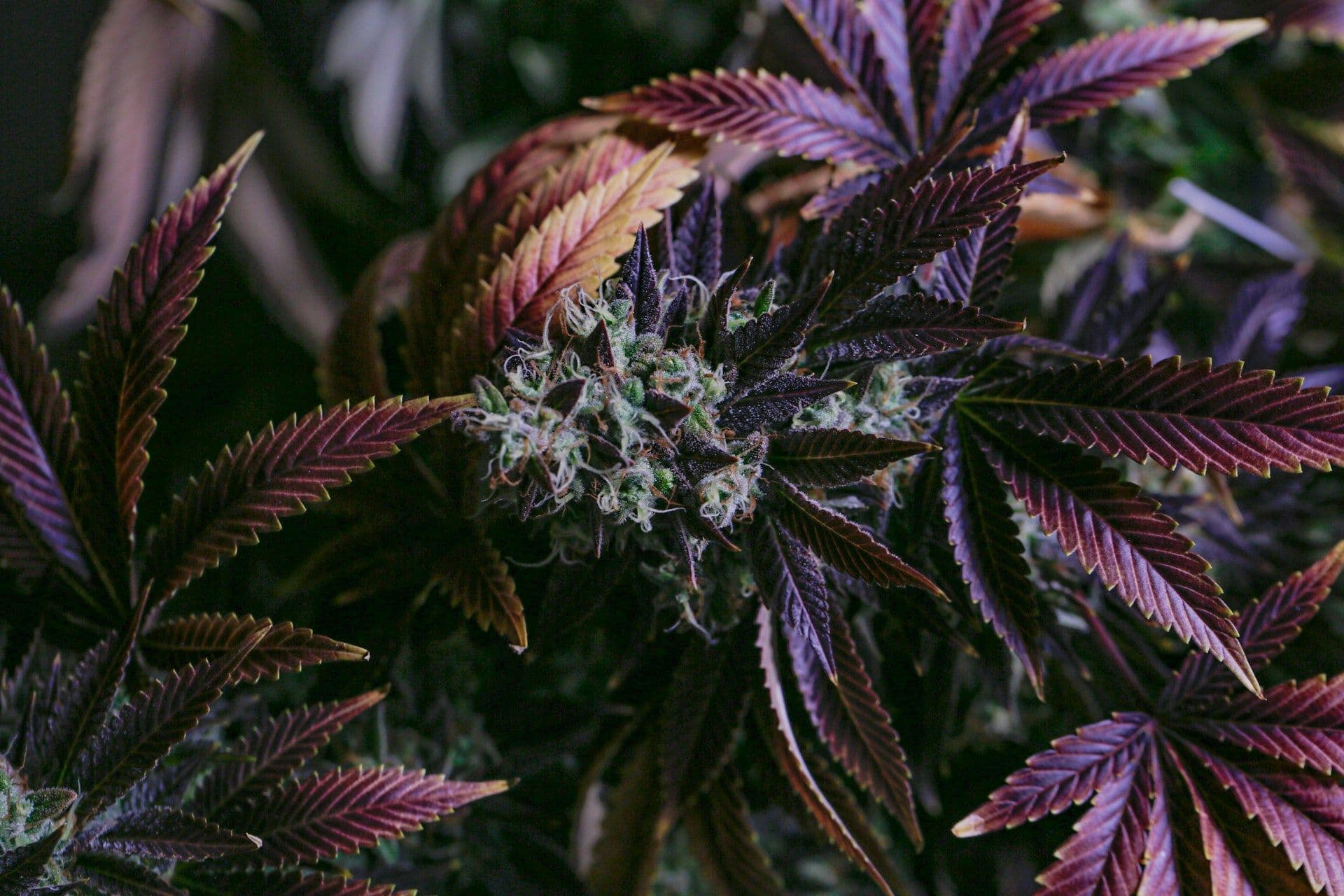
Diyahna Lewis, Unsplash
In July 2023, Luxembourg took a precedent-setting step by officially allowing adults to grow up to four cannabis plants at home. The aim was not full authorisation but decriminalisation: the authorities wanted to weaken the black market and take the criminal burden off the law enforcement system. Two years later, however, the situation is more complicated than expected, with the police, the Ministry of Justice and aid services recording unexpected side effects - especially among teenagers.
Under the law, an adult resident can grow cannabis at home, but only from seed, only for themselves and only within the confines of their own home. Selling, buying or even giving it to another person is still a criminal offence. The police emphasise that even if a guest consumes your home-grown cannabis at a party, it is an offence.
In addition, driving after cannabis use remains in the zero tolerance zone. The psychoactive substance THC (tetrahydrocannabinol) can remain in the body for up to 3-4 weeks, and its presence in the blood after a road traffic accident can lead to a licence revocation - even if the driver was not intoxicated at the time of the accident.
In practice, the law is barely monitored: there is no register, no checks. The police admit that they have no data on how many people grow plants, whether they comply with regulations, and who actually uses cannabis. Before the reform, complaints from neighbours about the smell were more common. Now, offences are more likely to be discovered by chance - when investigating other cases.
Despite the political rhetoric, the black market for cannabis in Luxembourg has not disappeared. As Steve Goedert, head of the Grand Duchy's anti-drugs unit, notes, "we see the same dealers on the streets again and again. Moreover, a new type of "home" dealer has emerged: according to Impuls, young people are increasingly bringing cannabis to schools from home (from bushes grown by their parents) and selling it to classmates.
Thus, a law designed to reduce risks has given children easier access to the drug - often without their parents' knowledge.
According to the National Drug Report 2025, 70.4% of those surveyed in 2024 admitted to using cannabis in the past year, almost 60% in the past month. Among 15-18 year olds, 15% reported recent use. Based on wastewater analyses, Luxembourg ranked 5th out of 17 European countries in terms of use.
Paradoxically, there are fewer referrals for help. Impuls records a decline in the number of adolescents referred for counselling from parents and educators. This, according to University of Luxembourg researcher Nora Vitali, is a worrying sign: society has become less sensitive to the risks. "People perceive cannabis as something harmless since it's legal," she says. - "But it's still completely illegal for minors, and its effects on the developing brain are comparable to alcohol."
The THC content of seized consignments has increased dramatically: in 2024, it was as high as 16.4 per cent in cannabis, 33.5 per cent in resin and up to 88.7 per cent in oil. For young users, this can have unpredictable consequences, especially in the absence of dosage and quality control at home.
The police recognise that in terms of reallocating resources, the changes have been beneficial: officers can now issue fines on the spot without opening a criminal case. For example:
- for consumption in a public place: €55-€48
- for possession of up to 3 grammes: €278 (in 2024) and €313 (in 2025)
Cumulatively, the state has received around €100,000 in fines in two years and the number of cases brought to court has fallen by 700. However, trafficking, underage drinking and driving under the influence remain criminal offences.