Welcome to «Cattle Truck»
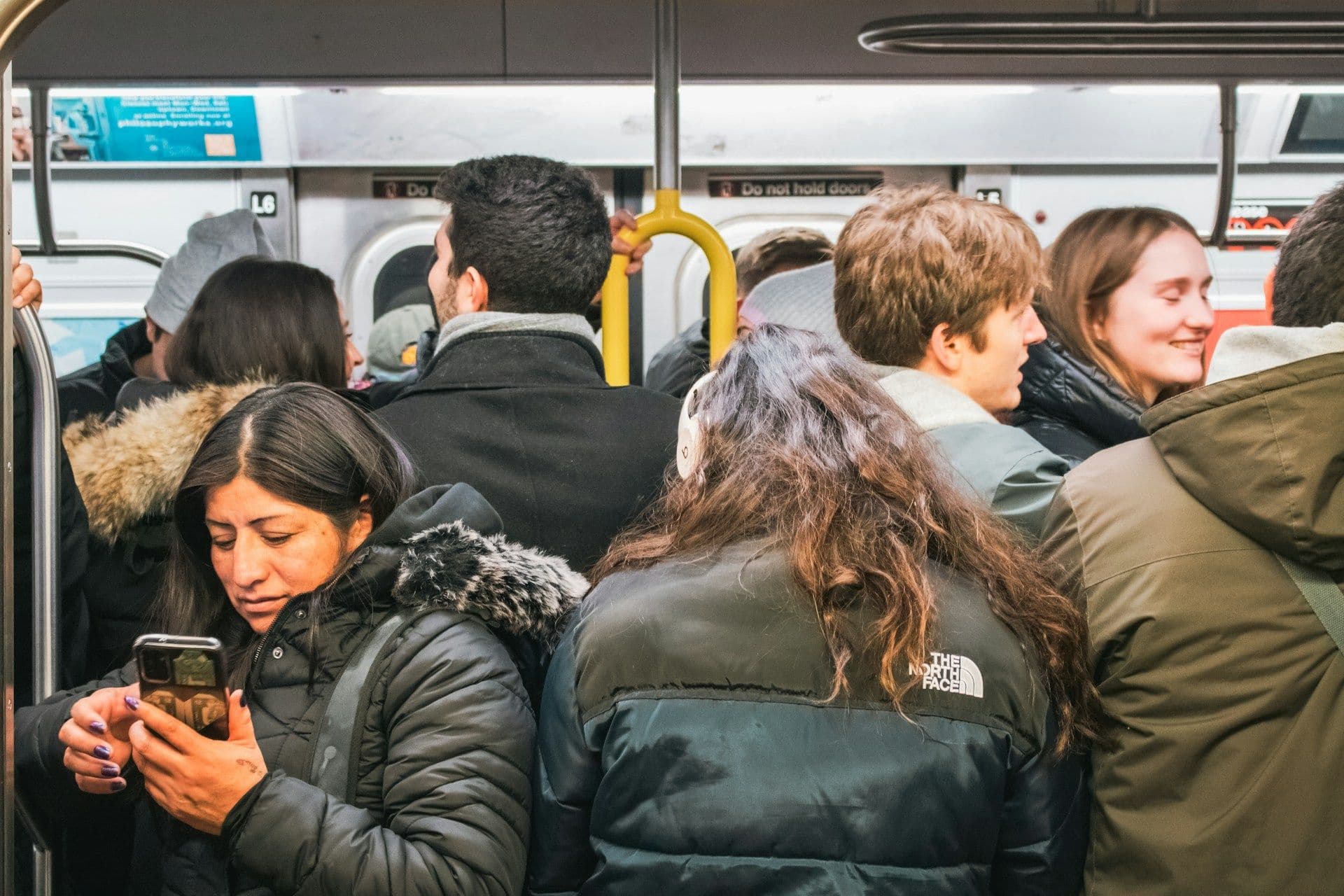
Zoshua Colah, Unsplash
Constant disruptions and overcrowded carriages on the Nancy–Metz–Luxembourg line prompted one passenger to come up with an unusual initiative. A Nancy resident named Matt launched the La Bétaillère (Cattle Truck) project, a website and Facebook page that uses irony and data to highlight the problems of cross-border transport.
The name reflects the feelings of many users: during rush hour, they say, the trains turn into "Bétaillère" — cattle cars. Matt had previously released humorous songs about the daily difficulties of this route, but decided to move on to a more practical tool. "I wanted to do something concrete with the website because nothing is changing — the problems remain," he explains.
The platform features an interactive map with real-time delay tracking and a section with statistics based on SNCF data. Since January, Matt has been monitoring 177 trains daily. According to his calculations, punctuality was only 53% on one of the last Mondays, while the average for January was 72%. The SNCF, which journalists contacted for official figures, was unable to provide detailed data on delays.
The author of the project believes that his calculations allow for a "balancing" of the statistics presented at the annual meetings of SNCF, CFL, the Luxembourg authorities and the Grand Est region. In his opinion, the official figures often appear overly optimistic and do not always take into account delays caused by problems on the neighbouring country's network.
The discussion focuses in particular on the Luxembourg–Bettembourg section, one of the busiest on the entire CFL network in terms of both passenger and freight traffic. CFL representatives acknowledge that high traffic intensity creates a bottleneck, especially during rush hour, which directly affects the reliability and regularity of trains. The construction of the new line should partially solve the capacity problem.
Matt is convinced that, in addition to infrastructure investments, better communication is needed — both with passengers and between France and Luxembourg. In the future, he plans to implement an algorithm to assess train occupancy. The idea is to enable passengers to see in advance which carriages have free seats or, conversely, to expect overcrowding due to the cancellation of a previous train. It is noteworthy that the author of the project himself does not have a specialised education in IT, but intends to develop the initiative further.