Luxembourg is seeking a balance between water conservation and the preservation of its urban parks
Colin + Meg, Unsplash
Ahead of the latest spell of extreme temperatures, the Luxembourg authorities have once again urged residents to conserve water, advising them to refrain from washing their cars and watering their private lawns. At the same time, municipal services are continuing to water flower beds and recently planted trees throughout the capital in a targeted manner. As Yann Thill, head of the city’s parks department, explains, the city cannot provide water to absolutely all green spaces; however, completely ceasing to care for young and ornamental plants would lead to their death. Replacing withered plants would require additional resources, which makes completely stopping watering impractical.
As a rare exception, drinking water is still used to maintain the rose garden in the municipal park next to the monument to Princess Amélie. However, the city authorities are endeavouring to minimise such practices. Infrastructure systems are already being established in various parts of the capital to collect rainwater all year round and put it to further use. Meanwhile, large open spaces such as Merl Park and the Kinnekswiss in the Edouard André Municipal Park, have been left without watering and are now noticeably faded. Many visitors take a pragmatic view of the parched grass, noting that in hot weather, the presence of large trees and shade takes priority over keeping the lawns green.
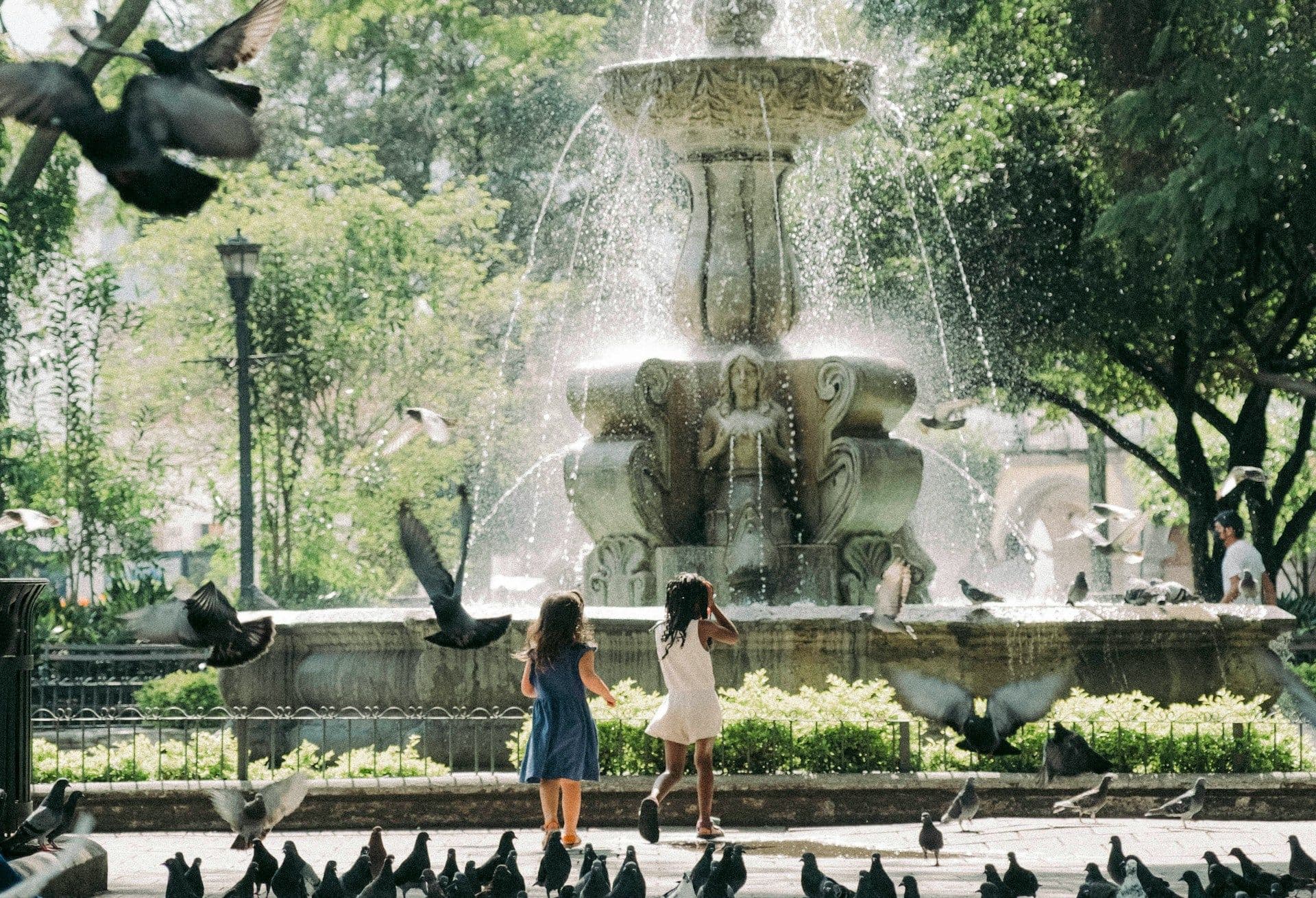
Unlike some other European cities, Luxembourg has no plans to switch off its fountains during periods of high temperatures. Water features, located in particular on Place Guillaume II, help to lower temperatures locally in open spaces and enable residents to cool down. In the long term, the Parks Department, which has a staff of 240, intends to introduce new irrigation technologies and continue systematically adapting urban spaces to a warmer climate. This strategy includes a review of the flora and the large-scale planting of perennials and trees with enhanced natural resistance to drought.