Luxembourg has submitted a new application to UNESCO
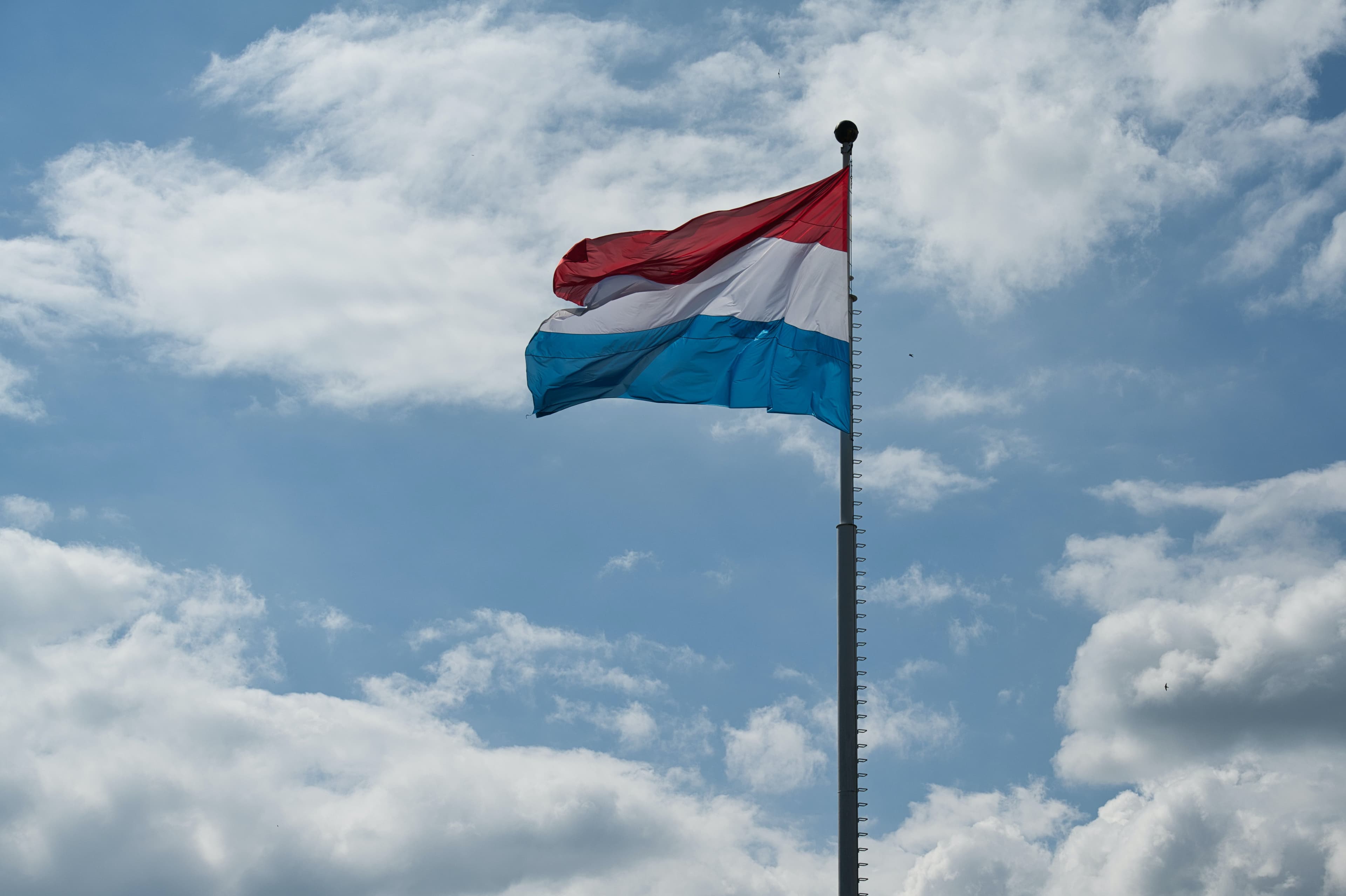
Photo by Gabor Koszegi on Unsplash
On 4 May 2026, a ceremony was held at the Slate Museum (Musée de l'Ardoise) in Haut-Martelange to launch the application for the local industrial landscape to be included on the UNESCO World Heritage List. The Minister for Culture, Eric Thill, signed a partnership agreement with the municipality of Rambrouch and the museum’s management, thereby officially moving the project into the international nomination phase.
The project aims to have the site included on the preliminary national list, which is a necessary legal step prior to the international organisation’s consideration of the application. Eric Till emphasised that the initiative goes beyond the preservation of history: it serves as a tool for regional development and cultural democratisation. According to the ministry’s estimates, UNESCO status will attract investment and boost the region’s appeal to tourists far beyond its borders.
The site at Haut-Martelange offers a unique insight into the interplay between human activity and geology, spanning over 200 years of industrial exploitation of the shale deposits. Following the site’s acquisition by the state in 2003 and its designation as a historic monument, extensive restoration work was carried out on the site. A key stage in the preparation of the nomination was the opening in 2022 of the ‘Johanna’ underground route, which enabled the integration of authentic mine workings into a modern museum space.
Despite the monument’s industrial character, the nomination emphasizes sustainable development and the preservation of “living knowledge”—the artisanal skills of stoneworking—which are passed down through the association “Friends of Slate” (Les Amis de l'Ardoise). The National Institute for Architectural Heritage (Institut national pour le patrimoine architectural — INPA) coordinates the architectural and research work. Inclusion on the UNESCO list is intended to cement Luxembourg’s contribution to the preservation of European industrial landscapes, while simultaneously promoting a model of high-quality educational tourism.