
Hogweed takes over Luxembourg
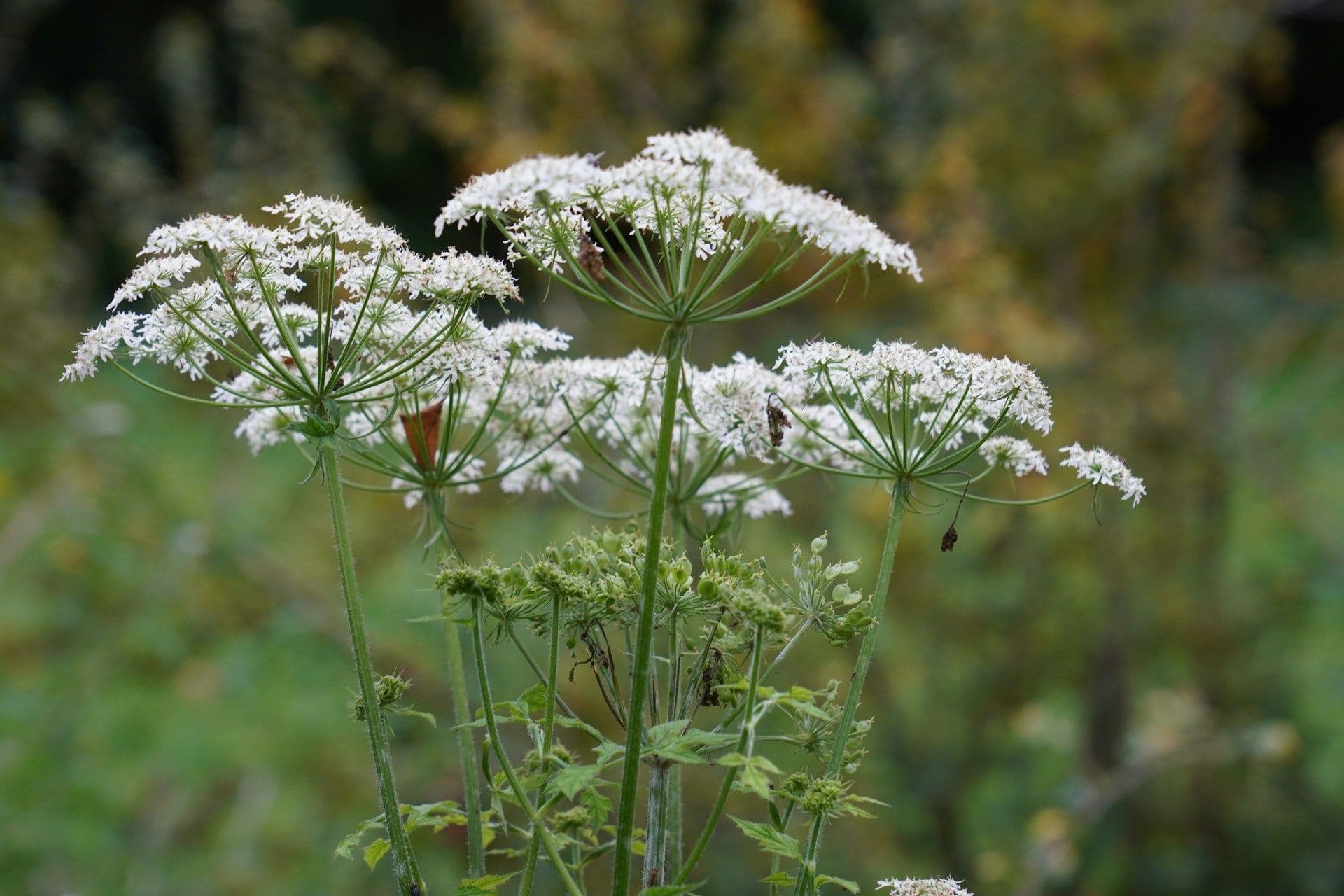
Isabella Struck, Unsplash
This season, the Luxembourg authorities have expressed particular concern about the early flowering of Sosnowski’s hogweed — a plant that appears ornamental at first glance but poses a serious threat to public health. According to Paul de Jager, vice-president of the Luxembourg Hiking Federation, the country’s residents often underestimate the danger, mistaking the hogweed for the harmless spotted hemlock. This misidentification has serious consequences: last year, two adults and a child were hospitalised with severe skin lesions.
The main danger posed by the plant lies in the phototoxicity of its sap. If it comes into contact with the skin, it strips cells of their protection against ultraviolet radiation, which, when exposed to sunlight, can cause burns of up to the third degree. Such wounds heal extremely slowly and require specialist medical treatment. Meanwhile, over the last five years, the problem has become widespread due to the weed’s abnormally rapid spread. Experts note that hogweed is taking over new territories 100 times faster than native plant species.
The main areas where the plant is spreading are roadsides, riverbanks, meadows and private gardens. It is worth noting that certain types of bird feed have become a channel for seed dispersal, which is contributing to the appearance of this poisonous giant even in well-maintained parkland. Experts at the Haute-Sûre Nature Park emphasise that the plant is extremely hardy and actively colonises rubbish dumps and wasteland, creating impenetrable thickets.
The Luxembourg Hiking Federation strongly advises members of the public not to attempt to remove the weed themselves. Even experienced gardeners often sustain injuries when mistaking hogweed for ordinary weeds and failing to use protective equipment. To safely remove this dangerous plant, you should contact the specialist agency Neobiota or the experts at the EFOR-ERSA office, who have the necessary equipment to eradicate the plant. Hikers and those enjoying walks in the woods are urged to be particularly vigilant in the Ehlerange area and other remote parts of the country, where this invasive species is most commonly found.