
Schoolchildren in Luxembourg are learning how to save lives
Getty Images
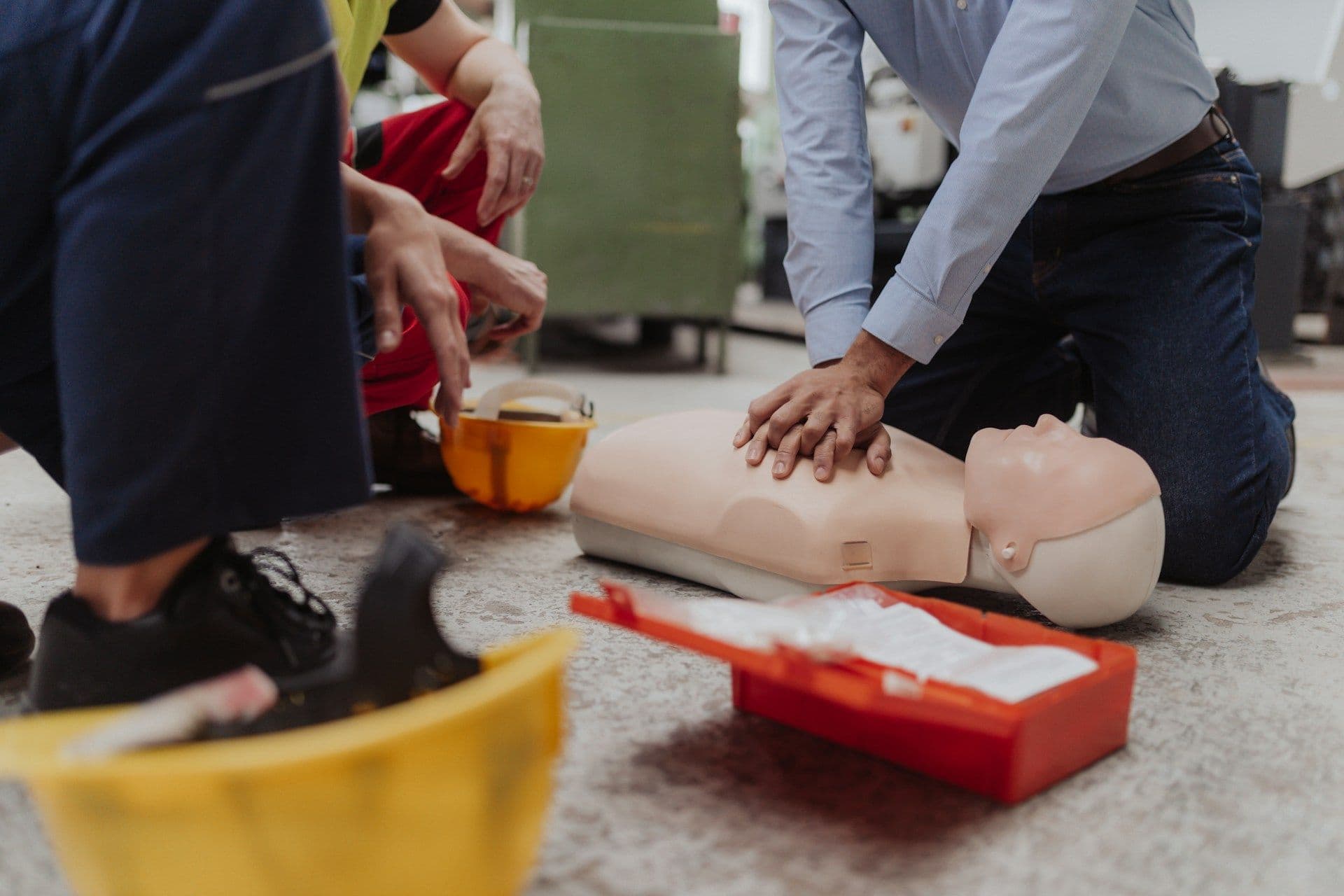
Primary schools in Luxembourg are increasingly offering first-aid courses. According to research, teaching these skills to large numbers of teenagers could prevent more than 100,000 deaths each year across Europe. Instructor Jeff Herr emphasises that the emergency services are physically unable to arrive within the first few minutes following an accident or a sudden deterioration in a person’s condition. It is precisely this period of time that is critically important, which is why the main task of a trained individual is to keep the casualty alive until the ambulance crew arrives.
This year, an educational institution in the municipality of Steinfort has incorporated such lessons into its core curriculum for the first time. As the mayor of the municipality, Sammy Wagener, notes, pupils acquire basic knowledge during Cycle 3.2, and then complete eight hours of practical training in stages 4.1 and 4.2. As a result, the children accumulate a total of sixteen hours of specialist training before moving on to secondary school in Luxembourg.
Although the course content is identical to that of the programme for adults, the teaching methods have been adapted for younger children. At the same time, according to Jeff Herr’s observations, teaching children has some less obvious advantages. In particular, they ask fewer questions and act much more quickly in situations where every second counts. If a child is explained the need for cardiopulmonary resuscitation and given a training manikin, they immediately begin the procedure. Adults, by contrast, often hesitate due to a lack of confidence in their own abilities or a fear of breaking the patient’s ribs. Pupils who have successfully mastered this new skill will receive official certificates on 10 July, confirming their readiness to take the correct action in an emergency.