
The oak processionary caterpillar has taken over the capital’s parks
© Futura Sciences/RTL
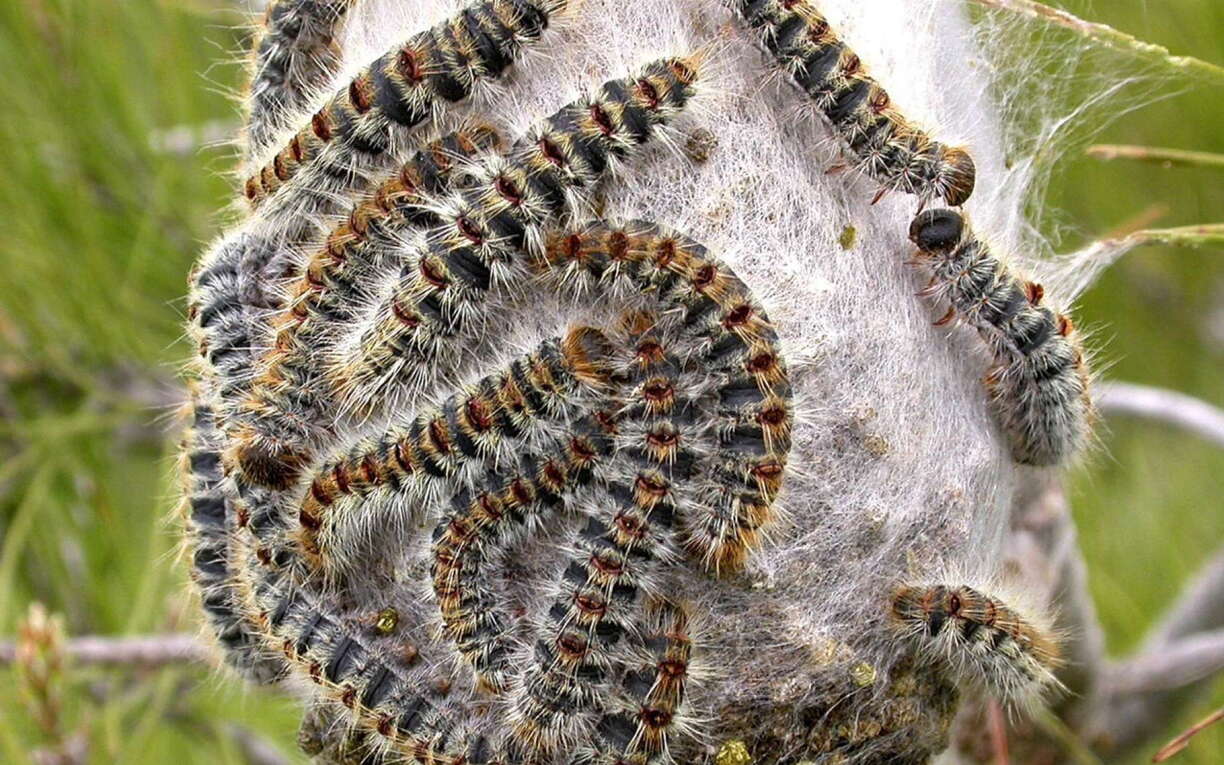
Over the past two months, the Luxembourg authorities have removed around 180 nests of the oak processionary caterpillar from trees. According to Jimmy Gales of the municipal parks department, this figure is many times higher than last year’s, when fewer than 25 nests were removed. This rapid proliferation of the insects is directly linked to the high spring temperatures, which have created ideal conditions for their spread. The highest concentration has been recorded in the Cessange area, where 54 nests have already been removed from oak trees, and around 20 more clusters are still awaiting removal.
At the same time, the peak of the threat to the public is gradually beginning to subside. The oak processionary caterpillar poses a danger only during the third larval stage, which occurs between May and June. It is at this time that the caterpillars become covered in protective hairs containing a toxin that causes a reaction similar to a nettle sting. These microscopic hairs can trigger severe allergic reactions in both humans and animals. The situation is exacerbated by the fact that the hairs are easily carried by the wind and can enter the respiratory tract or the eyes. In the event of contact, experts recommend immediately rinsing the affected area of skin or taking a shower. Between late July and early August, the insects will enter the pupal stage, after which they will emerge as butterflies.
Until the dangerous period has passed completely, Jimmy Gales urges members of the public to exercise caution and keep a safe distance from trees harbouring insect colonies. Under no circumstances should you attempt to remove the nests yourself — if you spot one, you must immediately inform the local authorities, who will promptly carry out the removal.
In light of global warming and the predicted rise in summer temperatures, the Luxembourg authorities expect the number of infested trees to increase further in the coming years. The city authorities are actively consulting with neighbouring municipalities to develop joint countermeasures. As a preventative measure, additional artificial nesting boxes for titmice are being installed locally, as they are one of the few bird species that feed on these caterpillars. At the same time, environmental agencies are considering the possibility of replacing common urban tree species with oak varieties that are naturally resistant to silkworm infestation.