Asian hornets pose a threat to the ecosystem
Vishal Patel, Unsplash
An invasive species of Asian hornet continues to spread across Luxembourg, causing concern amongst biologists due to the direct harm it causes to bee populations and overall biodiversity. These insects were first detected in France in 2004, having been transported there in freight containers from Asia. Thanks to a gradual rise in average temperatures, the species has now successfully established itself in Luxembourg as well.
The main problem is that Asian hornets specifically prey on honeybees and bumblebees. Nick Heiter, a researcher at the biological station of the Syndicate for Environmental and Nature Conservation (SIAS), notes that these predators are disrupting the local ecological balance. According to him, hornets use local pollinators to feed their larvae. The threat increases significantly in late summer, when hornet colonies reach their maximum size and require more food. At the same time, local pollinating insects are already under severe pressure due to the use of agricultural pesticides and the loss of natural habitats.
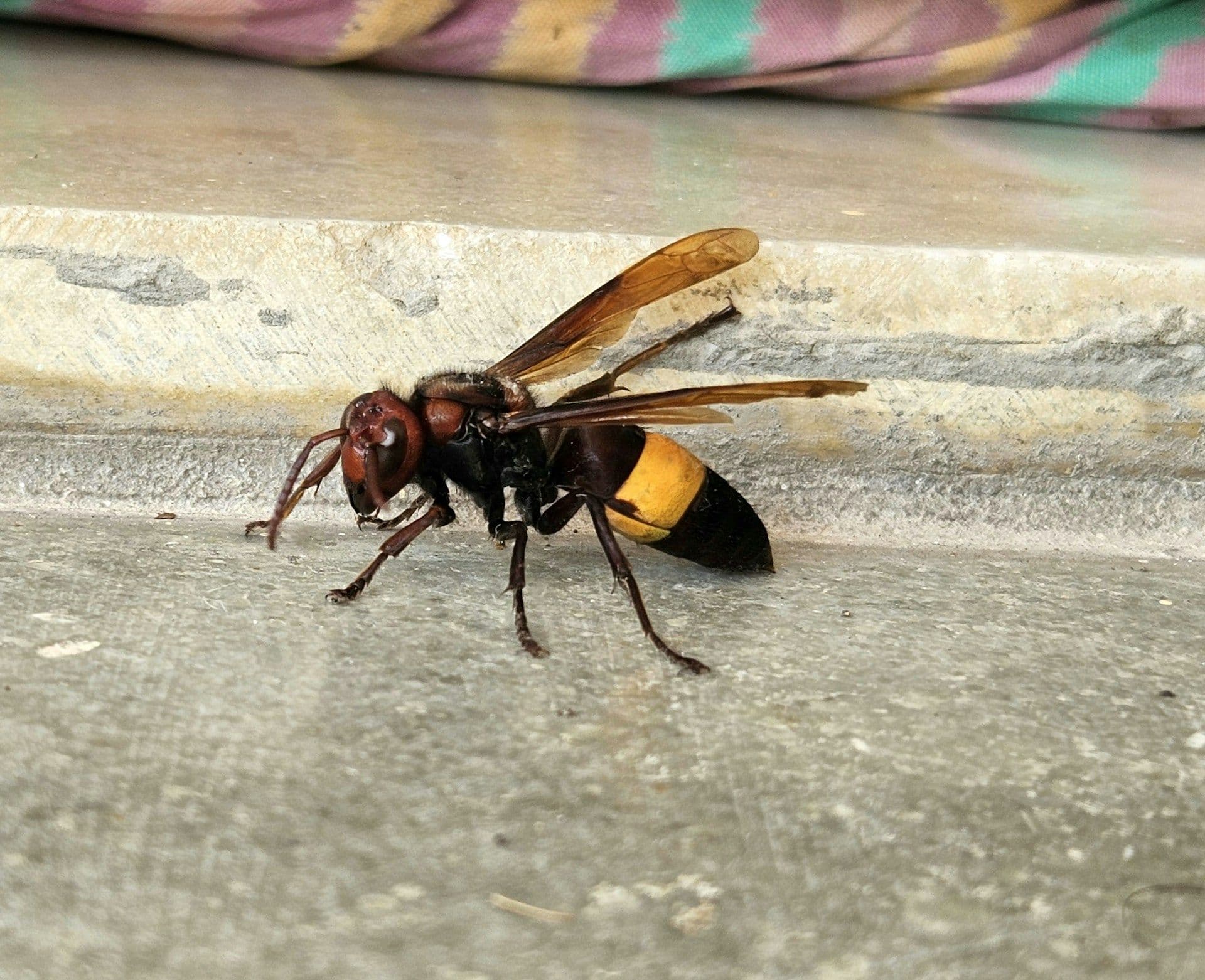
In appearance, the Asian hornet is slightly smaller than the native European species. Nick Heiter explains that the key distinguishing feature of this invasive insect is its yellow legs. In addition, they have a yellow-orange front part of the head, and their body is dark brown or black in colour with a distinctive orange stripe on the abdomen. By comparison, European hornets are predominantly yellow-brown in colour, rather than black and orange.
Despite their physical ability to sting people, Asian hornets do not display greater aggression than native species. Nevertheless, experts urge people to exercise extreme caution near their nests, as the insects actively defend their territory against any external intrusion. Residents who discover a colony are advised to contact the relevant agency (SIAS) or local council immediately. To cover the costs of nest removal services provided by specialist companies, members of the public can apply for a grant via the government platform MyGuichet.