Farmers are burning down vineyards because of a bacterium
Lukáš Kulla, Unsplash
The detection of Xylella fastidiosa, also known as the ‘fire bacterium’, in Luxembourg’s vineyards has caused serious concern amongst the authorities: three out of 140 samples collected tested positive. As Monique Faber, head of department at the Agricultural Technical Services Agency (ASTA), explained, this pathogen has previously caused significant damage to the natural environment in Southern Europe, but this is the first time it has been recorded in this region. Experts are currently analysing the bacterium’s genetic material to compare it with European strains and trace the routes of infection. According to the leading theory, local cicadas may have carried the pathogen from infected Mediterranean plants — such as small olive trees, which are often grown in private gardens.
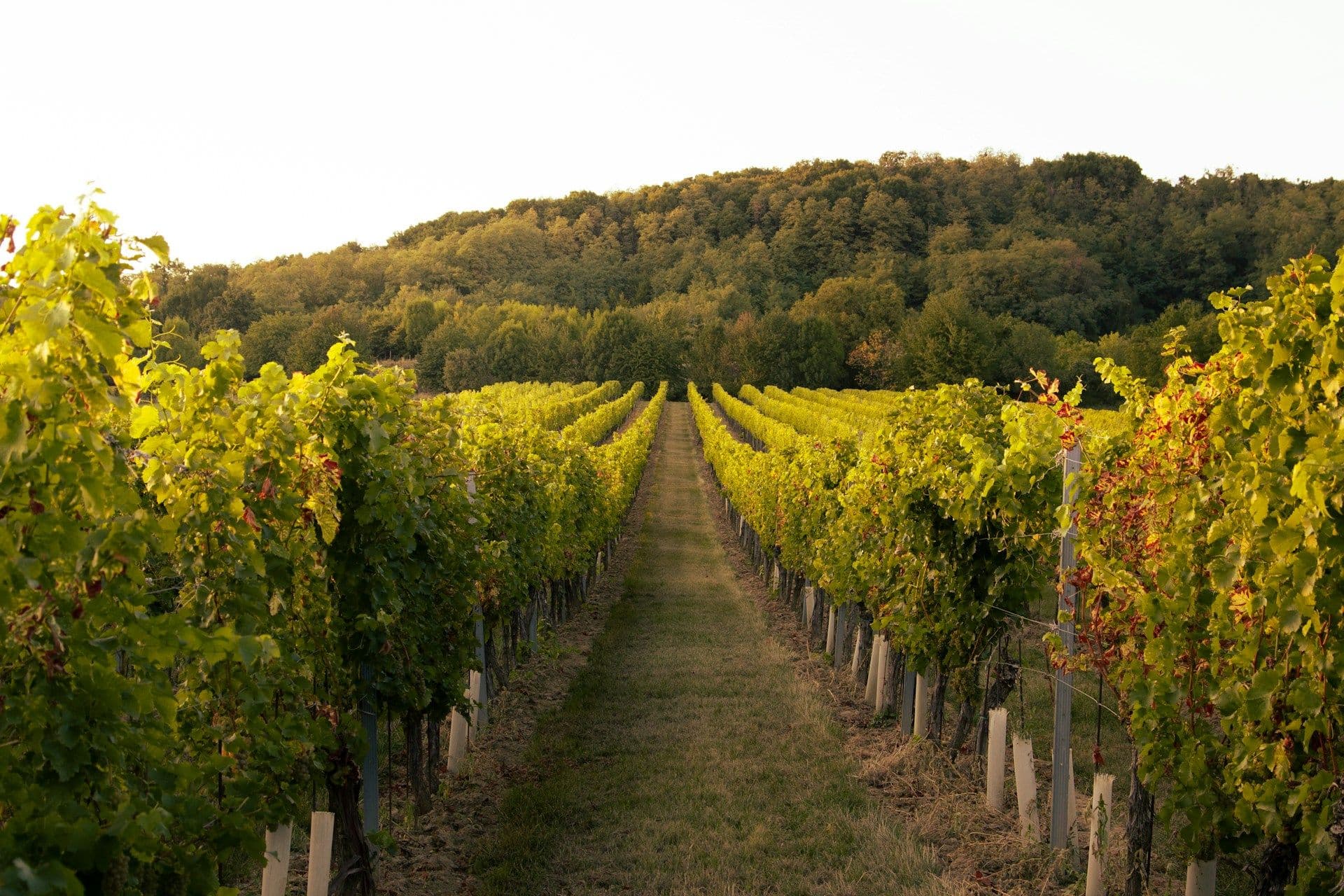
Due to the risk of the disease spreading further in one of the vineyards situated along the River Sûre, opposite the village of Miesenech, there are plans to completely clear the vines. The bacterium is capable of infecting a wide range of host plants, including blackberries, elderberries and maple trees. The Minister for Agriculture, Martine Hansen, emphasised that around 21 million olive trees had previously been destroyed in southern Italy due to this pathogen. In accordance with European Union regulations, confirmation of the infection requires the immediate removal of all vegetation within a 50-metre radius of the outbreak, as well as the introduction of enhanced monitoring within a 2.5-kilometre radius of the infected site.
As there are no means of directly treating infected plants, the authorities are forced to take drastic measures. Affected areas are treated with insecticides to destroy active cicada vectors, whilst infected plant material will be burnt on site within the vineyard to contain the outbreak. The relevant authorities note that ‘fire blight’ is extremely aggressive towards plants, but poses no direct danger to human or animal health, nor does it affect the quality of the wine. Nevertheless, the public is strongly advised to avoid visiting affected areas so as not to contribute to the further spread of the pathogen.