
Luxembourg's wine sector on the brink of an epidemic
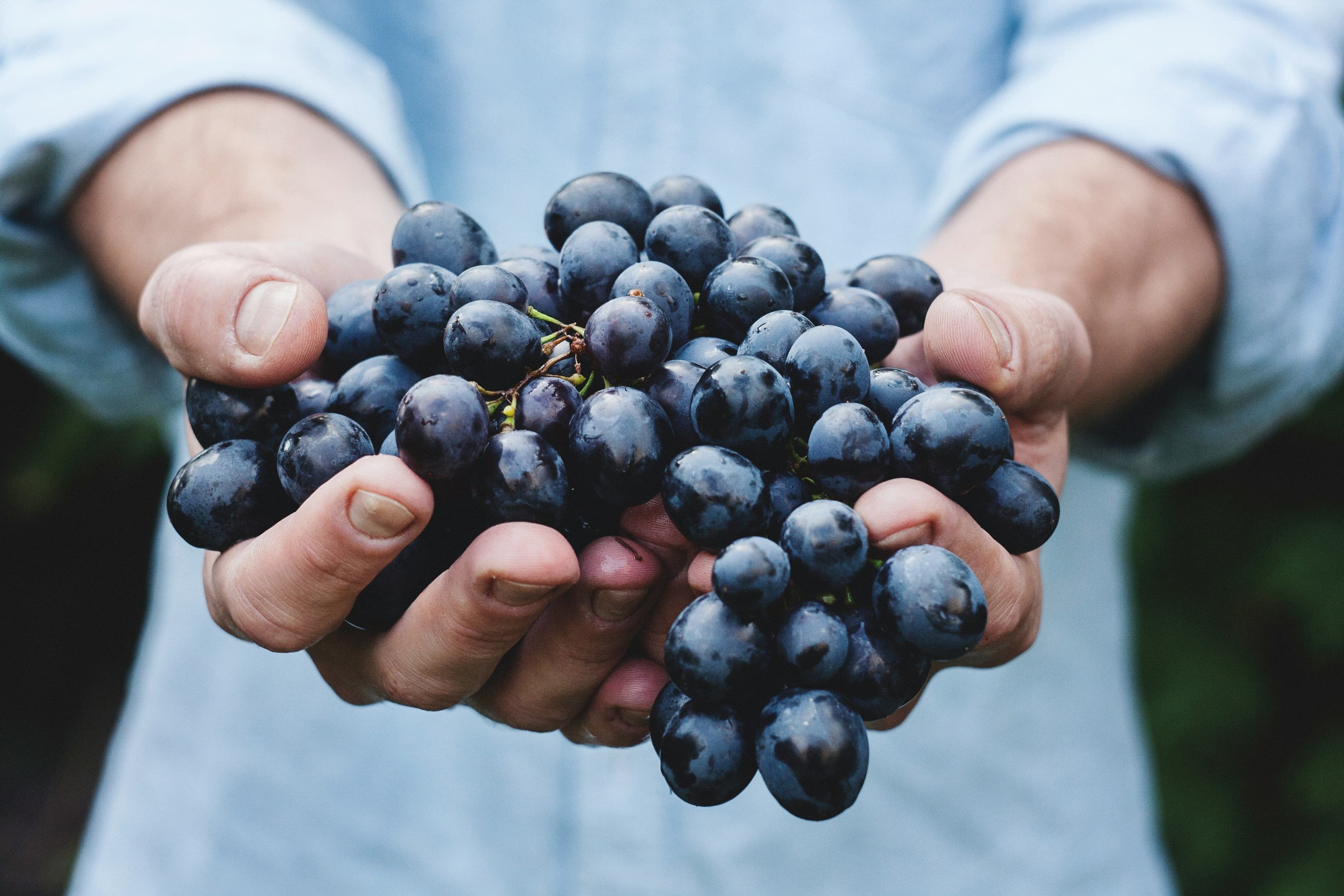
Maja Petric, Unsplash
While Hungarian vineyards are dying en masse and an alarming wave of infections is sweeping across France and Germany, a precarious balance remains in Luxembourg. The disease, known by the poetic but ominous name flavescence dorée - "golden wilt" - is one of the most serious threats to European viticulture in recent decades. It is incurable, transmitted by the insect Scaphoideus titanus and causes the death of vines.
According to Serge Fischer, director of the Institute of Viticulture and Winemaking, Luxembourg has been continuously monitored for ten years. So far, neither the pathogen nor the vector has been detected in the country. But, as the expert admits, it is "a matter of time". The disease is already moving rapidly towards Champagne, i.e. literally to the doorstep of the Grand Duchy.
The main channel of potential infection is young seedlings imported from abroad and rootstocks (base plants on which varietal grapes are grafted). To reduce the risk, experts resort to the so-called thermotherapy - "hot water treatment", which can destroy the pathogen in its early stages. But such a measure is only effective if applied universally. Fischer emphasises that it is not enough to do this only in Luxembourg, as the insect vector can travel across the Moselle River. Coordinated action with French and German farmers is necessary.
The situation in Hungary is particularly worrying because of the large number of abandoned vineyards that have become hotbeds of infection. A new draft law in Luxembourg envisages a ban on turning vineyards into uncultivated plots. If the owner refuses to uproot the vines, the state will be able to do so by decision of the authorities.
Even with the regulatory framework in place, flavescence dorée control remains a costly and disciplined process. If an infestation is detected, the vines must be immediately uprooted and neighbouring plots treated with insecticides. This is a painful but necessary step.
There is another obstacle: diagnosis. The disease in its early stages is difficult to distinguish from another disease, the so-called bois noir, and laboratory analyses are complex and resource-intensive. A number of countries have responded with the harsh tactic of mass uprooting at the slightest suspicion.