Luke Frieden: ‘The real crisis is yet to come’
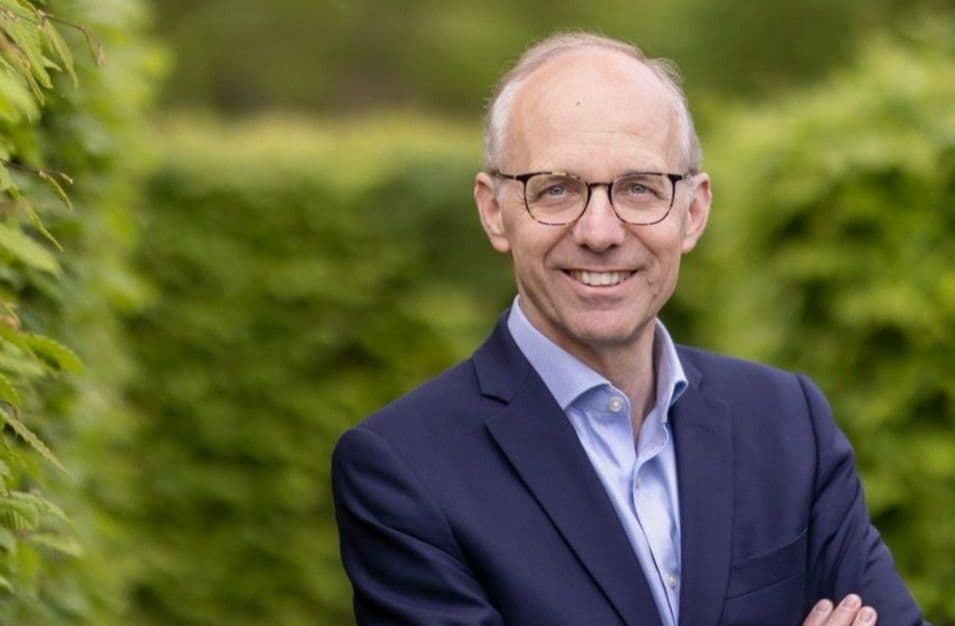
Source: Luc Frieden Facebook page
During parliamentary debates held on Tuesday, Prime Minister Luc Frieden defended his cautious stance ahead of the upcoming ‘tripartite’ negotiations between the government, trade unions and employers. The Prime Minister confirmed the schedule of meetings: separate consultations with the social partners will take place on 6 May, and an extended meeting involving experts from the energy sector and specialists from the National Institute of Statistics and Economic Research (Statec) will be held on 12 May. The main phase of negotiations is scheduled for early June.
Despite persistent calls from MPs to clarify the agenda, the Prime Minister refused to give specific answers. Sam Tanson, an MP from the Green Party (déi gréng), sought to ascertain whether the discussions would be limited to rising energy prices or would also address issues of housing, unemployment and poverty. Frieden countered that setting a rigid agenda in advance of consultations with partners would be counterproductive. He cited the geopolitical context, in particular the conflict in Iran and its consequences, as the main trigger for convening the talks.
At the same time, the Prime Minister faced fierce criticism regarding the motives behind the decision. LSAP MP Georges Engel stated that the decision to convene the assembly was not driven by Friden’s convictions, but by mounting pressure from the opposition and even from some ministers within the cabinet itself. Carole Hartmann, leader of the parliamentary group of the Democratic Party (DP), a member of the coalition, did not deny that ministers from her party had indeed urged the Prime Minister to take this step.
Responding to a question from the Socialists about the current state of affairs, Luc Frieden emphasised that ‘the real crisis may still lie ahead’. This forecast echoes the concerns of leaders in other European countries. The Prime Minister warned of a potential significant supply shortfall, particularly in the petroleum products sector, should the Strait of Hormuz remain closed for an extended period. According to him, the country must be prepared for any possible scenario.
Whilst most parties supported the need for dialogue, the ADR, represented by Fred Keup, opposed negotiations at this stage. Instead of discussions, the party demanded an immediate reduction in fuel excise duty of 10 cents per litre. However, Laurent Zeimet, representing the CSV, supported the Prime Minister’s approach of thorough preparation for potential upheavals.