
Students oppose social media ban in Luxembourg
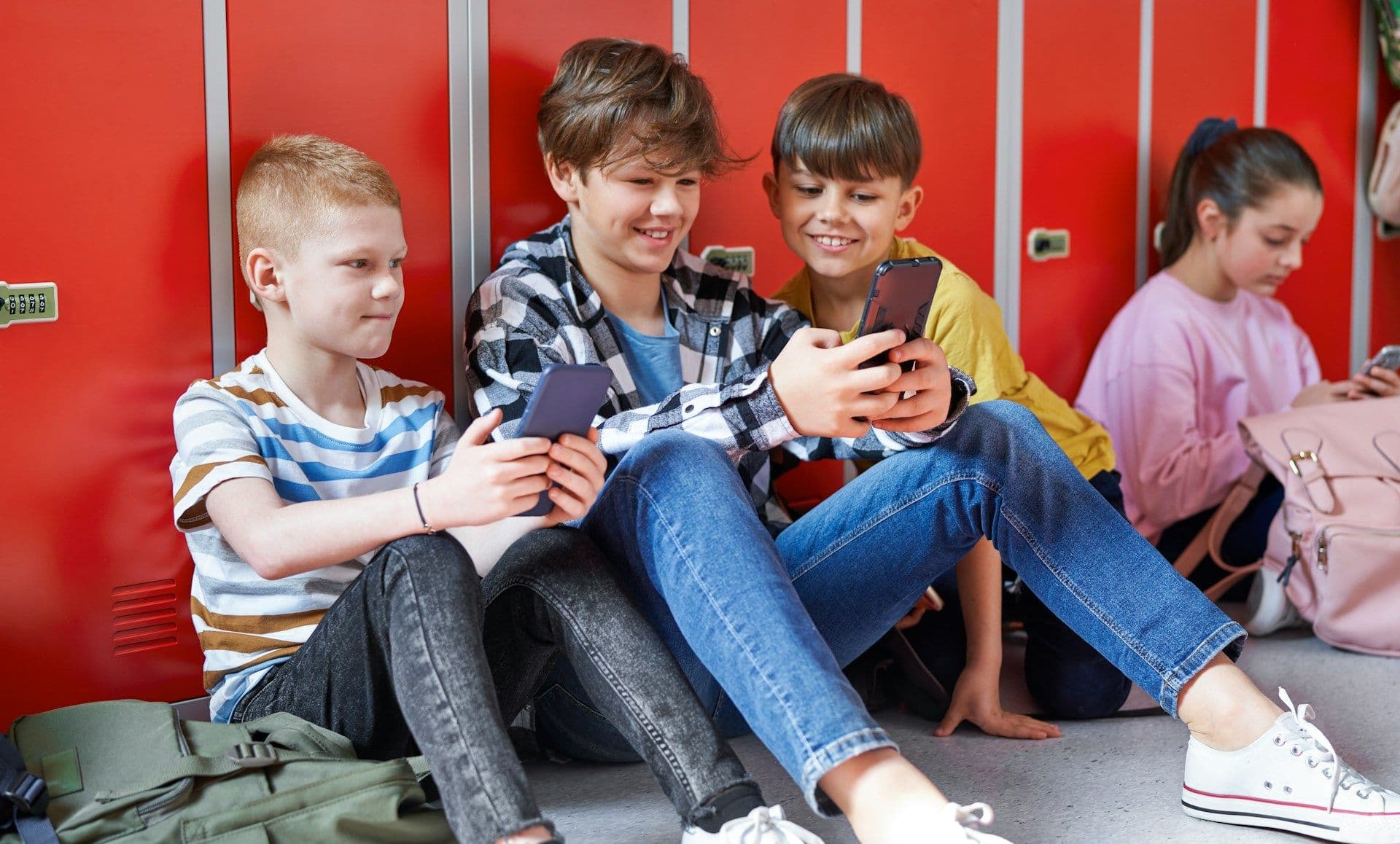
Getty Images
The National Conference of Luxembourg Students (CNEL) has criticised proposals to introduce a minimum age of 16 for access to social media, stating that such a measure would effectively be a ban and would not solve the problems of the digital environment. The position is set out in the organisation's official conclusion amid discussions of a possible Europe-wide standard.
CNEL acknowledges that the goal of "strengthening the protection of minors" is "legitimate and necessary." However, according to the students, a universal age barrier is a simplistic answer to a complex question. Social media, the organisation emphasises, has become an integral part of young people's daily lives, providing a space for communication, self-expression and participation in public debate.
At the same time, CNEL does not ignore the risks. These include excessive use and the development of addictive behaviour, mental health issues, cyberbullying, the spread of misinformation, and threats to personal data protection. Particular attention is paid to algorithms that "purposefully maximise attention" from users and can reinforce problematic behaviour patterns.
Despite this, the organisation believes that a ban until the age of 16 will only delay teenagers' exposure to digital risks without providing them with the necessary skills for responsible media use. Furthermore, CNEL points to the technical vulnerability of strict age checks: they are easy to circumvent, which calls into question the effectiveness of the regulation.
The blurred boundaries between social networks, information services and video platforms create additional complexity. Without a clear definition of what exactly falls under the category of "social network," any legislation risks creating legal uncertainty and practical difficulties in application.
Instead of prohibitive measures, CNEL proposes four priority areas. First, the systematic introduction of media education in schools, including understanding algorithms, recognising disinformation and protecting personal data. Second, raising awareness among parents and teachers so that they can support teenagers in the digital environment. Thirdly, strengthening the regulation of the platforms themselves, especially in terms of manipulative design. And finally, developing realistic age verification mechanisms that do not turn into a hidden ban.