
Almost half of the EU's electricity comes from renewable sources
Zbynek Burival, Unsplash
In 2024, European energy crossed a symbolic milestone: 47.5% of gross electricity consumption in the EU came from renewable sources. According to Eurostat, this is 2.1 percentage points higher than a year earlier and almost 30 points higher than the level at the start of observations in 2004, when the share of green generation was only 15.9%.
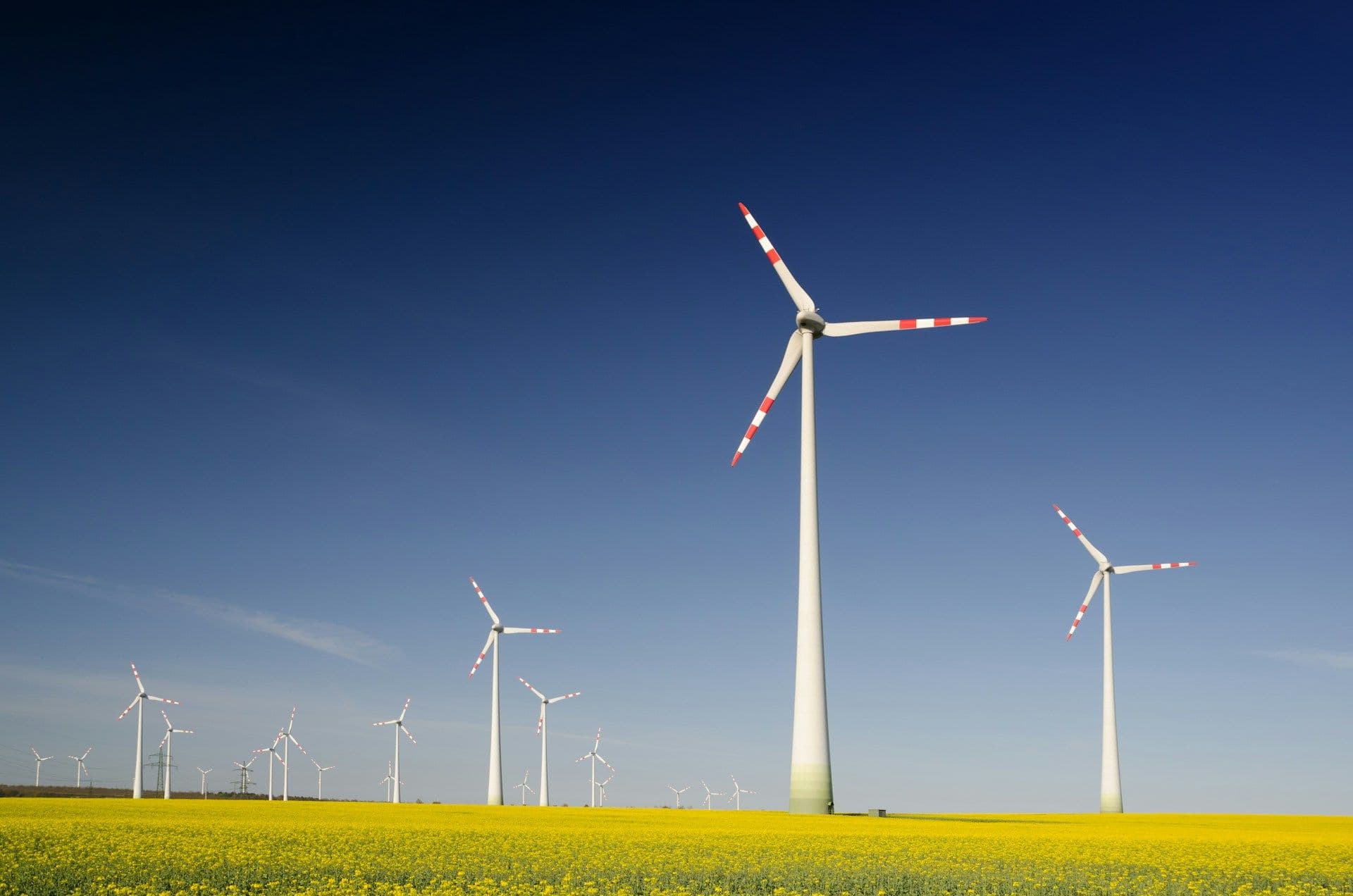
If we look at the structure of this transformation, it becomes clear that we are not talking about a single source, but a complex mosaic. Wind provided 38% of all renewable electricity, while hydropower provided 26.4%. Together, they accounted for almost two-thirds of green production. Solar energy ranked third with a share of 23.4%, but it was the main driver of growth: from 7.4 TWh in 2008 to 304 TWh in 2024. By comparison, in 2008, solar energy accounted for only 1% of renewable electricity, whereas today it is already comparable in importance to hydropower in a number of countries.
At the national level, the picture is even more contrasting. More than 75% of electricity in 2024 was produced from renewable sources in Austria (90.1%), Sweden (88.1%) and Denmark (79.7%). Here, natural conditions and long-term policy have worked in unison: hydropower dominates in Austria, a combination of water and wind in Sweden, and wind primarily in Denmark. Portugal, Spain, Croatia, Latvia, Finland, Germany, Greece and the Netherlands also rose above 50%.
At the same time, the gap between the leaders and the outsiders remains. In Malta, the share of renewable electricity was only 10.7%, in the Czech Republic – 17.9%, and in Luxembourg – 20.5%.
It is also important how Eurostat calculates these indicators: data on hydro and wind energy are "normalised", i.e. weather fluctuations over several years are smoothed out. As a result, the growth reflects structural changes in the energy sector rather than a favourable combination of rain and wind. In some countries, such as Norway and Iceland, the share of renewable sources may even exceed 100%, as they produce more green electricity than they consume and export the surplus.