Cargolux rescues bile bears
Dilip Poddar, Unsplash
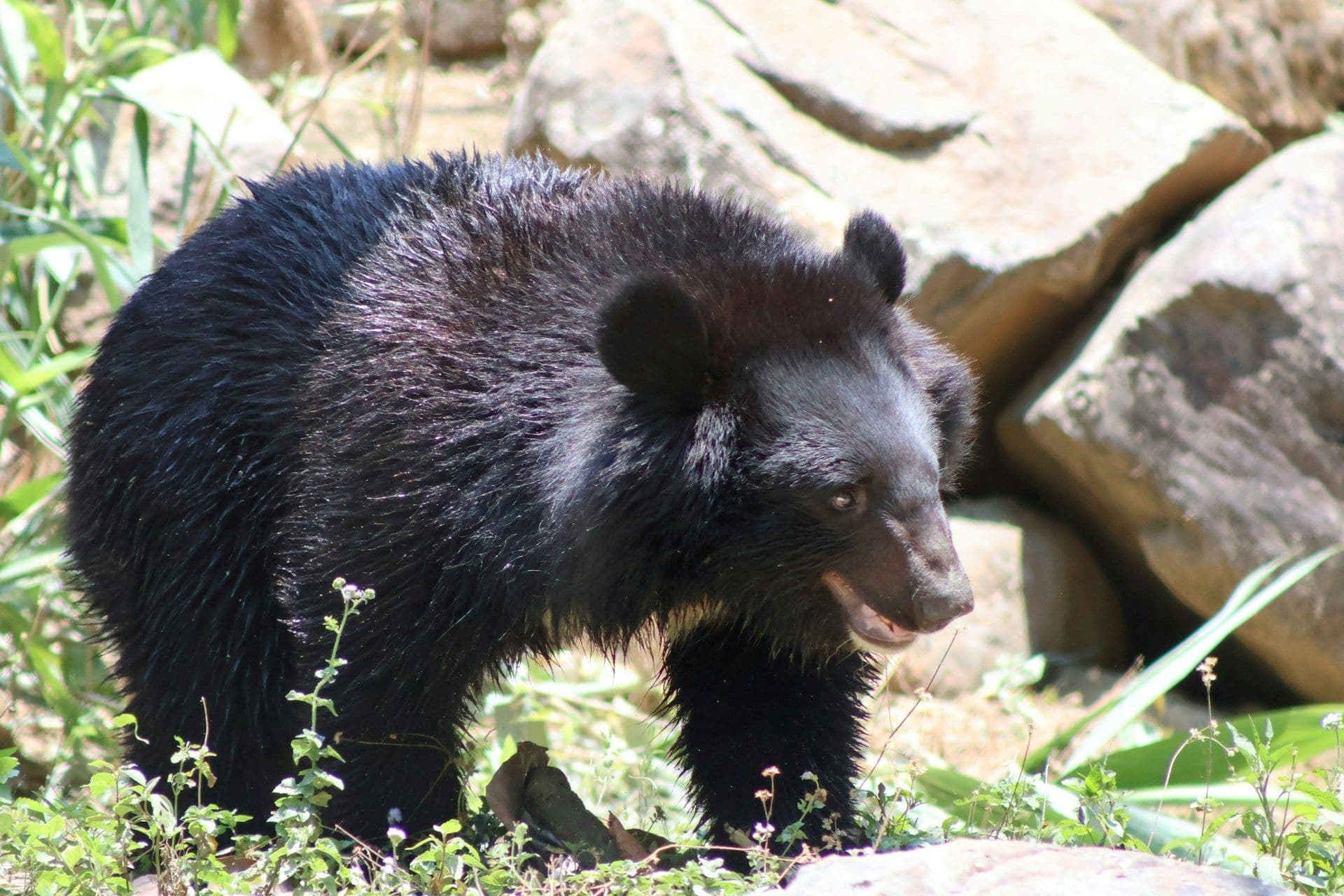
The cargo airline Cargolux has completed a logistics operation to transport six bile bears to Denmark. Although the airline has previously taken part in rescue missions, this flight marked the first time in history that bile bears have been transported to Europe. For many years, these animals were kept in cramped cages on South Korean farms, where they were subjected to exploitation. Several months ago, they were rescued and placed in rehabilitation centres to prepare them for life outside captivity.
The transcontinental journey, spanning several thousand kilometres, included a flight to Luxembourg, after which the bears were transported by land on 19 June to the Danish safari park Knuthenborg. On arrival, the animals underwent a mandatory three-week quarantine under the strict supervision of veterinary staff, who monitored their acclimatisation. Last Thursday, the first two bears were let out into their new 23,000-square-metre open-air enclosure for the first time. The enclosure features a large number of trees and a lake, allowing the animals to fulfil their natural behavioural needs.
The rescue operation was prompted by the entry into force of an official ban on bear breeding in South Korea in early 2026. This decision followed a long-running campaign by animal rights activists. As a result of the change in legislation, there are now more than 100 confiscated bears in Korean temporary holding centres. In light of this, international animal welfare organisations, including Bears in Mind, are actively seeking permanent sanctuaries capable of providing the animals with the necessary living conditions.
Bear bile is considered an important component in traditional Eastern medicine. The animals are usually kept in cramped cages, with bile constantly being extracted from them via a catheter. As a result, the bears themselves often suffer from serious health problems, including liver cancer.