Luxembourg is no longer the ‘European petrol station’
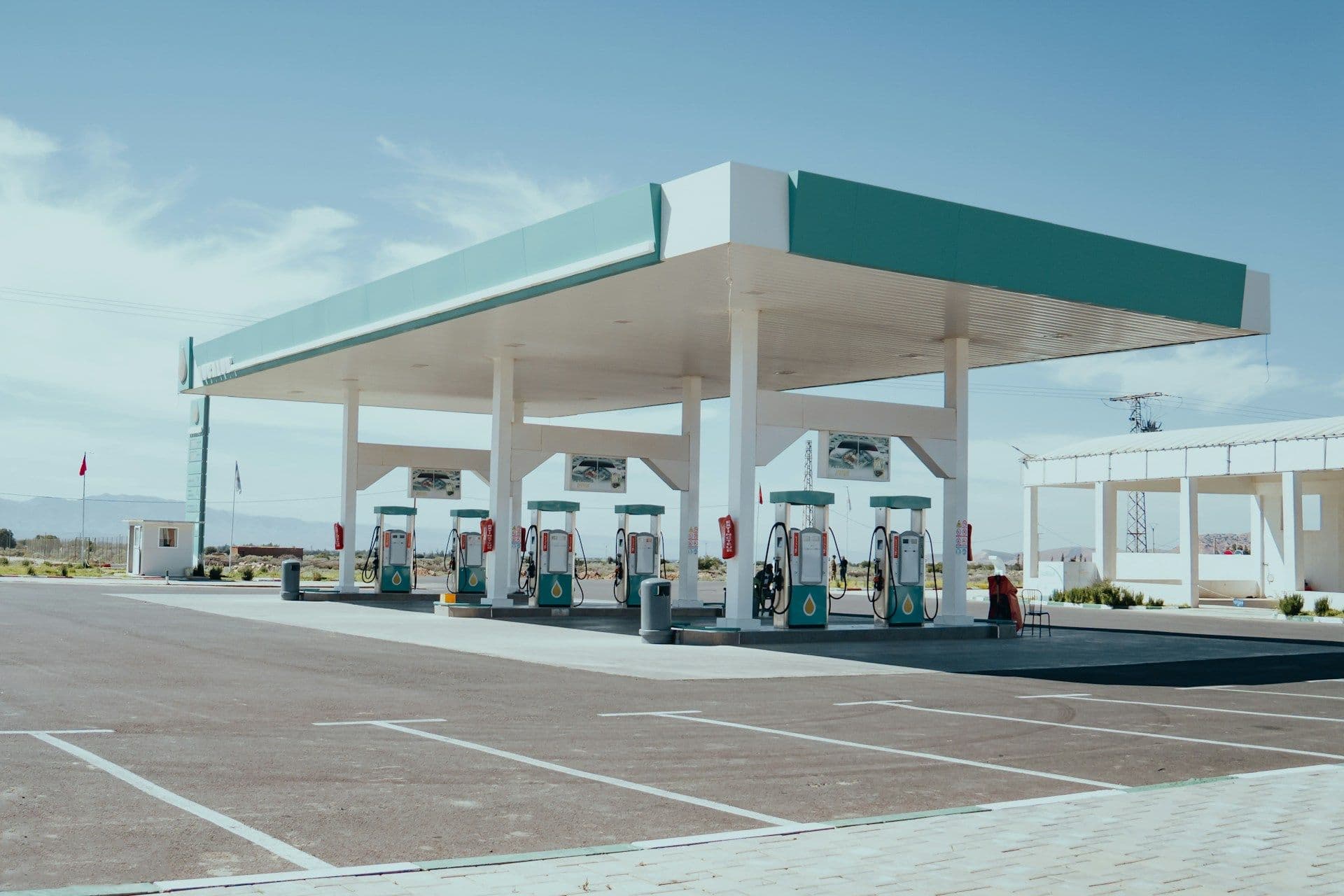
Mohamed Elwaid, Unsplash
Since the summer of 2024, fuel prices at petrol stations across Europe had been falling steadily, apart from minor fluctuations. However, the situation changed dramatically at the end of February, when US military action against Iran triggered a sharp rise in energy prices. A key factor in this instability was the deterioration of the situation in the Strait of Hormuz — a vital logistics artery through which around 20 per cent of the world’s hydrocarbon trade passes.
Although Luxembourg has traditionally stood out for its comparatively low fuel prices in the region, the country has proved to be among the European Union member states hardest hit by the crisis. Whilst fuel prices in the country rose by 15 per cent in March, they jumped by 33.8 per cent in April. This was the highest rate in the entire EU, outpacing even the price trend in France, where the increase stood at 29.3 per cent.
In the months that followed, the trend of accelerating price rises in the Grand Duchy continued. In May, fuel prices rose by 32.2 per cent, second only to Bulgaria’s 33.9 per cent increase, whilst the European Union average stood at 20.7 per cent. By June, the rate of price growth in Luxembourg had fallen to 20.7 per cent, though it still significantly exceeded the European average of 13.7 per cent.