Negotiations on the European Union budget have reached an impasse
alexanderjungmann, Pixabay
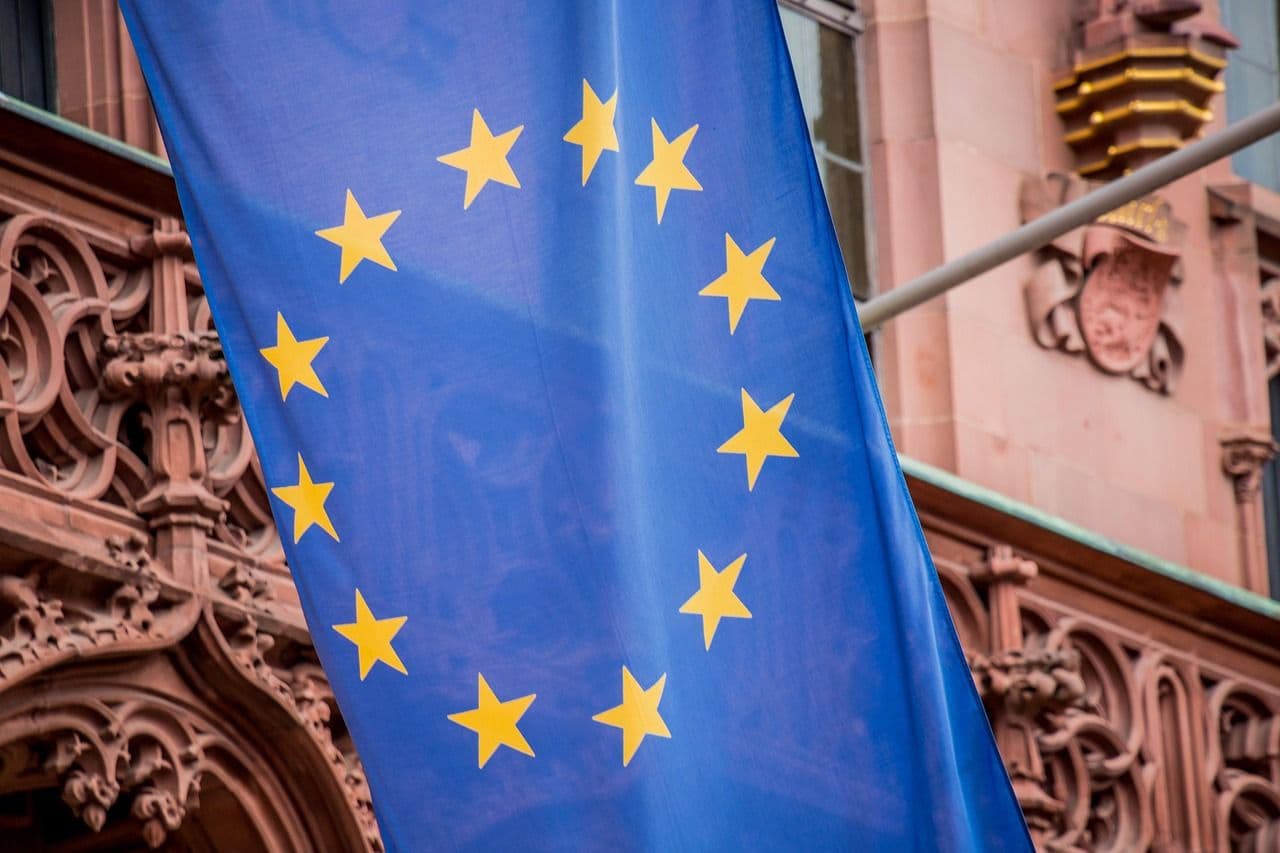
The summit in Brussels failed to achieve a breakthrough in discussions on the European Union’s budget for 2028–2034. According to Luxembourg’s Prime Minister Luc Frieden, the positions of the Member States remain deeply entrenched, and the government of the Grand Duchy found itself caught between those calling for spending cuts and those insisting on the largest budget in the Union’s history.
The traditional divide lies between major economies, such as Germany, which contribute more to the budget than they receive, and the southern and eastern states, which rely on financial mechanisms to tackle economic inequality. Wealthier countries, including the Netherlands, want to channel existing funds into innovation, whilst other members prioritise traditional programmes such as agriculture. Against this backdrop, Luxembourg is seeking to strike a balance between funding ambitious projects and ensuring that member states’ contributions remain manageable. The Government of the Grand Duchy advocates that the budget should roughly correspond to the level of the current seven-year period, a view also shared by Ireland, which currently holds the presidency. At present, Luxembourg contributes around 570 million euros a year out of a total financial framework of 1.2 trillion euros.
Initially, the European Commission had called for the budget to be increased to 2 trillion euros, but this proposal was swiftly rejected. Now, the President of the European Council, António Costa, faces the task of finding a delicate compromise. Luc Frieden noted that the negotiators have until December, but expressed doubt that a consensus would be reached by the end of this year.
Pressure on pro-European politicians is mounting due to political factors. Approving the new Multiannual Financial Framework, which requires unanimous approval, this year, with the involvement of French President Emmanuel Macron, would be considerably easier than attempting to do so next year should Marine Le Pen, a representative of the far-right National Rally party, come to power. At the same time, the Prime Minister of Luxembourg emphasised his reluctance to introduce new taxes at European level. In his view, additional levies could undermine the state’s recent efforts to reduce domestic tax rates, in particular the recently implemented cut in corporation tax.