
Rising fuel prices will not lead to faster wage increases
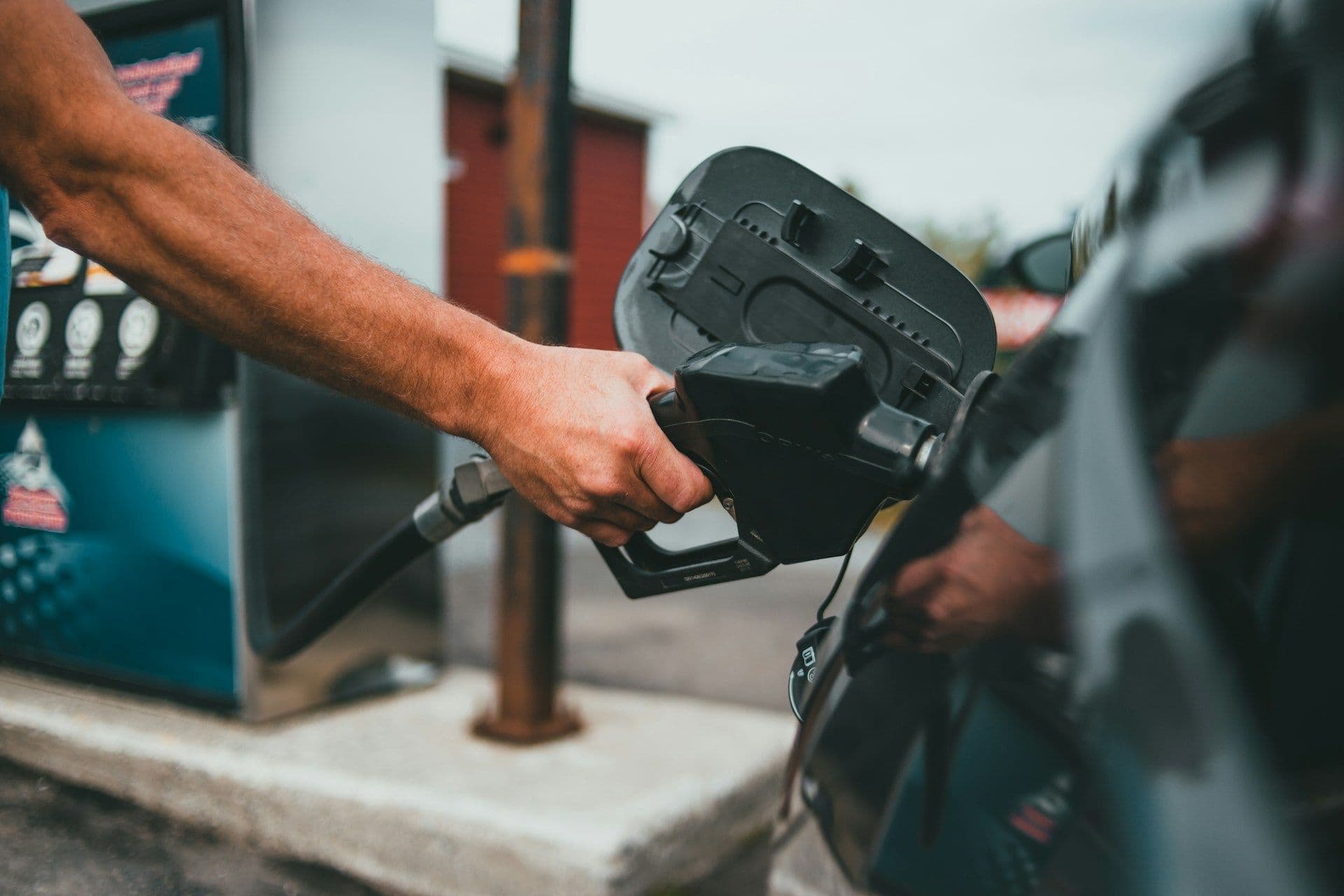
Erik Mclean, Unsplash
Record-breaking rises in energy prices have led to a significant acceleration in inflation in Luxembourg, which rose from 4.8% in February to 6.1% in March. According to data from the statistical office Statec, the main catalyst was an unprecedented surge in the cost of motor fuel. In just one month, diesel and petrol prices rose by 15.6%, marking the sharpest monthly increase on record. By way of comparison, in 2022, against the backdrop of the outbreak of hostilities in Ukraine, the increase was only 10.2%.
Alongside the energy sector, other categories of goods and services are also becoming more expensive:
- Heating oil: prices have risen by 37.2% compared with February and by 33.2% year-on-year.
- Food: prices for meat, vegetables, milk and coffee have risen by 2.7% over the past year.
- Services: the cost of services rose by 2.5%, compared with 2.2% in the February report.
Although the statistical threshold required for a review of payments has been reached, there will be no automatic pay rise in the near future. According to current forecasts, the next indexation is scheduled for the third quarter of 2026. The indexation mechanism was last triggered in May 2025, following a year without any adjustments.