Klimabonus Mobilitéit: electric-vehicle and charging-point aid extended to 2030
CHUTTERSNAP, Unsplash
The Chamber of Deputies has adopted two bills, on aid for zero-CO2-emission road vehicles and on aid for electric-vehicle charging installations. On 11 November 2026 Environment, Climate and Biodiversity Minister Serge Wilmes presented the main changes to the "Klimabonus Mobilitéit" schemes. Aid for zero-emission vehicles is extended by four years, to 30 June 2030, and covers vehicles bought or leased between 1 July 2026 and 30 June 2030.
For fully electric vehicles ordered since 1 July 2026, the aid depends on energy consumption. €6,000 goes to electric cars using no more than 160 Wh/km (16 kWh/100 km), to electric cars with seven or more seats where the applicant's household has at least five people, to electric vans and to hydrogen fuel-cell cars. €3,000 goes to electric cars using 161–180 Wh/km, and to those using up to 200 Wh/km where the drivetrain's maximum net power does not exceed 150 kW. In both cases the aid is capped at 50% of the cost excluding VAT.
The €1,500 aid for a used electric car or van at least three years old continues. Aid for electric quadricycles, motorcycles and mopeds stays at 50% of the cost excluding VAT, up to €1,000, and the same applies to cargo bikes. Aid for bicycles and e-bikes — 50% of the cost excluding VAT, up to €600 — remains reserved for households receiving the cost-of-living allowance (allocation de vie chère) or the energy premium (prime énergie) at the time of purchase.
From 1 January 2027, for new cars bought by private individuals, participating dealers will deduct the aid from the final invoice and be reimbursed by the State once they file the paperwork; dealers register with the Environment Agency to take part. The usual application route remains, and the amount of aid is the same either way.
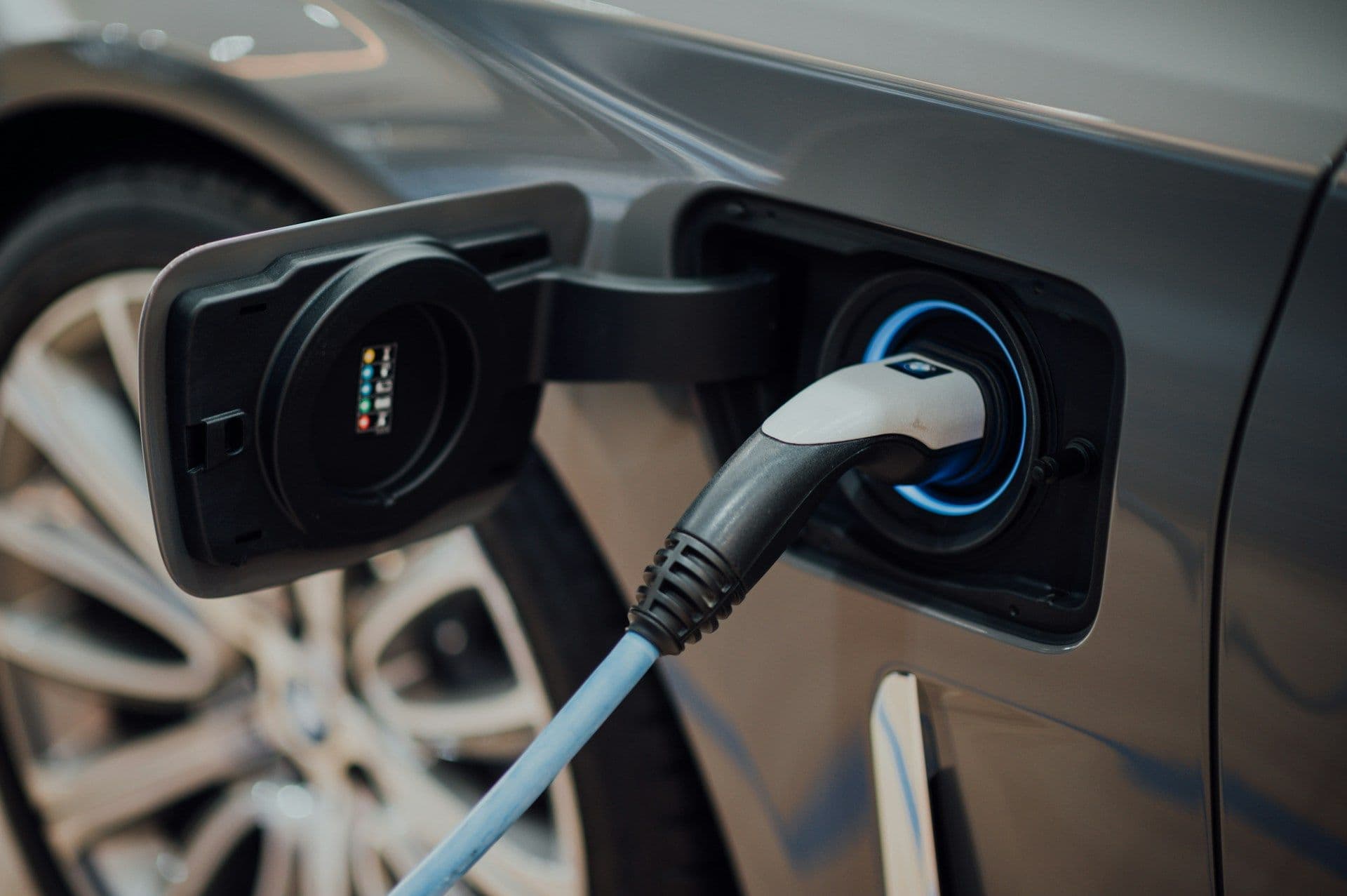
Aid for private charging points is also extended to 2030, for investments invoiced between 1 January 2026 and 31 December 2030: €750 for a simple charging point, €1,200 for a smart one and €1,400 for a bidirectional one (that amount applies until 1 January 2027), each capped at 50% of the cost excluding VAT. Owners of apartment buildings and co-owners' associations can receive up to €40,000 for a shared smart-charging management system and the necessary preparatory works, also capped at 50% of the cost excluding VAT.