Luxembourg changes the basis of music education

Getty Images
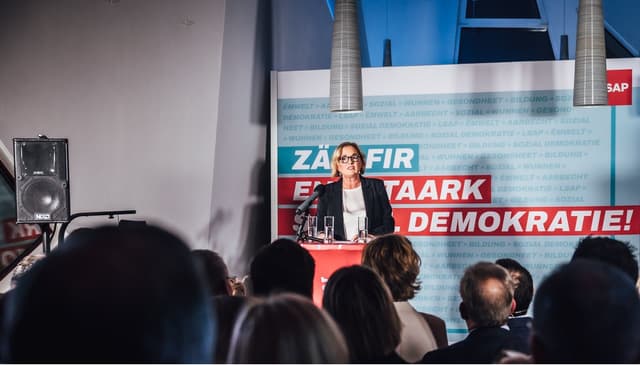
Music education remains one of the key elements of Luxembourg's education system, and in 2026 it will enter a phase of structural change. On 19 January 2026, Claude Meisch, Minister for National Education, Children and Youth, and Micky Thein, coordinator of the working group on solfège reform, presented the main parameters of the update to the compulsory music training course, known as formation musicale (FM).
The reform was a logical continuation of the policy of expanding access to music education. The introduction in 2022 of free tuition in most musical disciplines for children and adolescents under the age of 18 significantly changed the system: the number of students grew from 19,644 in 2022 to 22,650 in 2026. The authorities attribute this growth not only to social accessibility, but also to a broader understanding of the role of music as a tool for developing cognitive and emotional skills, creativity and personal growth. The cultural sector has also benefited from the influx of future musicians and teachers.
The central element of the reform will be a complete rethinking of solfeggio, which remains a compulsory subject for all students. From the 2026/2027 academic year, a single five-year cycle (FM1–FM5) will be introduced, accessible from the age of six. It will serve as a basis for continuing instrumental or vocal training up to the highest levels, including third-cycle diplomas and higher music education.
The key methodological change is a shift in emphasis towards voice and body movement. Singing and working with the body are officially established as fundamental tools of music education, making it more lively, sensory and practice-oriented. According to the developers, this should strengthen students' musicality at an early stage and bring teaching closer to real musical practices.
The new curriculum was developed in the 2024/2025 academic year by an advisory committee on music education programmes, after which a group of teachers from various music institutions developed the specific content of the courses, taking into account the workload and duration of the classes. The amount of instruction will gradually increase from one hour per week in the early stages to two hours in the upper levels of the general cycle.
Significant changes are also planned for teachers. Through the Service for the Coordination of Pedagogical Research and Innovation (SCRIPT), the Ministry is developing new textbooks in collaboration with experts in the field of music education. These materials will be provided to students free of charge as part of the general policy of free school supplies. At the same time, the National Education Institute (IFEN) will begin training sessions for teachers in February 2026, including work with new textbooks and the development of vocal techniques as part of the FM course.
The reform will also affect the assessment system. Instead of two exams before a jury, a single final exam will be introduced, which will account for two-thirds of the assessment. The remaining third will be based on continuous assessment throughout the year. This approach is designed to reduce the role of one-off exam stress and better reflect the student's actual progress.