
Luxembourg sets the standard in cardiology
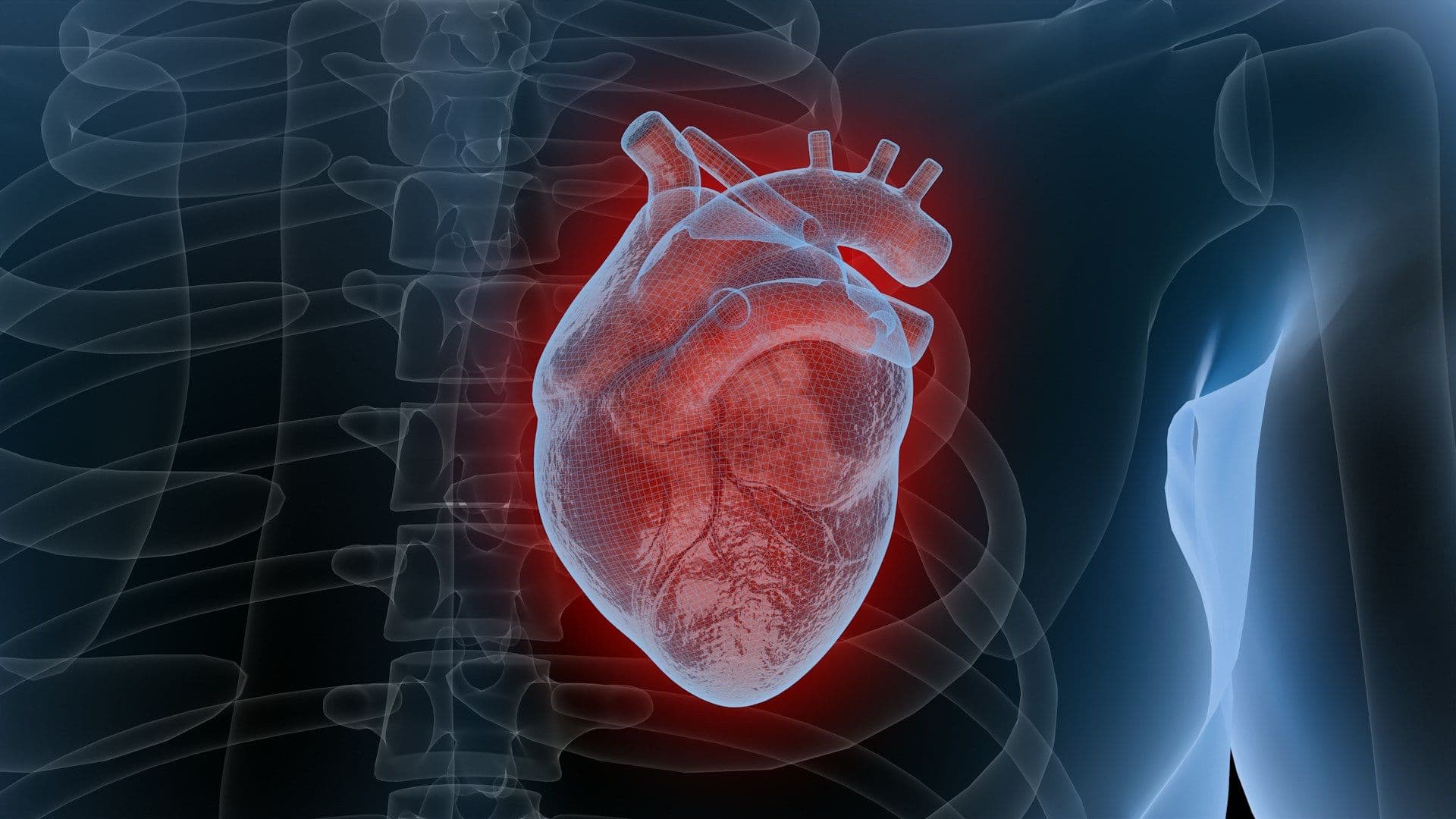
Zyanya Citlalli, Unsplash
The Émile Mayrisch Hospital Centre (CHEM) (Centre Hospitalier Émile Mayrisch) has been officially recognised as a centre of excellence in the field of cardiac imaging. The relevant certificate was issued by the German Radiological Society (Deutsche Röntgengesellschaft), making the hospital the first medical facility in Luxembourg and the Greater Region to be awarded such a high status. This accreditation confirms that the quality, safety and medical expertise involved in cardiac examinations meet the most stringent international criteria.
Radiologist Dr Georges Weyrich noted that the award of this ‘quality mark’ was the result of close collaboration among all staff and a high level of proficiency in computed tomography (CT) and magnetic resonance imaging (MRI) technologies. The certification is not a one-off event: it is valid for five years and involves continuous monitoring of the team’s work, including anonymous spot checks of examination results by DRG experts. According to Dr Weyrich, such an external audit ensures the necessary transparency and guarantees that patients receive the most accurate and reliable results possible.
In recent years, CHEM’s radiology department has been actively integrating artificial intelligence technologies to further improve image quality. Prevention remains a priority, particularly for high-risk groups—patients with high blood pressure, high cholesterol or smokers. The centre employs two complementary techniques: CT is used primarily to examine the condition of the arteries in detail for narrowing or blockages, whilst MRI allows for the assessment of heart muscle function and the detection of conditions such as myocarditis, which cannot be diagnosed using CT.
The scale of the centre’s work is borne out by the statistics: last year, around 2,500 people underwent a cardiac CT scan, whilst a further 300 patients were referred for an MRI scan. Valentin Vanvinckenroye, Head of the Radiology Department, explained that the choice of diagnostic method is always tailored to the individual and depends on the specific clinical requirements.