Luxembourg’s hospitals were caught unprepared by the heatwave
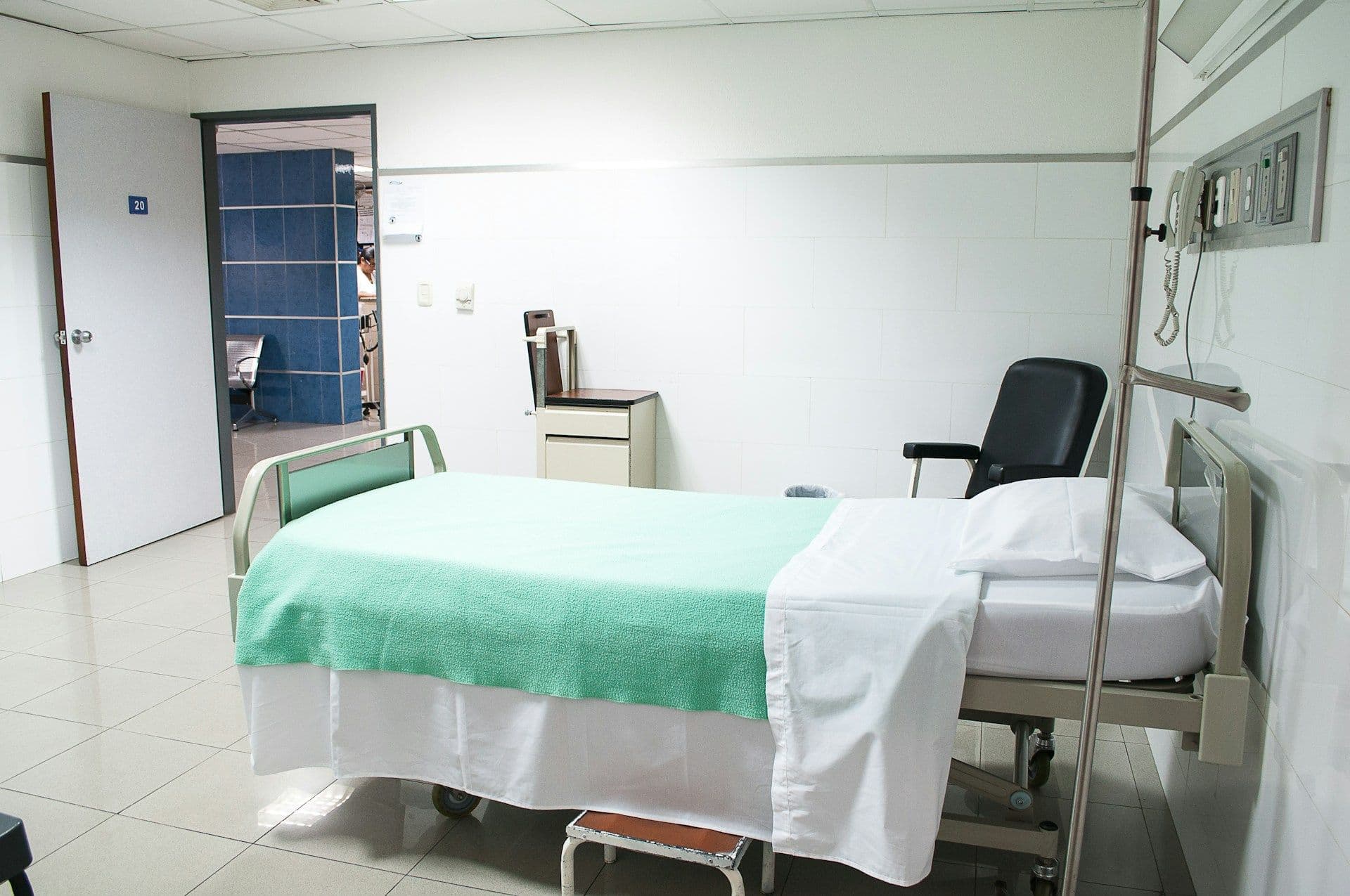
Martha Dominguez de Gouveia, Unsplash
An extreme heatwave, during which outdoor temperatures reached 40°C and temperatures inside hospital wards exceeded 34°C, has exposed serious infrastructure problems within Luxembourg’s healthcare system.
Patients and their relatives complained about the harsh conditions in the clinics. Medical staff recorded an increase in the number of complications: ranging from severe dehydration and nausea to an inability to tolerate oral medication, which required patients to be switched to intravenous therapy. The situation was exacerbated by the fact that, for safety reasons, windows in many hospitals can only be opened slightly, whilst opening them fully is prohibited by technical regulations.
Health Minister Martine Deprez has officially acknowledged that the country’s healthcare facilities are structurally ill-equipped to cope with such temperatures. According to her, most buildings were designed to protect against the winter cold rather than the summer heat. Although Luxembourg weathered this period relatively well compared with neighbouring countries, weaknesses in its infrastructure have become apparent.
The sharp rise in temperature placed a critical strain on A&E departments, which were inundated with elderly patients suffering from flare-ups of chronic conditions. To stabilise the situation, hospital management was forced to call on its reserves: medical staff cut short their holidays and worked overtime. However, unlike in France, where mortality rates are expected to rise once the heatwave has ended, no such trends have been recorded in Luxembourg at present.
The Ministry has already initiated the procurement of mobile cooling systems. Martine Deprez explained that the process of installing the equipment is complicated by strict health and safety regulations: in hospital settings, air-conditioning units must be fitted with specialised air filtration systems. Large batches of equipment are due to be procured in the coming weeks. In the medium and long term, the authorities intend to review the design standards for new hospitals and care homes, as well as to begin a phased refurbishment of existing buildings. Until the modernisation is fully completed, priority in the allocation of climate-controlled wards will be given to patients whose health is at greatest risk.
In response to criticism regarding blocked windows, the minister promised to raise this technical issue for detailed discussion with clinic management. To prevent hospitals from becoming overburdened during future heatwaves, health authorities are urging members of the public with mild symptoms to consult their GPs first, thereby reserving emergency department resources for the most vulnerable patients.