
Measles is making a comeback: what we know so far and how to protect yourself from infection
Getty Images
Against the backdrop of a global rise in measles cases currently being observed across Europe and the Americas, the Luxembourg Health Authority has issued an official warning to the public. With the holiday season and mass travel approaching, the authority has reminded the public of the highly contagious nature of this disease. Measles is extremely easily transmitted via airborne droplets, particularly in enclosed spaces with large crowds, such as on public transport. The infection usually begins with a high temperature, severe fatigue, a runny nose, a cough and red eyes, followed by the appearance of a characteristic rash on the skin. Although in most cases the disease resolves without any long-term effects, it can cause serious complications, including death, in infants, pregnant women and people with weakened immune systems.
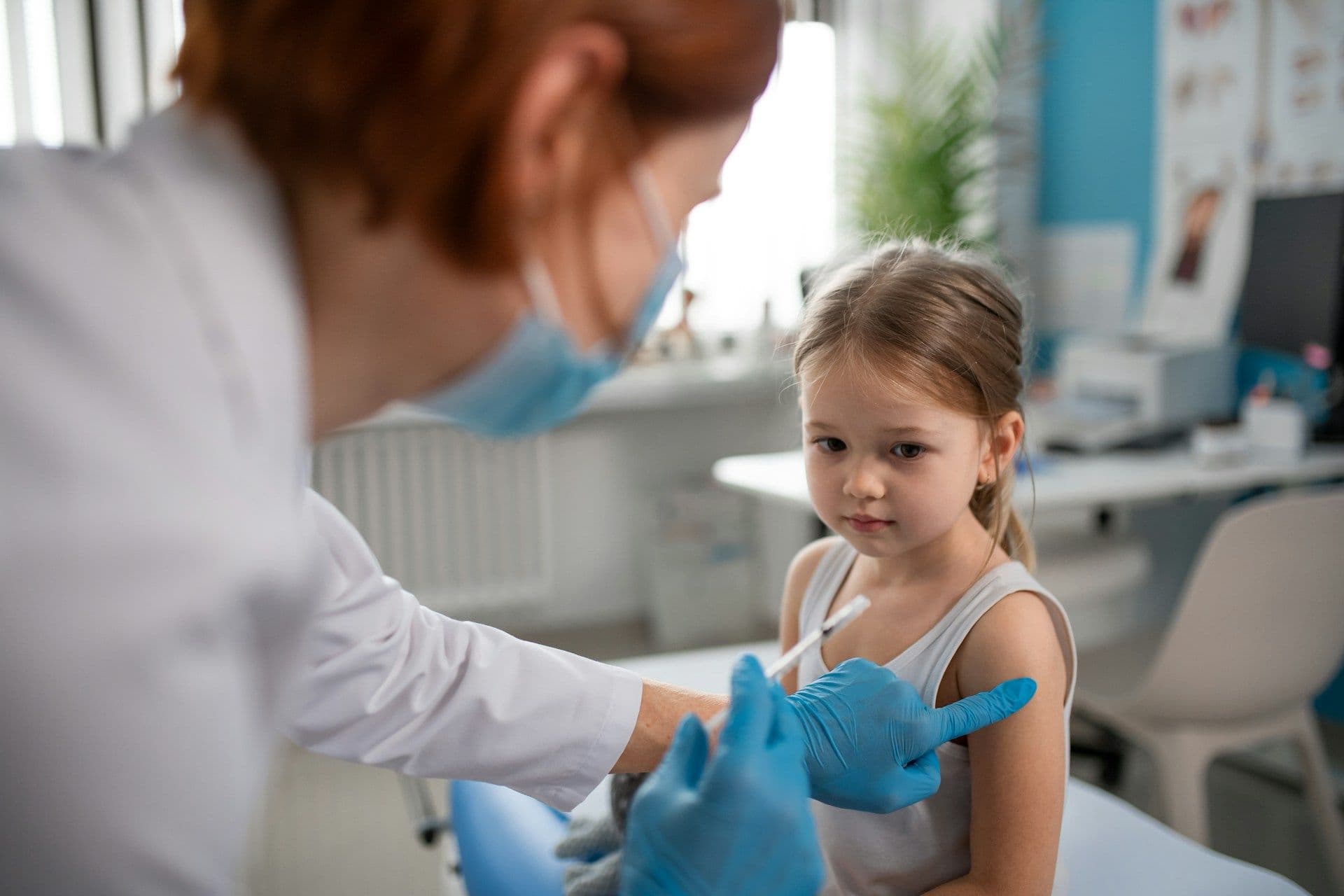
Given the widespread circulation of the virus in many popular tourist destinations, experts strongly advise travellers to check their vaccination status in good time. According to health authorities, vaccination remains the most effective means of protection and is recommended for the entire population in Luxembourg. The vaccine is traditionally administered as a single combined injection, providing protection against measles, mumps and rubella simultaneously, and in some cases in combination with the chickenpox vaccine to elicit a comprehensive immune response. Two doses of the vaccine are required to ensure full protection.
At the same time, health authorities emphasise the importance of age when assessing risks. People born before 1970 have, as a rule, already been exposed to the measles virus in the past – sometimes without showing any symptoms – and have natural immunity. Conversely, people born after 1970 who have not received the two required doses of the vaccine are advised to rectify this immediately by contacting their GP or paediatrician to check their medical records. Should symptoms such as a fever combined with a skin rash develop during or after a trip abroad, patients are strictly advised to refrain from visiting clinics in person. Instead, they must contact their doctor by telephone, ensuring they mention any recent travel, in order to prevent the further spread of infection.