The first child was presumably poisoned by Nestlé
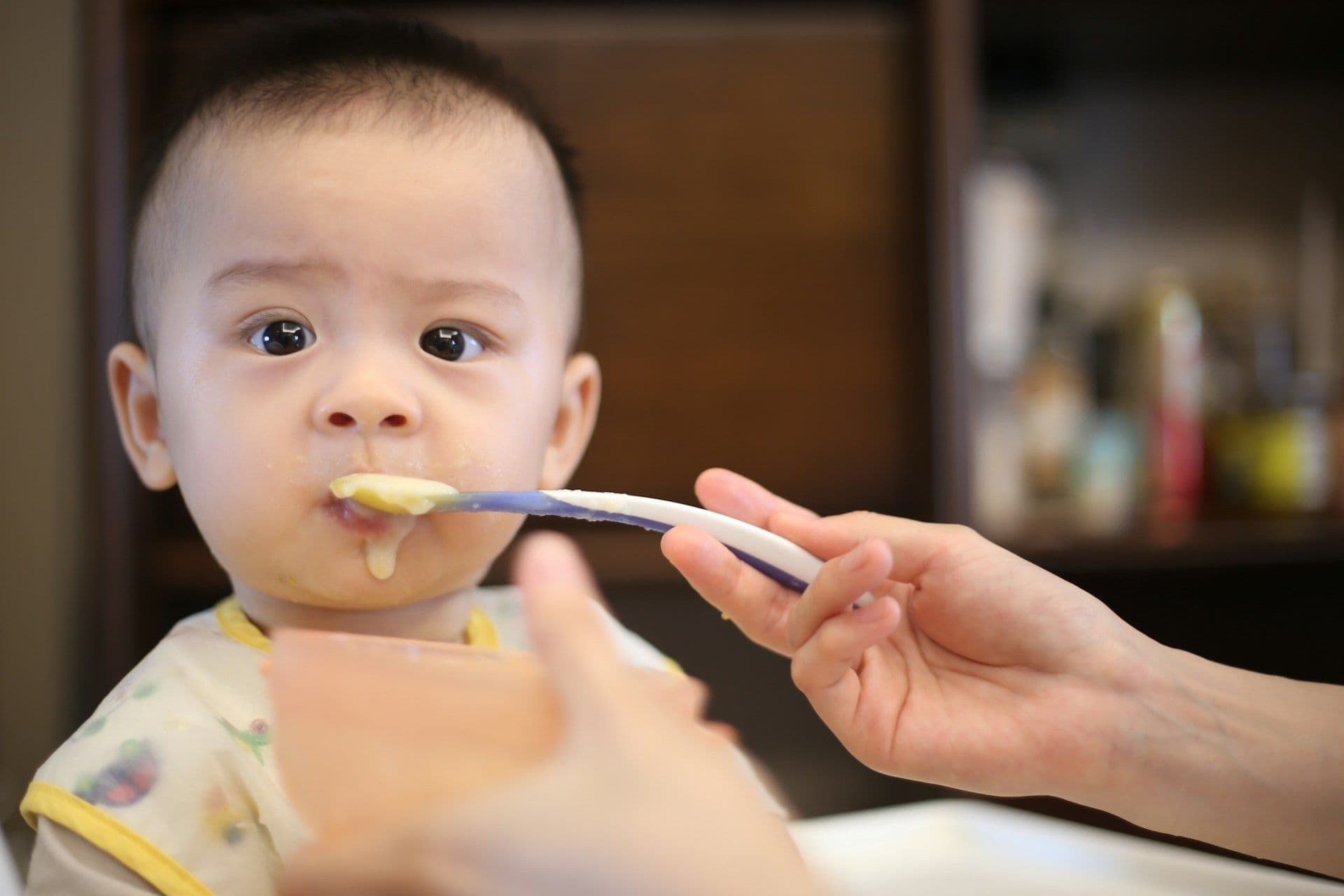
hui sang, Unsplash
In Luxembourg, one possible case of cerulide poisoning in an infant has been identified following an international recall of infant formula. The link between this case and the recalled products has not yet been confirmed, the investigation is ongoing, and the child has already recovered. This was reported by medical and health services amid the growing scandal over the safety of baby food in Europe.
The recall began in early January after Nestlé discovered possible contamination of powdered infant milk at one of its production facilities in the Netherlands. As a result, the products were withdrawn from sale in more than 60 countries, including Luxembourg. The recall affected the Beba, NAN and Alfamino brands, and Nestlé called the operation the largest in its history. The suspected source of the problem is cereulide, a toxin produced by the bacterium Bacillus cereus and potentially present in one of the additives.
Two cases of infant deaths in France drew particular attention to the situation. A direct link between the fatalities and the contaminated formula has not yet been proven, but investigations are ongoing. Reports of sick children have also come from the Netherlands and Belgium.
In Luxembourg, according to paediatrician Isabel De La Fuente from CHL, there has been no increase in unexplained cases of severe vomiting among children. She specifies that only one patient at the children's clinic could potentially be linked to poisoning, and this case is currently being investigated. The Luxembourg Veterinary and Food Administration (ALVA) has been notified, and the relevant batch of milk is undergoing laboratory tests.
The possible source of contamination is gradually becoming clearer. Several manufacturers, including Danone and Lactalis, have announced their own product recalls. The common element in all cases was an additive supplied by the Chinese company Cabio Biotech. It is used to make infant formula more similar to breast milk.
Symptoms of poisoning, mainly intense vomiting, usually appear between 30 minutes and six hours after consumption. ALVA Deputy Director Patrick Hau notes that the total number of reported cases indicates a relatively low risk: if the contamination were more widespread, there would be significantly more reports. Nevertheless, the risk cannot be completely ruled out, which is why the affected products have been completely withdrawn from the market.
ALVA emphasises that baby food in Luxembourg is subject to strict controls. According to food chain inspector Josiane Dahm, around 1,400 analyses are carried out each year, including tests for Bacillus cereus, and no abnormalities have been detected to date. If a problem is detected abroad, the information is quickly disseminated through the European rapid alert system, which allows for a synchronised response at EU level, explained Claude Scholtes, head of ALVA's alert and cooperation systems department.
Parents are strongly advised to check the batch numbers of the formula they are using. Up-to-date information on recalled products is continuously published in the LU-Alert system, where you can quickly check whether a specific product is affected by safety measures.