Luxembourg's toads are in danger
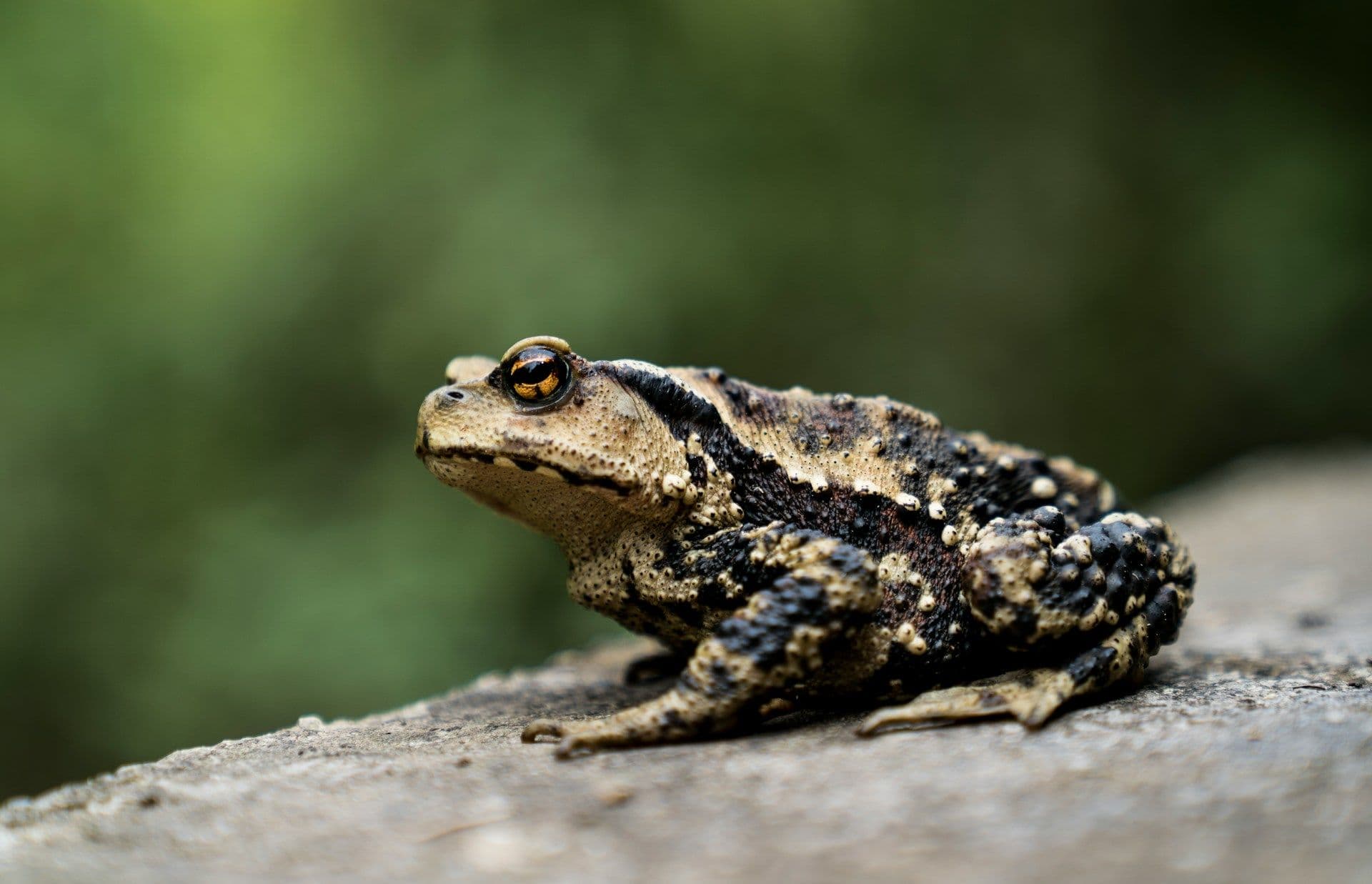
Li Lin, Unsplash
With the arrival of the first warm and humid nights in Luxembourg, the mass migration of amphibians has intensified. Toads, frogs and newts are leaving their wintering grounds and heading for water bodies to reproduce, covering distances of up to two kilometres. The organisation natur&ëmwelt warns that it is during this period that road traffic becomes the main cause of death for adult animals. According to biologist Lieke Mevis, around 30% of the migrating population is killed on roads with moderate traffic.
Studies show a direct correlation between animal survival rates and speed limits. When a car is travelling at 30 km/h, amphibians have an 80% higher chance of survival than when travelling at 50 km/h. This is due not only to the driver's ability to spot the animal in time, but also to the reduction in airflow and vibrations, which often injure small animals. The situation is complicated by the fact that there are virtually no specialists in the country capable of providing veterinary care to injured amphibians.
Several methods are used to protect biodiversity at key migration points:
Protective barriers and volunteers
Toad tunnels
Digital monitoring
Biologists emphasise the critical importance of toads for the ecosystem: adult toads control insect populations and are themselves an important part of the diet of many birds and mammals. According to data from the State Statistical Office (Statec) for 2025, the state of biodiversity in the Grand Duchy remains unsatisfactory, making every individual saved between now and the end of April vital to the preservation of the population.