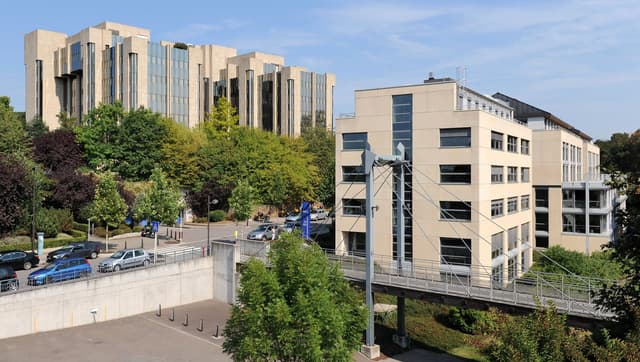
More than 150 human skeletons have been found in Vianden
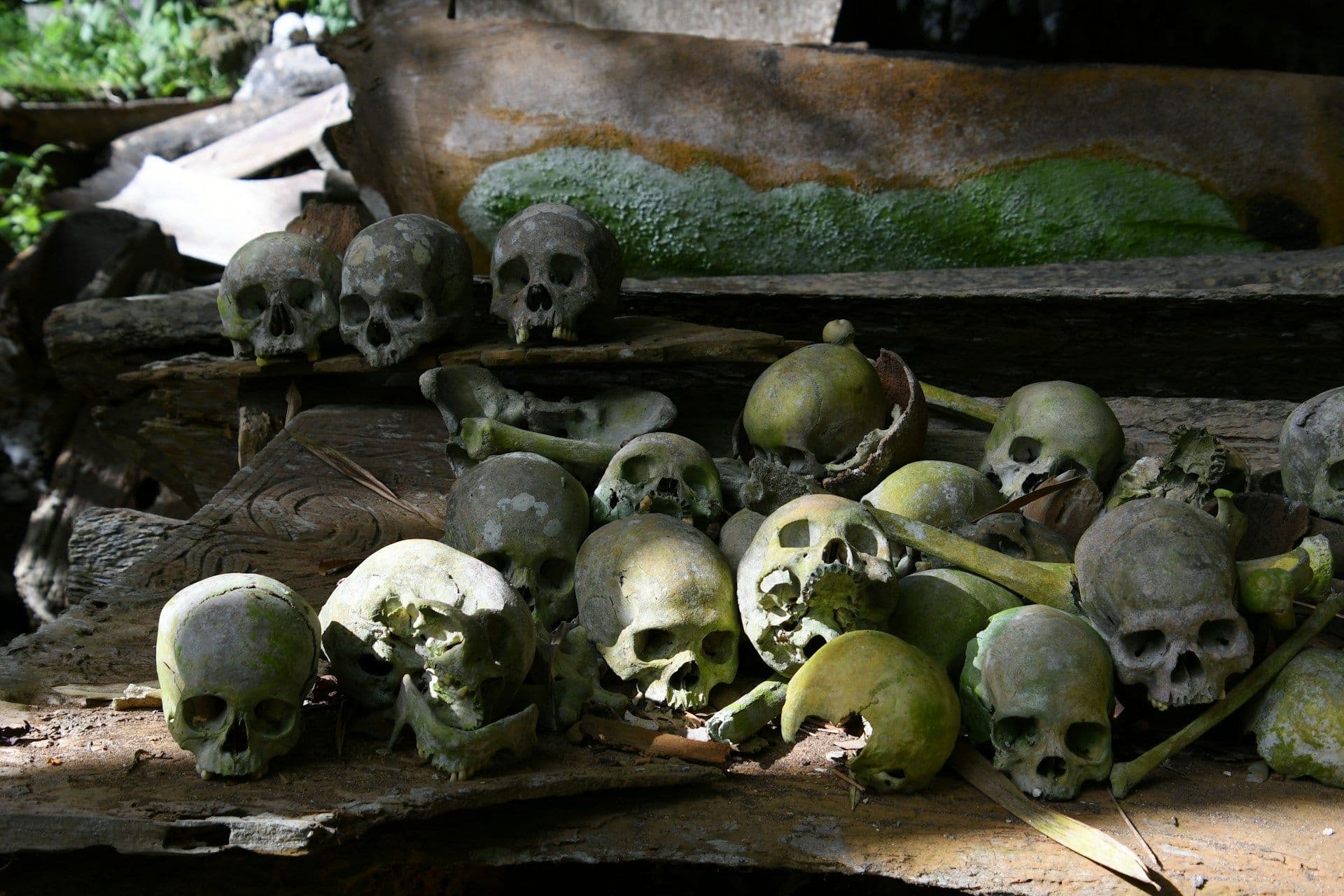
jessica rigollot, Unsplash
During archaeological excavations in the town of Vianden, researchers have uncovered more than 150 human skeletons beneath a car park on Place de la Résistance. The discovery was made during routine excavation work linked to the construction of a new youth hostel. Experts believe that the cemetery dates back to the Trinitarian church, built in the 13th century. The first historical artefacts at this site attracted attention as far back as 2021, when workers laying electrical cables discovered a Gothic window.
Nevertheless, until recently it was believed that most of the medieval burial sites in this area had been irretrievably destroyed during the Second World War. Andrea Bischof, a spokesperson for the National Institute for Archaeological Research (INRA), highlighted the significance of the discovery, emphasising that, contrary to expectations, the war had not completely destroyed the historical layer. Following this discovery, construction work was temporarily suspended to allow for systematic investigations.
As the deceased were buried without clothing or personal belongings, it is as yet difficult for scientists to determine the exact period when these graves were created. At the same time, anthropologists have already drawn their first conclusions regarding the state of health of the local population. Traces of injuries sustained during life and severe infectious diseases have been preserved on the bones. One of the most notable cases identified by the experts was the burial of a small child who had suffered from an acute sinus infection that had spread to the bone tissue. The recovered remains are currently undergoing a process of cleaning and detailed analysis, with the involvement of independent specialists.
Under a new agreement between the National Institute for Archaeological Research (INRA) and the Catholic Church, once the necessary scientific samples have been taken, the human remains will be reburied in a special grave at an existing cemetery, in accordance with ethical standards. Luxembourg’s Minister for Culture, Eric Thill, who visited the excavation site, explained that this kind of preventative archaeology involves carrying out research before construction begins. This approach has been made possible by the 2022 Heritage Act, under which the state fully covers the costs of such operations. The team of archaeologists plans to complete the investigations by the end of this year, and the total cost of this work is already estimated at hundreds of thousands of euros.