Protect your eyes: experts explain how to watch the eclipse
Jongsun Lee, Unsplash
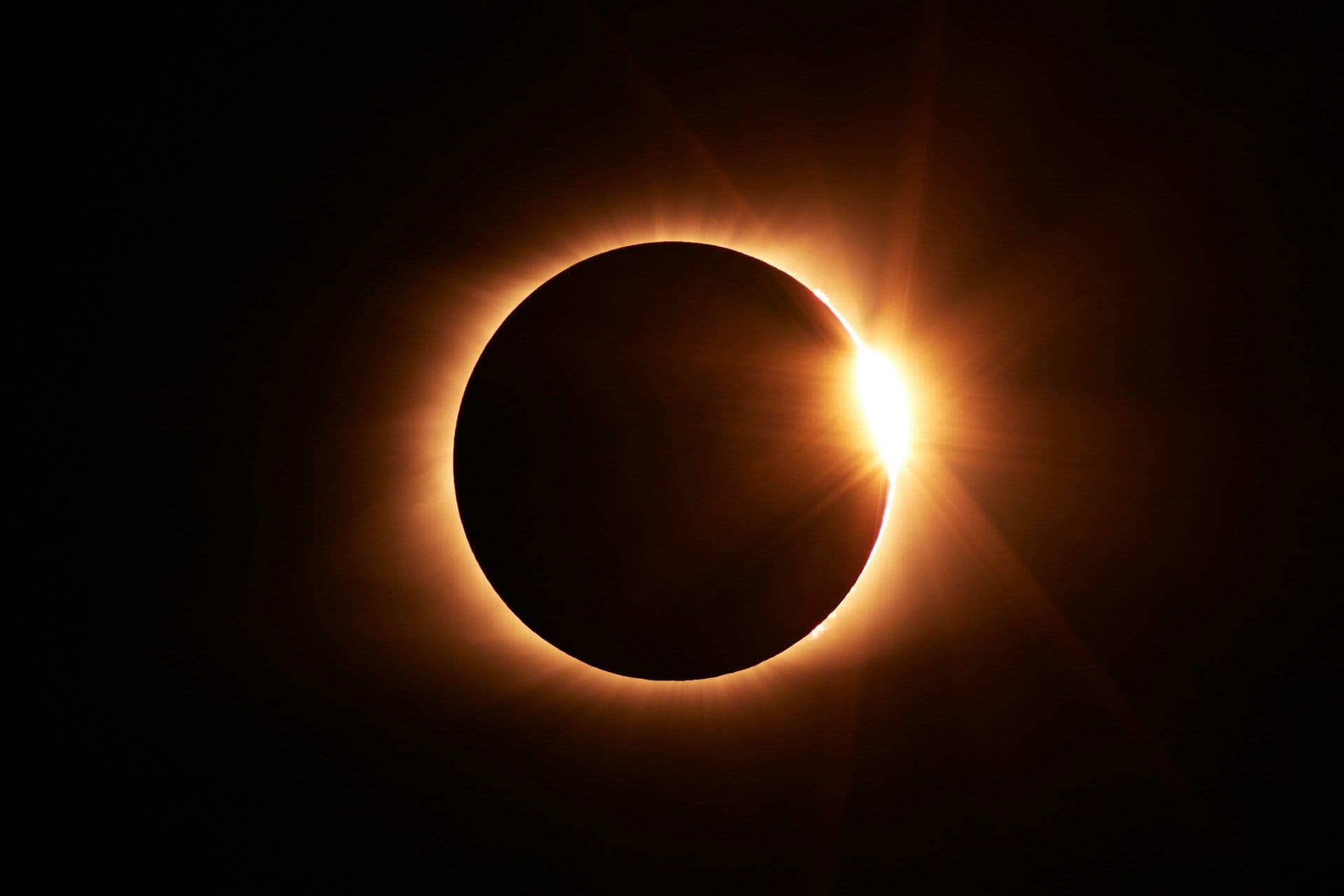
On 12 August, a partial solar eclipse will be visible over Luxembourg. Ahead of this event, medical experts strongly advise against looking directly at the sun without using specialist protective equipment. As optometrist Sandy Wenzel explains, looking directly at the sun, even for a short period of time, can cause irreversible damage to the retina. Furthermore, ordinary sunglasses, regardless of how dark they are, do not provide the necessary level of protection against harmful radiation. The danger is compounded by a physiological feature of the human eye: the retina has no pain receptors, which means that thermal burns or other tissue damage are often noticed too late, when vision has already been irreparably impaired.
To observe astronomical phenomena safely, you must use special glasses fitted with dense filters that comply with ISO international safety standards. Sandy Wenzel recommends purchasing such eyewear exclusively from certified centres and authorised opticians, warning against buying cheap alternatives online, which often fail to meet technical regulations. Particular attention should be paid to protecting children’s eyesight: as protective glasses are produced in a single, universal size, the medical specialist advises securing them firmly to the child’s head using an elastic strap. This ensures that the goggles will not slip off and that the child will look at the sun exclusively through the safe filter film.
Alternatively, if you do not have professional optical equipment, you can use a simple homemade camera obscura. To make one, simply cut a small hole in a thick sheet of card, through which the sun’s rays will be projected onto a white surface, such as a standard sheet of paper. This optical method allows you to observe the phases of the eclipse as a reflected projection of the crescent, completely eliminating direct eye contact with the sun’s rays. However, even when using such indirect methods of visual observation, experts urge people to remain as vigilant as possible and to strictly avoid accidentally looking directly at the sun.