What awaits the people of Luxembourg in 2026
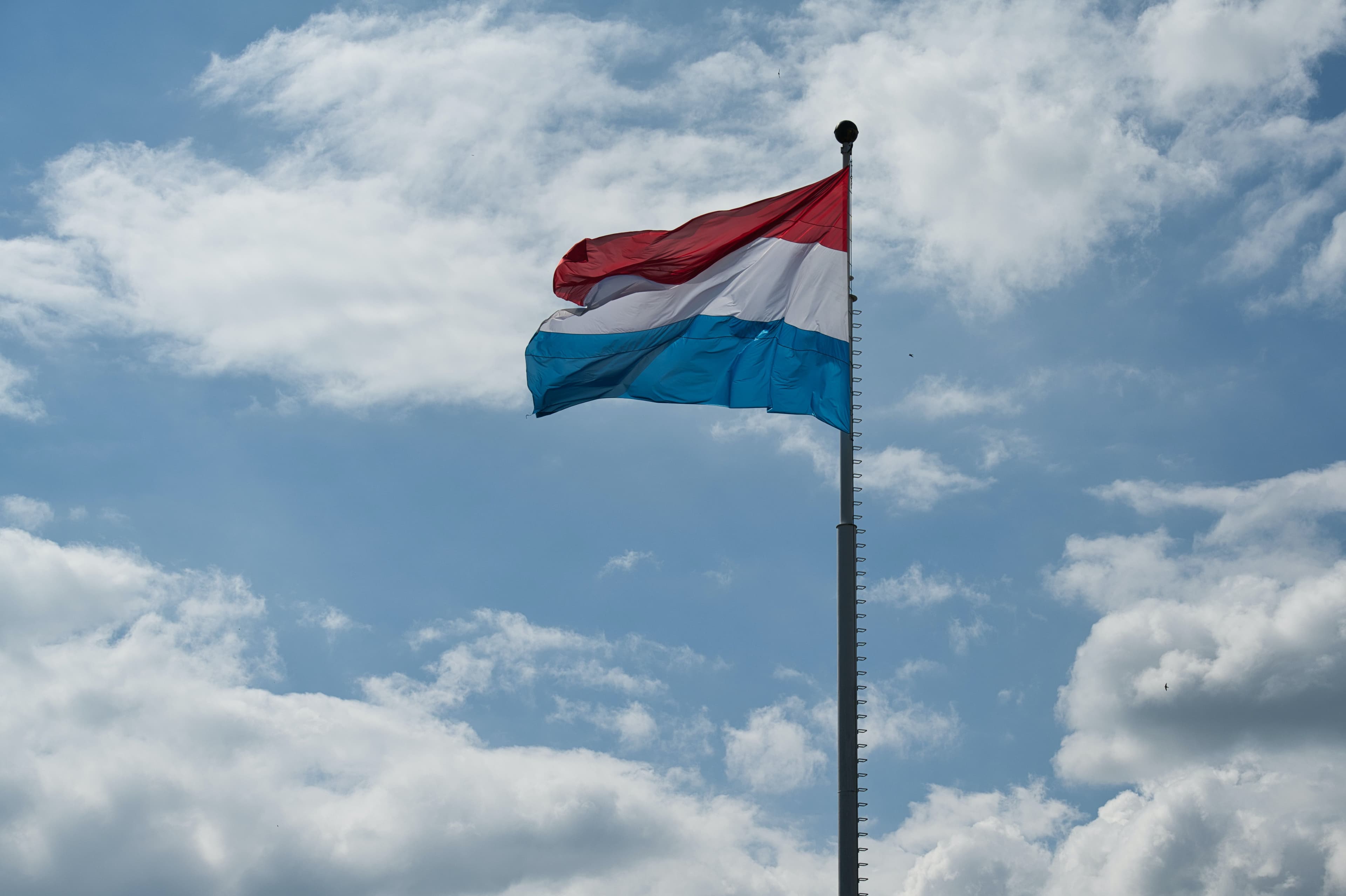
Photo by Gabor Koszegi on Unsplash
The New Year in Luxembourg traditionally begins not with high-profile reforms, but with a multitude of point changes that together reshape everyday life. 2026 will be no exception: adjustments will affect income, mobility, the labour market, schools and even the design of euro coins.
In the area of income and purchasing power, the main event will be the next indexation. According to the calculations of the State Institute of Statistics and Economic Research (STATEC), after the May 2025 increase, the next indexation is expected in the third quarter of 2026. If inflation forecasts are confirmed, wages, pensions and benefits will increase by 2.5 per cent. However, this increase will be accompanied by a new increase in the CO₂ tax: from 1 January, it will rise by another 5 euros to 45 euros per tonne. In practical terms, this means an increase in the price of fuel by about 1.5 cents per litre.
Energy policy looks contradictory but ultimately favourable for households. The government's energy shield is being phased out, but maintaining coverage of network costs and general tariff reductions from suppliers like Enovos and SUDenergie will result in lower electricity bills. The average household will save around €110 per year - a rare example of a reform with no hidden costs.
The government is preparing new targeted assistance for the elderly. From 2026, pensioners and people over 65 will be able to receive support, and the amount of payments will be reduced as income increases. This is a step towards a more targeted welfare state, where assistance is less and less universal.
Consumer habits will feel the change too. From 1 July 2026, the EU is introducing a €3 levy for every small parcel imported into the Union. This decision directly hits cross-border online shopping and may make impulse orders from outside the EU less attractive.
In the transport sector, the year 2026 will be marked by controls and repairs. On the A3 motorway, radars will be installed to monitor public transport and carpooling lanes: single drivers in the left lane will be fined. The Bettambourg-Luxembourg railway line will continue to be modernised: the works will again lead to long closures and the replacement of trains by buses, which will particularly affect passengers from Thionville and Metz. At the same time, travelling will become more expensive for French cross-border workers: SNCF season tickets will increase in price by around 5%.
Infrastructure projects - from the new K2A tram line in Kirchberg to interchanges on the A4 and bridges for Belgian commuters - are gradually approaching completion. At the same time, the ambitious A31bis project with the tunnel under Florange is still on paper: even in a favourable scenario, construction will not start before 2029.
For motorists, digitalisation will be an important detail: from 1 January 2026, the insurance "green certificate" can be presented electronically. This is a small thing, but it is indicative - bureaucracy is becoming less paper-based.
In the social sphere, the central event will be the pension reform. From 1 January, pension insurance contributions will increase from 8% to 8.5%, which will reduce net salaries. From July, a gradual increase in the required length of service will begin - one additional month of work each. To compensate, the state is extending tax relief on the third pension pillar: the deduction will rise to €4,500 per year per taxpayer. This is an attempt to shift some of the responsibility for old age to the citizens themselves, without destroying the solidarity system.
The labour market will also become more flexible and rigid at the same time. For some shops, the working day on Sundays will increase to eight hours, and opening hours on weekdays may expand from 5am to 9pm. At the same time, sanctions will come into force for violating workers' right to "disconnect" from work outside working hours - a norm that has been awaited for two years.
Education in 2026 will take two symbolic steps at once. Firstly, compulsory schooling will be extended until the age of 18 - a measure against early school leaving. Second, parents will have the right to choose the language of literacy instruction - French or German - starting in the lower grades. This is a cautious but important correction to the country's longstanding language model.
Among the less visible but telling changes are new euro coins featuring Grand Duke Guillaume, the creation of a separate team within the police force for sophisticated stun gun operations and the launch of a single social portal for accessing benefits.
Finally, Luxembourg fits into the pan-European context: from April 2026, an automated entry and exit system for third-country nationals will start working without stamps in passports, restrictions on single-use plastic will be strengthened, and the USB-C standard will become mandatory for laptops.