Wolves have returned to Luxembourg
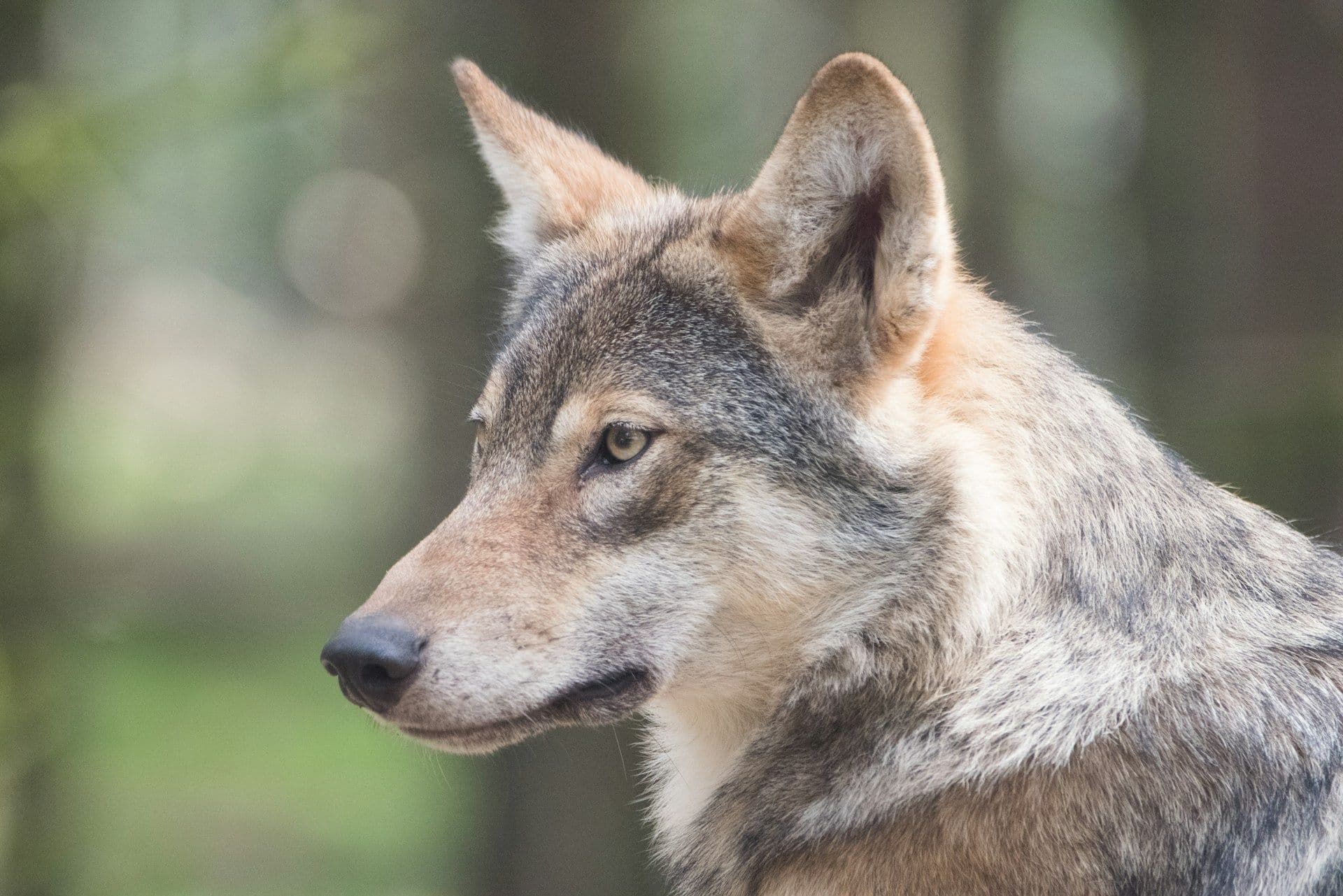
M. Zonderling, Unsplash
The Nature and Forestry Administration (Administration de la nature et des forêts) has officially confirmed that a wolf was responsible for the attack on sheep in the Wincrange area at the end of February. The initial suspicions of experts, based on the nature of the injuries, were confirmed by the results of genetic analysis of biomaterials collected at the scene. Five sheep were injured in the incident, two of which survived but were wounded.
At present, experts cannot say with certainty whether the predator has left the country or is still within its borders. Despite the absence of established and permanent packs in Luxembourg, individual animals have been regularly sighted in the country since 2017. The geographical proximity to regions with high populations of these animals, such as the High Fens in Belgium and the Ardennes and Eifel forests in Germany, contributes to the periodic migration of lone wolves across borders.
Representatives of the agency note that wolves naturally avoid contact with humans, but it is impossible to completely rule out the possibility of an encounter. In this regard, the Department of Nature and Forestry has published recommendations on safe behaviour when encountering a predator. The authorities urge citizens to immediately report any signs of wolf presence to ensure effective monitoring of the situation and protection of farms.