The Luxembourg Government has presented a new national plan for inclusion
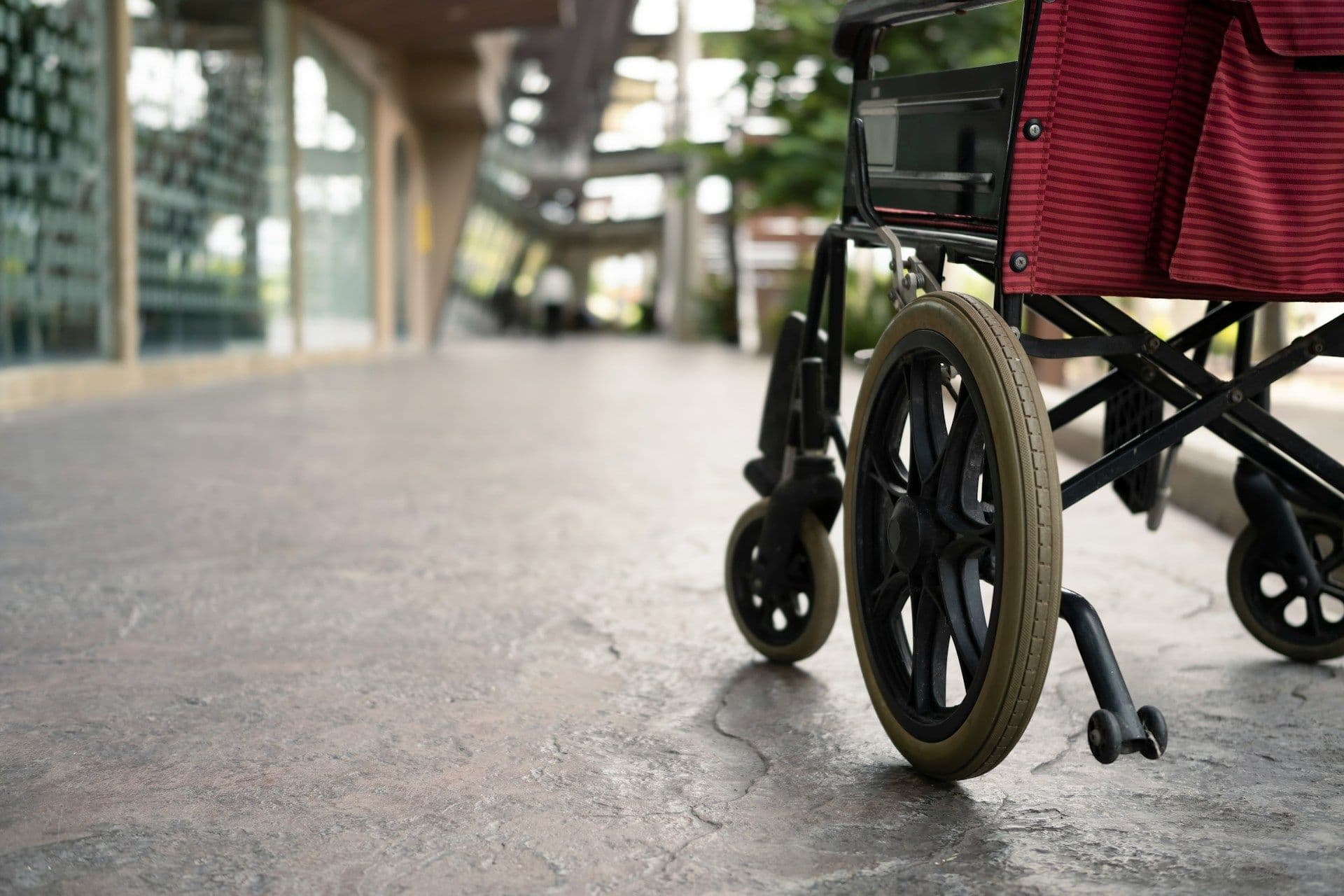
Getty Images
At present, around 14.6 per cent of Luxembourg’s population – approximately 94,000 people – have physical, sensory, intellectual or hidden disabilities. To protect their rights and promote their integration, the government has presented its third national action plan. The document contains 119 specific measures, grouped into 50 targets across seven key areas: ranging from ensuring equality and accessibility in healthcare to employment and international cooperation. At the same time, a conceptual paradigm shift has become the central element of the strategy: it is no longer people with disabilities who must try to adapt to their environment, but society itself that must adapt in advance to their needs.
As Max Hahn, Minister for Family Affairs, noted, inclusion must encompass all aspects of everyday life, including sport, tourism and even first-aid courses. At the same time, the accessibility of jobs in the private and public sectors still requires significant improvement.
Significant changes are also expected in the legal sphere. The Minister for Justice, Élisabeth Margue, has announced a reform of the guardianship system; the relevant bill is due to be introduced next year. The reforms will be based on the principle of subsidiarity: before appointing a guardian, judges will be required to consider whether less restrictive measures could be applied. In addition, a system of time limits will be introduced, ensuring that the effectiveness of each court decision is regularly reviewed. Legal procedures are to be made clearer to make it easier for members of the public to lodge complaints or make enquiries.
The plan provides for the transformation of the healthcare and education systems, with a focus on creating specialised conditions for people who are hypersensitive to noise or light. The Ministry of Health has identified improving the diagnosis of neurological disorders in children as a priority. The Minister for Education, Claude Meisch, emphasised that the necessary support is often provided too late, as developmental issues are only identified when a child starts school at the age of three or four.
The proposed solution is to strengthen coordination between educational institutions, child protection services and health authorities during early childhood. To promote integration in schools, the government plans to expand the network of centres of excellence and establish regional branches to make expert support more accessible. There are also plans to make music schools and conservatoires more inclusive.
Although the housing crisis affects the entire population of Luxembourg, the authors of the document acknowledge that finding accommodation is an even greater challenge for people with disabilities. In this regard, efforts in this area will focus on ensuring the greatest possible autonomy and independence in housing.
Developed with the involvement of 20 government ministries, as well as human rights organisations such as Info-Handicap, Okaju and the Ombudsman’s Office, the plan will undergo annual internal reviews. After five years, an independent external evaluation will be carried out to assess the extent to which the 119 measures have been implemented and to analyse the reasons for any delays.