
Luxembourg discusses age limits for teenagers in gyms
Anastase Maragos, Unsplash
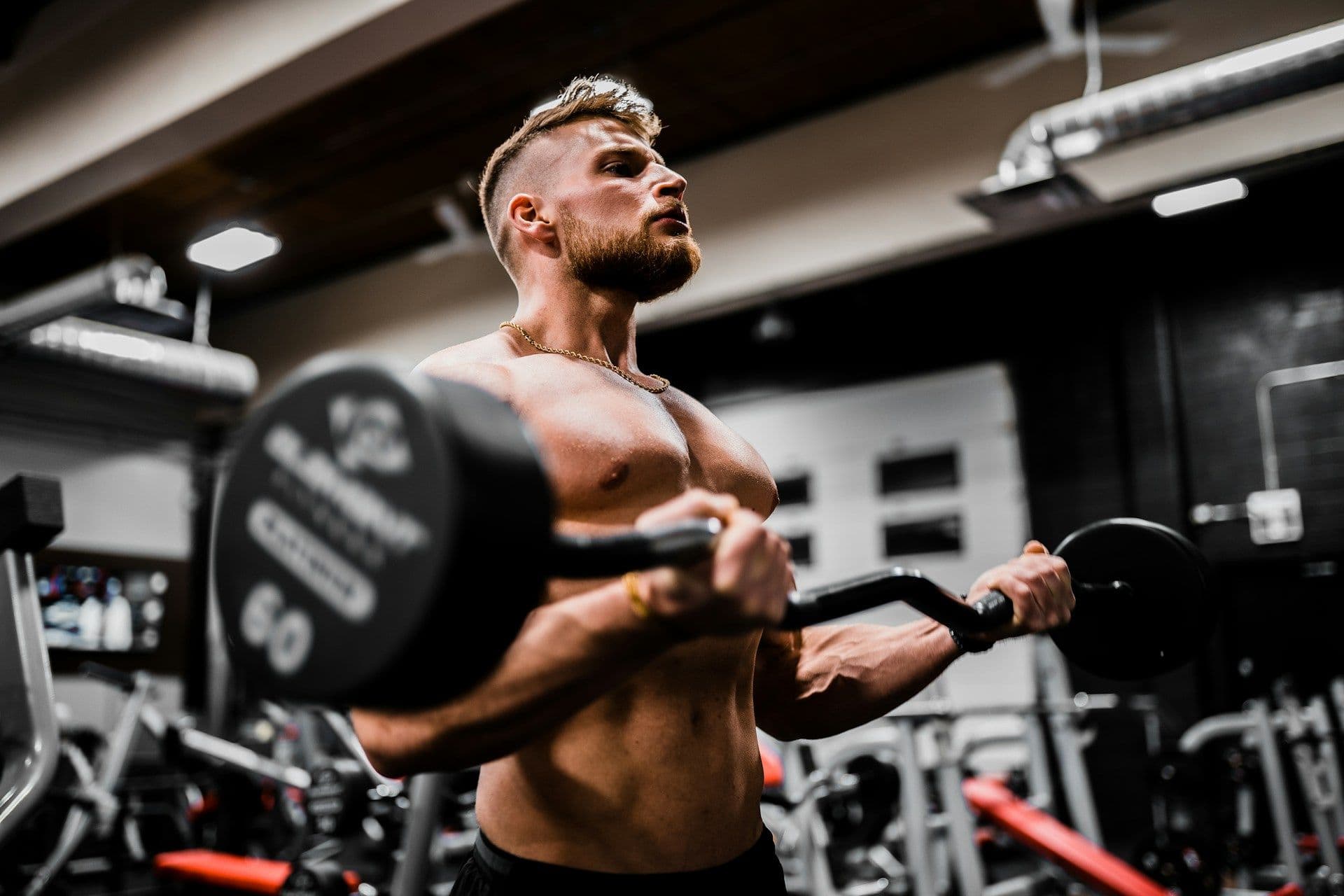
Flat stomachs and muscular arms are becoming more and more desirable for young people. According to experts, this is due to idealised images broadcast on social media. But in Luxembourg, doctors and trainers agree on one thing: early and untrained strength training can be dangerous for teenagers.
The Ministry of Health emphasises that premature or illiterate practice of strength training is fraught with damage to growth cartilage, overtraining, impaired body perception and even risky use of nutritional supplements. "A child has nothing to do in the gym until the age of 14," says Ludovic Gerard, a trainer at the Aquasud complex in Differdange. After this age, exercise is permissible, but only under supervision and as a supplement to the main sport.
Aquasud is equipped with special training machines for beginners, which automatically adjust to the user's parameters. At the first session, the system performs a test, determining the permissible load. "This avoids incorrect movements and injuries. As a trainer, I have access to all of the client's training information and I can monitor their progress in real time," explains Gerard.
For children and adolescents, supervision by a specialist remains the key factor. Philippe Parage, president of the Luxembourg Weightlifting and Powerlifting Federation, emphasises this: "Without supervision, the risk of injury and improper technique remains at any age - even at 10 or 40. According to him, interest in weightlifting among young people is growing: more and more clubs are asking for accreditation, and weightlifting training sometimes starts as early as 8-10 years of age - but only with technique training, with no load or mass-building goals.
The problem goes beyond physical fitness. The pressure of social media, where teenagers see "perfect" bodies, creates inflated expectations and contributes to the formation of complexes. Coaches are increasingly talking about online "body culture", which has a real impact on young athletes and their motivation. This is why professionals urge parents and teachers to be more attentive: the desire to be fit should come from a concern for health, not from a desire to conform to Instagram templates.