Winter in Luxembourg broke records for dryness
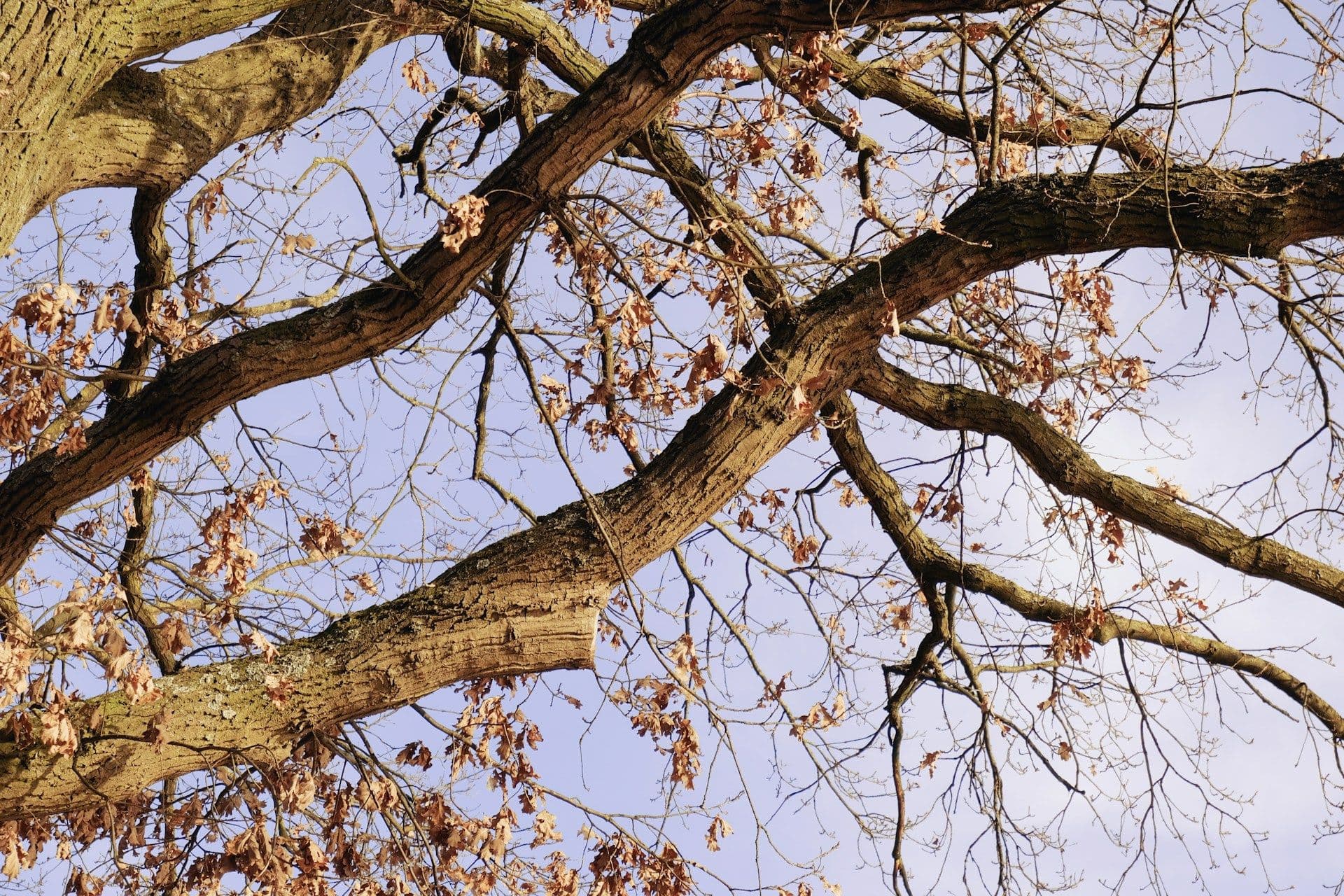
Yves Cedric Schulze, Unsplash
The winter of 2025/2026 in Luxembourg saw above-average temperatures and a noticeable lack of precipitation. This is according to a joint bulletin issued by the Ministry of Agriculture, the Water Management Authority (Administration de la gestion de l’eau, AGE) and the Meteolux service. The climate period 1991–2020 was used as a reference.
The end of 2025 was characterised by moderately warm weather. In January 2026, temperatures dropped slightly: depending on the region, they were close to normal or slightly below. However, in February, temperatures rose above seasonal norms again, confirming the general trend of a mild winter.
In terms of precipitation, the season as a whole was drier than normal. In December, there was a precipitation deficit across the country, and in January, a similar pattern was observed in most regions. The exception was Remich, where a slight surplus was recorded. In February, the situation changed: precipitation increased significantly. In Asselborn, the surplus was up to +47.4 mm, which is equivalent to a 78% increase compared to the average values. However, this was not enough to compensate for the deficit accumulated over the winter.
There were no serious floods during the season. Only in February were isolated localised floods recorded on the Moselle, which contrasts with the more extreme winter episodes of recent years in Western Europe.
The consequences for the agricultural sector are moderate but noticeable. Winter crops are generally developing satisfactorily, although damage due to excess moisture was observed in some areas in the autumn. At the same time, many fields have not yet been treated for weeds, and the relevant work will have to be carried out in a short period of time. The situation with vegetable crops remains stable, but additional precipitation is needed to replenish water reserves. Vineyards are also facing a shortage of moisture in the soil, making spring rains or snowfalls critical to restoring balance.