Luxembourg is set to impose even stricter restrictions on smartphones in schools
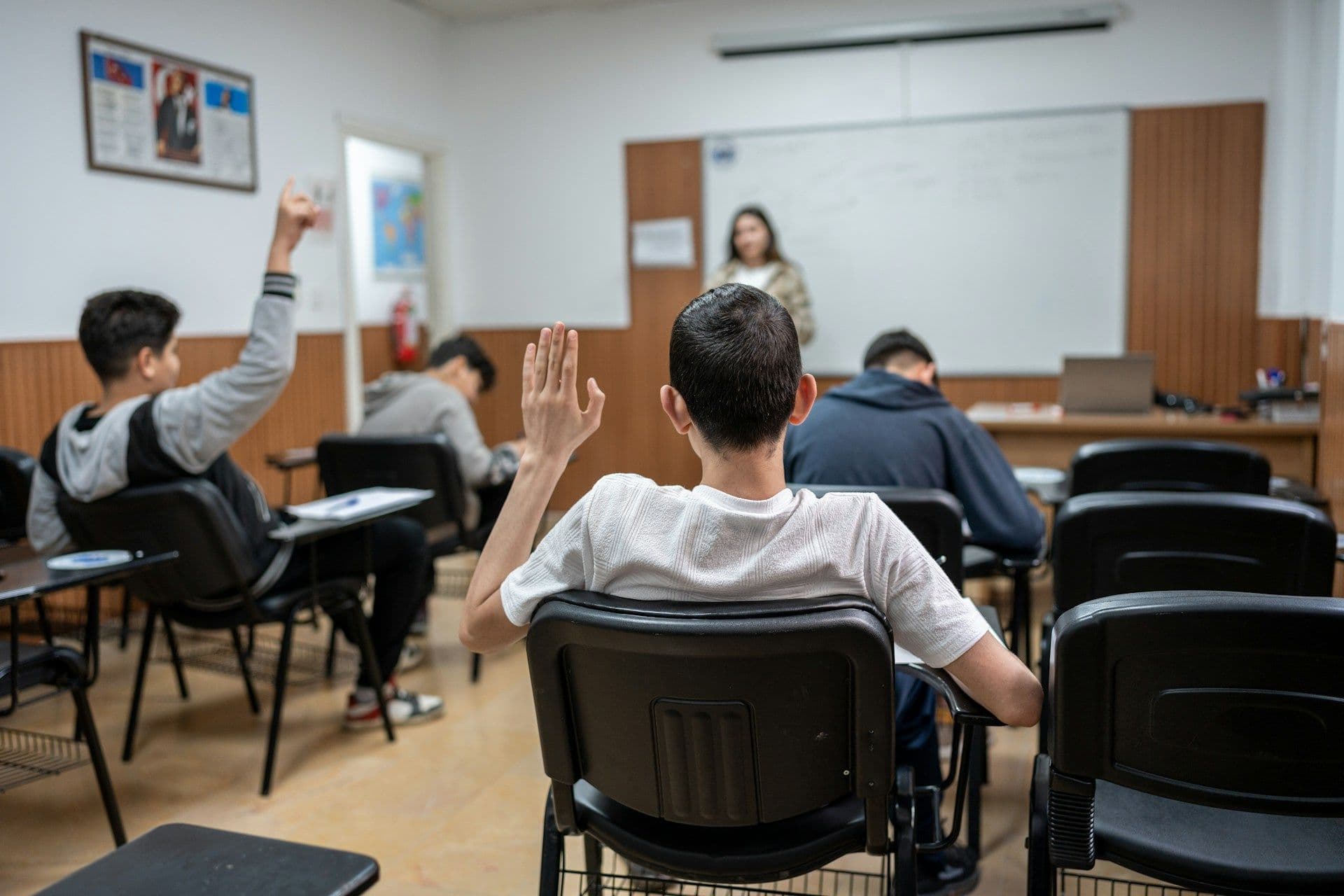
Ahmet Kurt, Unsplash
Luxembourg’s Minister for Education, Claude Meisch, has announced plans to introduce strict restrictions on the use of smartphones in secondary schools. This decision was prompted by the latest results from the Programme for International Student Assessment (PISA), which showed a steady decline in reading skills. This trend has been observed since 2012, not only in Luxembourg but also globally. Although the country remains just below the OECD average, experts attribute the decline in reading literacy to young people’s excessive use of social media. According to Luc Weis, director of the SCRIPT research service, the constant use of gadgets means that children read quickly and superficially, and the frequency of errors caused by inattention whilst reading has doubled.
At present, secondary schools across the country are free to choose one of three types of restrictions: a ban on electronic devices during lessons, during break times, or throughout the entire school day. However, the ministry plans to introduce a mandatory ban for the lower years of secondary school. In addition, the Ministry is drawing up a plan to encourage the reading of longer texts, emphasising that children whose parents read to them regularly at home achieve better academic results.
It is worth noting that the PISA study also highlighted the mixed impact of artificial intelligence on the learning process. Pupils who use AI as an interactive tutor improve their performance, whilst relying on algorithms for metacognitive tasks leads to a loss of key competences. At the same time, Luxembourg achieved results above the OECD average in the field of digital learning and has also managed to narrow the academic gap between Luxembourgish pupils and children from migrant families through the development of European classes and programmes taught in French.
At the same time, academic performance in the education system continues to be influenced by socio-economic status and the type of education programme: results from the ‘Classique’ academic stream and international schools remain significantly higher than those from the ‘Général’ programme. The PISA findings will be discussed by the Chamber of Deputies’ Education Committee on 15 September, after which Luxembourg will continue to take part in the assessments as part of a new four-year cycle.