
Respiratory infections: results for the week of 5 to 11 January 2026
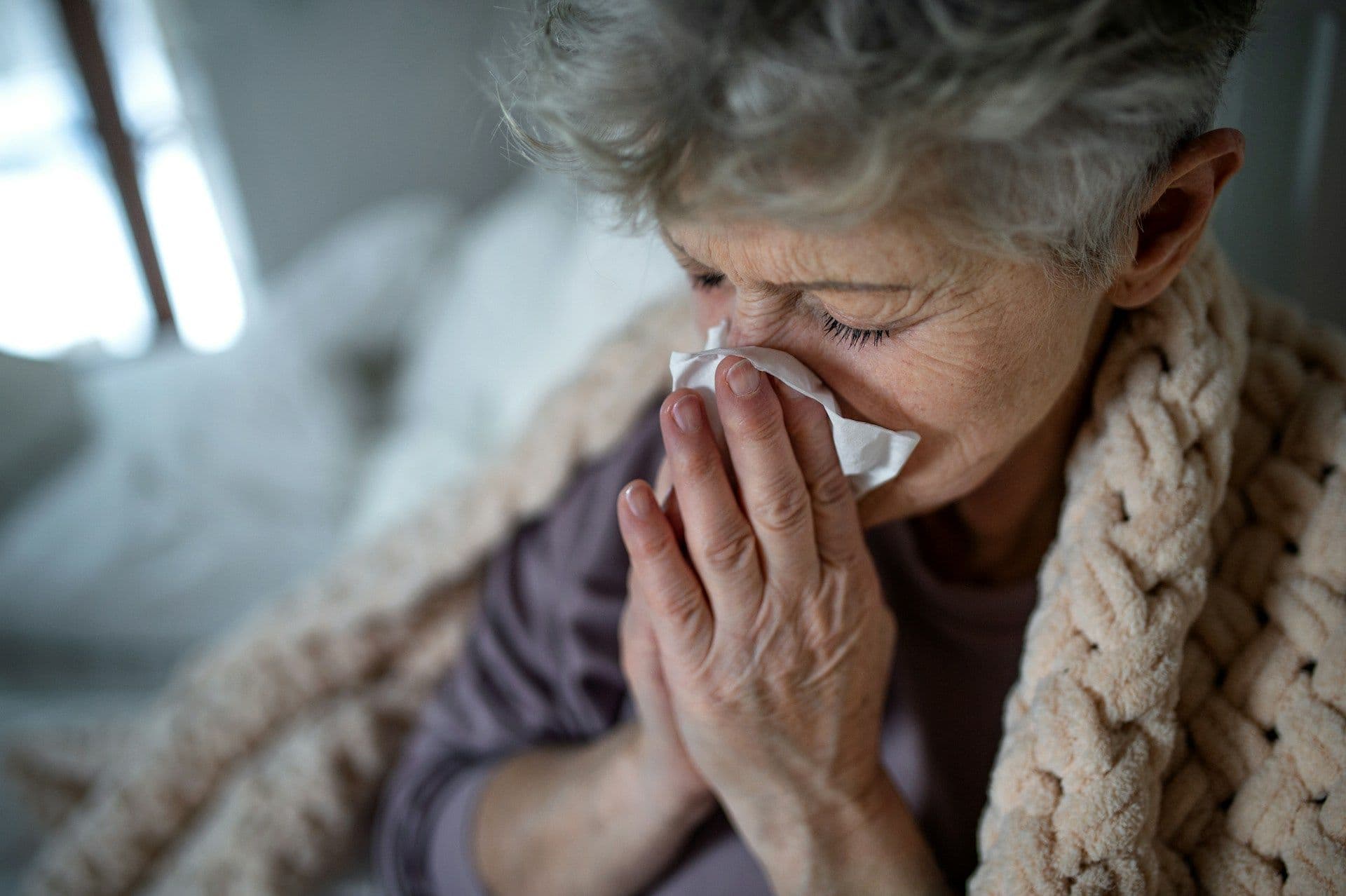
Getty Images
The Luxembourg Health Service has published a weekly review of the main acute respiratory infections, which shows a marked increase in the seasonal burden on the healthcare system. The most noticeable trend is in influenza. During the second calendar week of the year, from 5 to 11 January, laboratories recorded 915 cases, compared to 641 the week before. The 43% increase indicates an active phase of epidemic spread. Almost all confirmed cases (99.8%) were influenza type A, while influenza B is almost non-existent.
The Ministry of Health and Social Protection reminds everyone that vaccination remains available and relevant. The ministry emphasises that it is especially important for people over 65 to get vaccinated, as they are at increased risk of complications from influenza. The vaccine is still considered the most reliable way to reduce the likelihood of severe illness and hospitalisation.
The situation with respiratory syncytial virus cases appears to be more stable, although a slight increase has been recorded here as well. The number of confirmed cases increased by 3%, from 147 to 151. Since October 2025, almost two-thirds of infections (62%) have been in children under the age of ten, confirming the characteristic concentration of RSV among the youngest age groups.
COVID-19 also shows a moderate increase. Over the same period, the number of positive tests rose from 62 to 69 cases, representing an 11% increase. However, wastewater analysis shows a decrease in viral load, which may indicate limited spread of the infection. Sequencing data shows the dominance of the XFG variant, which accounts for 40.6% of samples, as well as its subvariant XFG.3 and the NB.1.8.1 variant, each accounting for 23.9%.
With several viruses circulating simultaneously, the authorities are once again emphasising individual preventive measures. Regular hand washing with soap, respiratory hygiene when coughing and sneezing, reducing close contact during epidemics, ventilating rooms and avoiding public places when experiencing symptoms remain basic but effective tools for containing the spread of infection. Taken together, these measures are considered an important complement to vaccination and help reduce the burden on both health services and vulnerable populations.