
350 fawns have been rescued from fields in Luxembourg
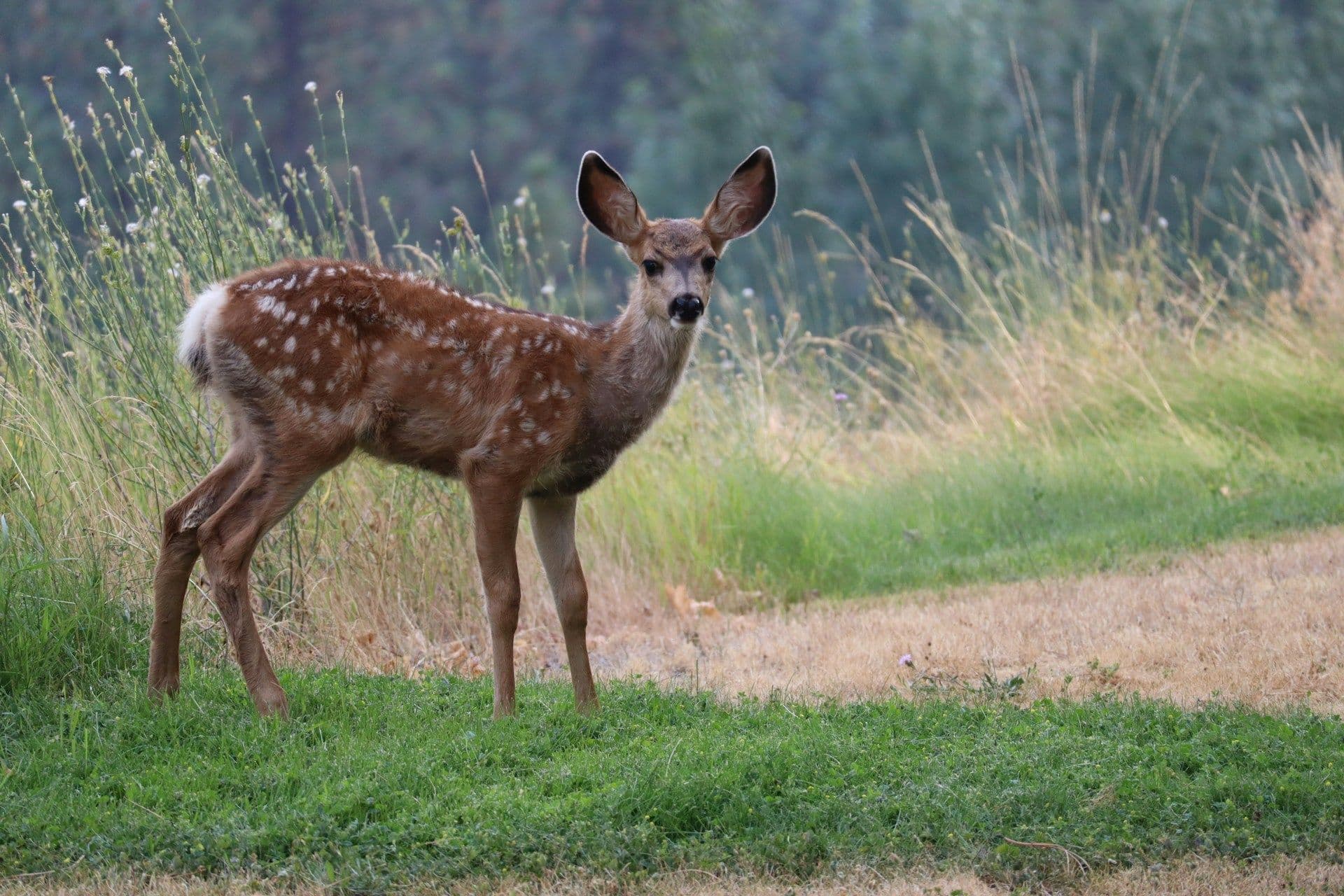
Divide By Zero, Unsplash
During the peak haymaking season, the non-profit organisation Sauvons Bambi brings together volunteers, hunters and farmers to protect wild animal cubs from being killed by agricultural machinery. So far this year, their joint efforts have already saved around 350 animals. Collisions with mowers result in serious injuries and the death of young animals, and also pose a significant economic and health threat to livestock farming. If the animals’ remains go unnoticed and end up in harvested fodder, toxic gases are produced during decomposition, which can trigger widespread disease among livestock.
To prevent such incidents, the digital platform Bambimap.lu is used, which connects farmers directly with rescue teams. As Jacques Schroeder, a spokesperson for Sauvons Bambi, explains, each agricultural plot is assigned a unique identification code. Farmers enter details of their planned work into the system, after which drone operators are given access to a list of current tasks. Drones equipped with cameras enable the rapid detection of small animals hiding in tall grass.
Schroeder emphasises that the vigilance of local residents often plays a key role in rescue operations. He cited a recent incident as an example: after discovering a female animal that had been hit on the road and was showing signs of lactation, volunteers systematically searched the nearby fields and found two cubs that had been left without their mother. However, experts strictly forbid people from touching wild animals they happen to find, as the mother may permanently reject her offspring due to the foreign scent.
Despite the effectiveness of the technological solutions currently in use, the introduction of a statutory requirement for advance notice of mowing is not yet under consideration. The Minister for Agriculture, Martine Hansen, stated that there are currently insufficient infrastructure resources and qualified drone pilots to implement such a directive. Instead, the government is relying on voluntary coordination among all stakeholders.
To date, hunters have already surveyed 14,000 hectares of farmland, whilst volunteers from Sauvons Bambi have ensured the safety of an area ranging from 5,000 to 6,000 hectares. In the long term, there are plans to further expand the area covered so that each specialist group can independently and effectively monitor the territories assigned to it.