How AI Is Quietly Powering Everyday Life in Luxembourg

When people think about artificial intelligence, they usually imagine something obvious. They think about chatbots, self-driving cars, or tools that generate text and images. But in reality, most AI does not look like that. It is not flashy. It just works in the background.
And in a small, highly digital, and deeply connected country, AI is quietly becoming part of everyday life in ways most people barely notice. From banking to transportation to public services, it is shaping how things run behind the scenes in Luxembourg. You do not see it. But you interact with it every day.
A Country Built for Smart Systems
Luxembourg is in a unique position when it comes to adopting new AI software development solutions and technologies. It is small enough to implement changes quickly. However, it is advanced enough to support complex systems. With strong infrastructure, a multilingual population, and a focus on innovation, Luxembourg is an ideal environment for AI to grow quietly.
Digital transformation has been an initiative of the government over the years. Meanwhile, the financial industry in the country is investing a lot in the field of automation and data-driven tools. Such activities are not always featured in the headlines. They establish the ground on which AI could be incorporated easily into day-to-day activities. This makes services quicker. Processes get smarter. And a majority of the population is unaware of AI being a part of it.
Smarter Banking
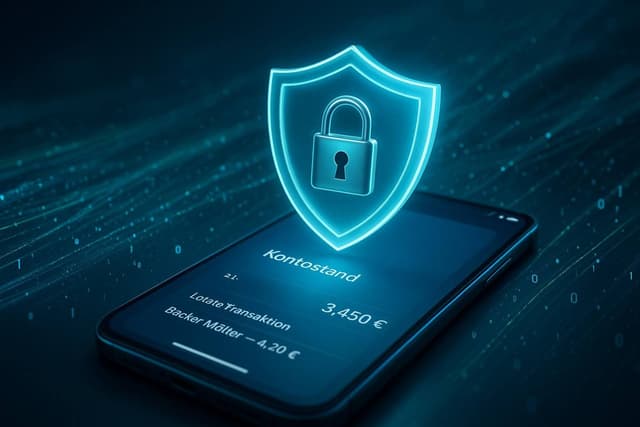
Luxembourg’s financial sector is one of its strongest pillars. And AI is playing a growing role in how it operates. Banks and fintech companies are using AI to detect fraud, analyze transactions, and personalize services. These systems work in real time. They scan patterns and flag unusual behavior before it becomes a problem. For customers, this often shows up as convenience. Payments go through instantly. Suspicious activity gets blocked quickly. Recommendations feel more relevant. It all feels seamless.
AI is also helping financial institutions handle regulatory requirements more efficiently. Compliance processes that used to take hours can now be automated and monitored continuously. That reduces risk and improves accuracy. Again, most of this happens behind the scenes.
Public Services That Just Work Better
AI is also making its way into public services. Government sites are becoming more interactive and user-friendly. Chatbots have the ability to respond to frequent questions. Online portals ensure that users are taken through administrative procedures with ease.
These changes are not experienced as significant ones. People think that things are just working the way they should have been working the whole time. It is an indication of positive integration. An increased emphasis on data-driven decision-making is also growing. AI can be used to analyze traffic patterns, optimize resource allocation, and enhance urban planning.
Flexible Transportation
Getting around Luxembourg is already relatively efficient. However, AI is helping make it even smoother. Traffic management systems use real-time data to adjust signals, reduce congestion, and improve flow. Public transportation networks analyze usage patterns to optimize routes and schedules.
For commuters, this means fewer delays and more predictable travel times. It might not feel like a major innovation. However, it adds up over time. Small improvements in efficiency can have a big impact on daily routines. There is also ongoing experimentation with smart mobility solutions. From shared transport systems to predictive maintenance for infrastructure, AI is helping keep things running more reliably.
Proactive Healthcare
Another field where AI is beginning to have an impact is in healthcare. AI is being implemented at hospitals and clinics to aid with diagnostics, patient data, and workflow enhancement. These devices do not substitute healthcare professionals. They assist them in their work.
To illustrate, AI is able to process medical images more quickly, highlight possible problems, or help to detect some problems at early stages. It is also capable of scheduling appointments and shortening waiting times. Simultaneously, data privacy and security are given a high priority. Luxembourg has a regulatory environment that makes innovation occur within established parameters.
Where You Are Already Using AI
AI in Luxembourg is not limited to big systems or institutions. It is also embedded in everyday tools and services that people use without thinking about it. From mobile apps to online platforms, AI is quietly shaping daily interactions. You are likely encountering it in ways like:
- Banking apps that flag unusual transactions or suggest spending insights
- Navigation tools that adjust routes based on real-time traffic
- Customer service chats that resolve simple issues instantly
- Streaming or shopping platforms that recommend content or products
- Government portals that guide you through forms and processes
None of these feels like AI moments. They just feel like things are working smoothly.
The Balance Between Innovation and Privacy
One of the defining aspects of AI adoption in Luxembourg is the balance between innovation and regulation. The country takes data protection seriously. That influences how AI systems are designed and implemented. There is a clear effort to ensure transparency and accountability.
This approach may slow down some developments compared to less regulated environments. But it also builds trust. People are more likely to accept AI when they comprehend how their data is being used and protected. In the long run, that trust becomes a competitive advantage. Companies and institutions operating in Luxembourg are increasingly aware of this.
What This Means for Daily Life
To the majority of the population in Luxembourg, AI does not seem a significant change. It is like little changes that will ease life a little bit. You can receive more convenient services, errors are reduced, and faster after all. These changes are big and consistent.
With time, these minor gains transform expectations. People start to expect systems to be responsive, personalized, and efficient. And when something does not work in that manner, it shines more than ever. Such is the silent strength of AI. It alters the level.
The Invisible Upgrade
AI in Luxembourg is not loud or dramatic. It is not something you actively notice or think about. It is more like an invisible upgrade to the systems around you. Everything just works a little better than it used to. And that is likely how AI will continue to evolve. The more it integrates, the less visible it becomes. In the end, the real impact of AI is not in the moments where you see it. It is in all the moments where you don’t.